

Stop before this happens
I admire the pride you take in pushing your outer limits during training to reach your goals. That part of your competitive spirit to exemplify mental toughness contributes to your success. But I want you...
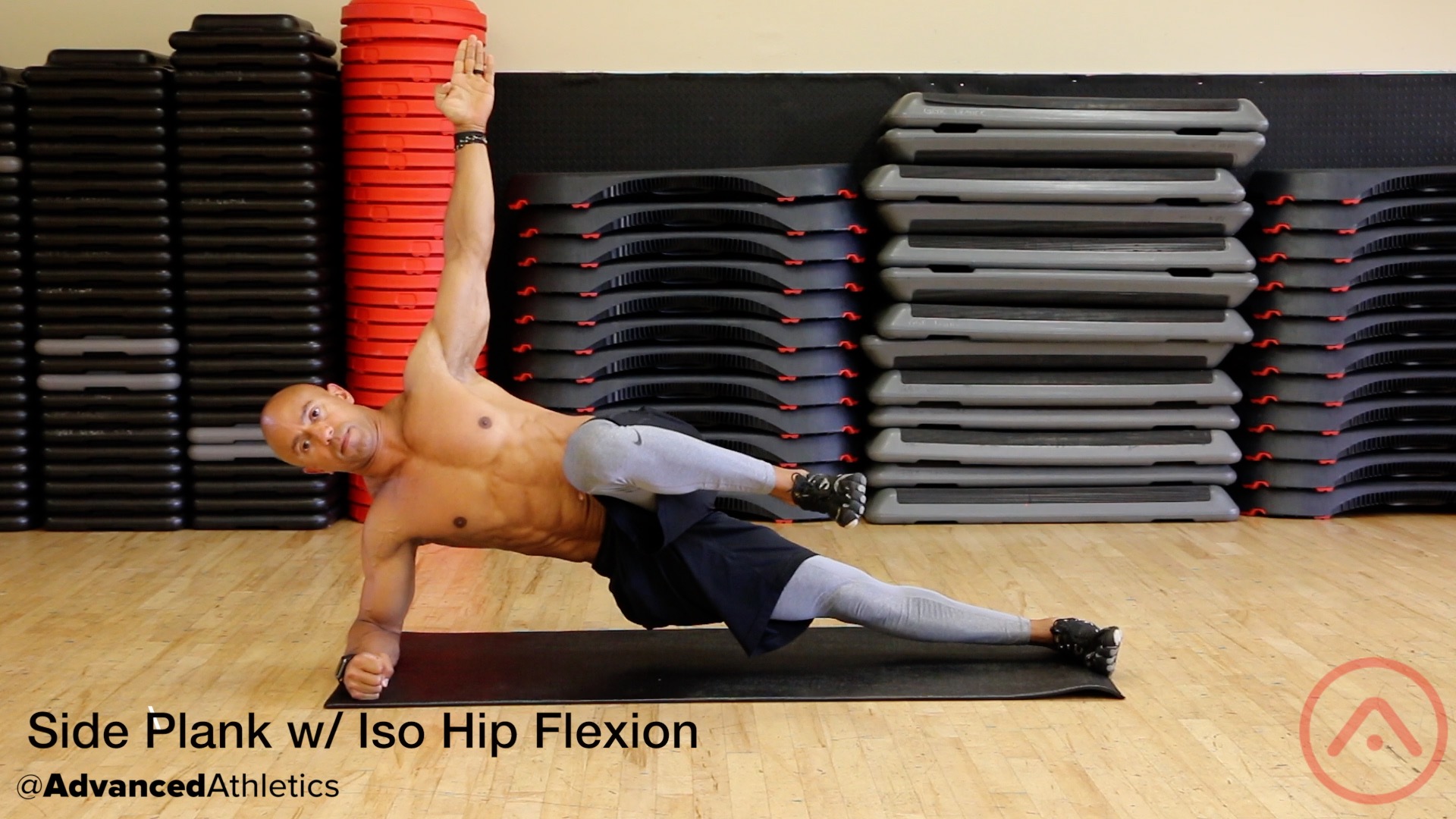
5 exercises to take control of your frontal plane motion
As an athlete, you must attack and take control of your frontal plane motion. This means your right and left (lateral) movement. Without this control you would fall to one side or the other when...

3 steps to retrain your breathing to handle stress
Do you find yourself panting or light headed right after doing a challenging exercise? If so, don’t rush to judgement in thinking that your cardiovascular conditioning is to blame. There’s a good chance that you’ve...
10 tips to beat soreness
Mohammad Ali said it best…“float like a butterfly and sting like a bee”. That is the ready state feeling of any athlete who looks to excel in their performance. …Ready for action. ...

5 risk factors that affect shoulder health and how to fix them
As an athlete, you want to have healthy shoulders. Yet a shoulder injury is, without question, the most common injury amongst athletes. And when it happens, the resulting shoulder pain is often debilitating and agonizing...
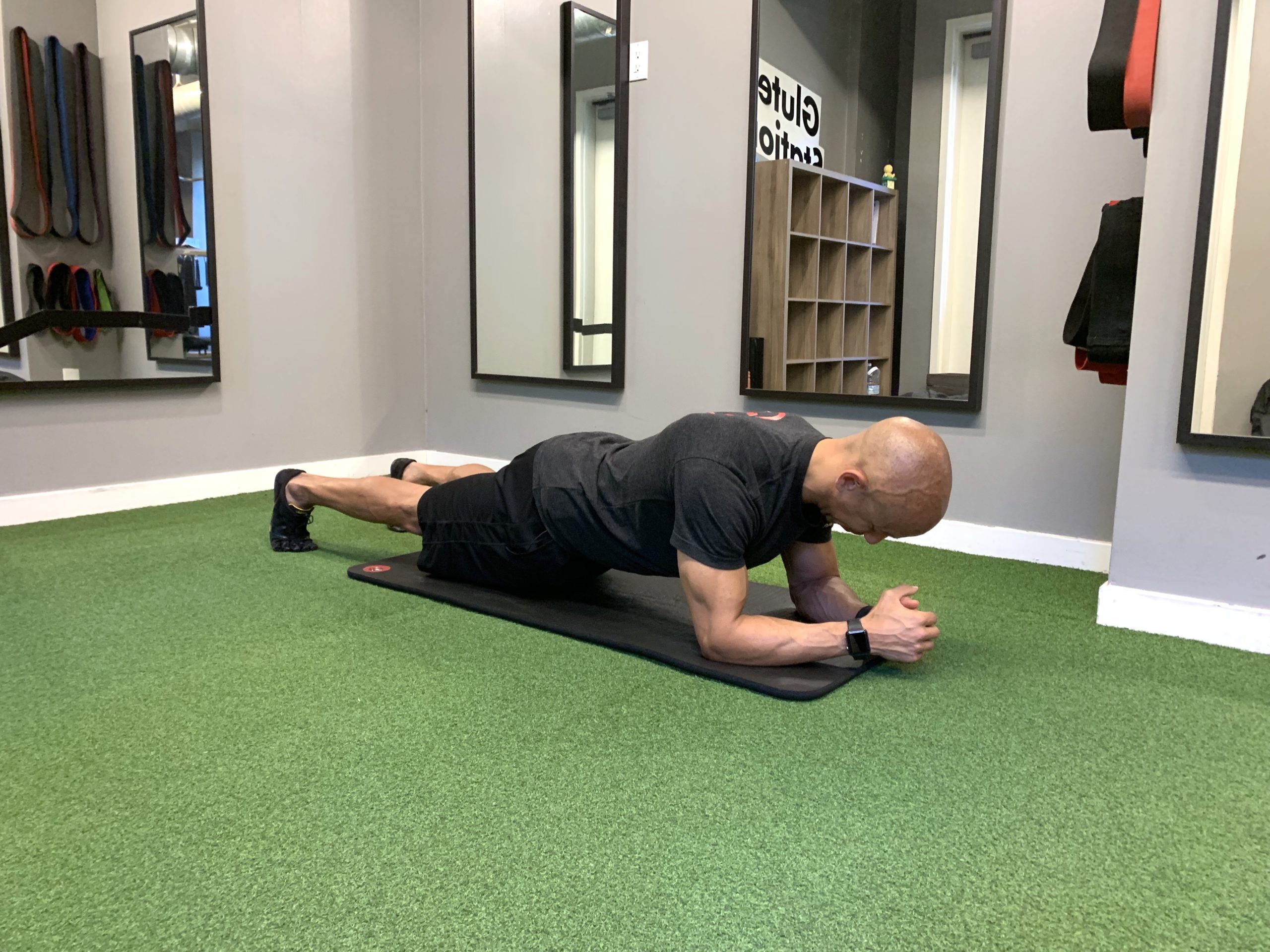
how long can you hold a plank?
How long can you hold a plank? In case you missed it, an athlete from Canada recently broke the world record. She held her plank for four hours and twenty minutes. Like me, you may...
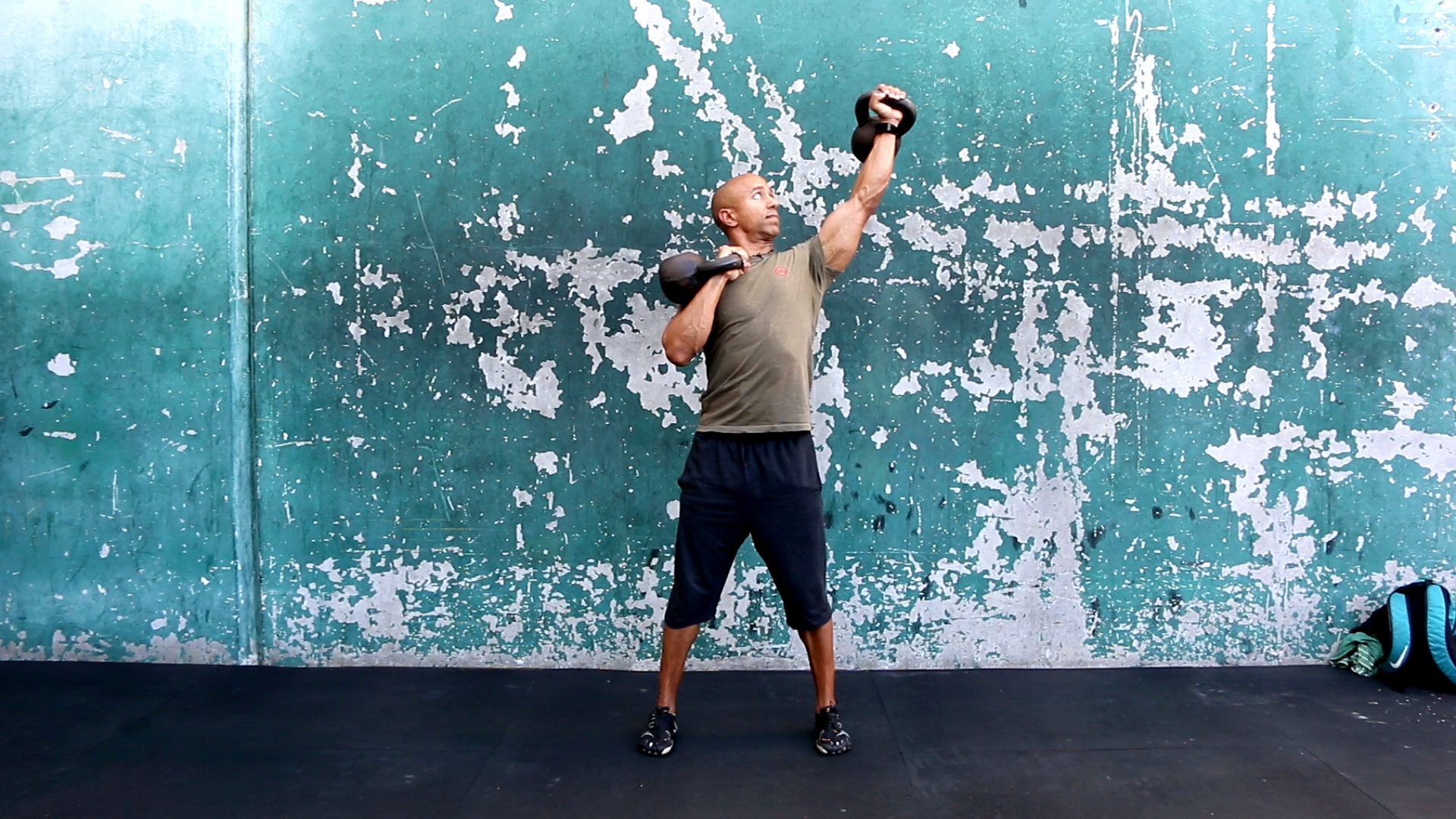
two stability fundamentals to improve your overhead press strength
There’s a quote I love to recite to my students when teaching fundamentals of strength for an overhead press. The quote is this: “you can’t fire a cannon out of a canoe”, by Charles Poloquin....

video: 8 reasons you shouldn’t skip your warm up
Are you jumping into your training without a proper warm up, or, even worse, no warm up at all? If so you are taking a huge gamble with your body’s health and safety! I wanted...
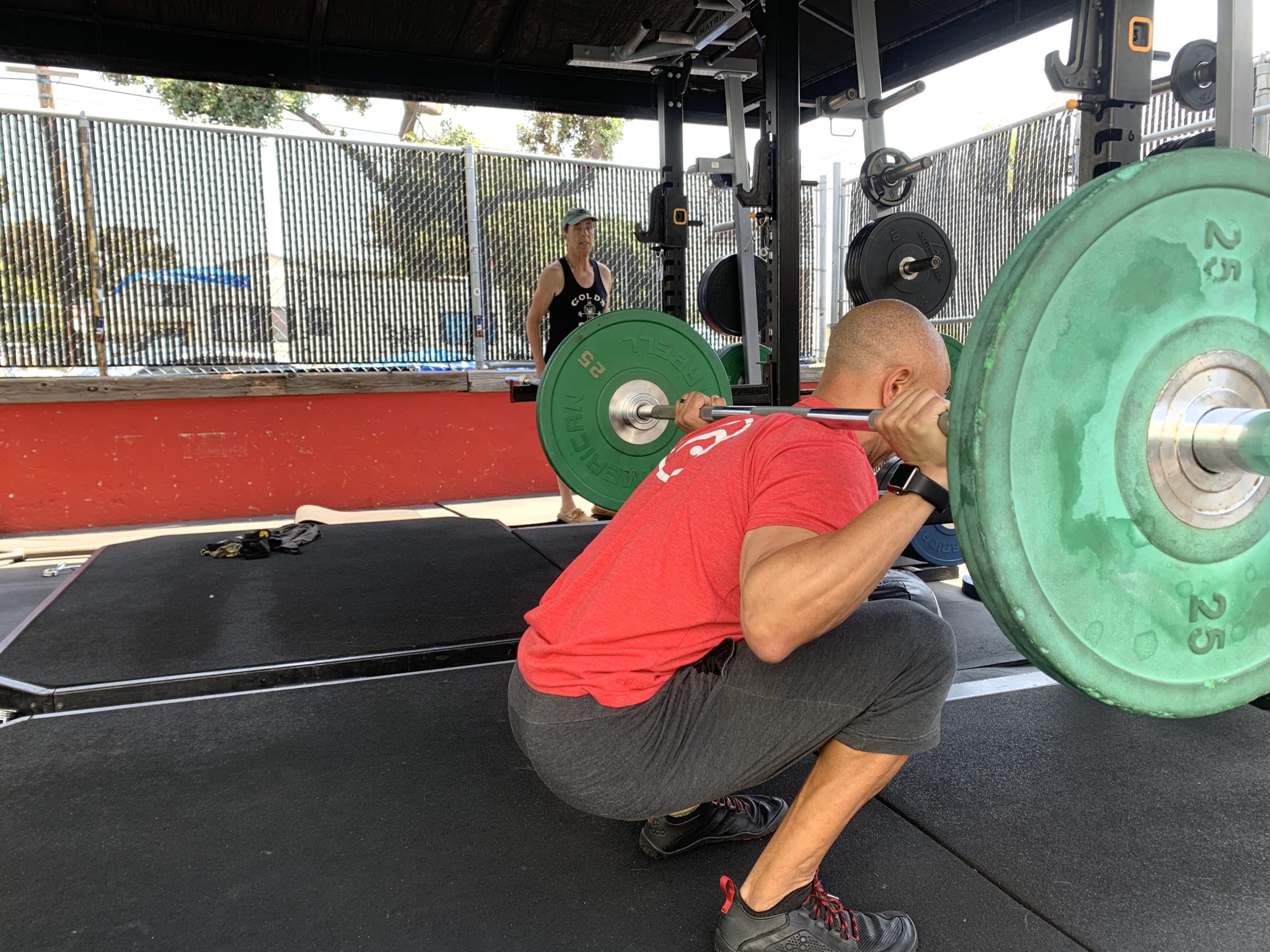
how low you should squat? 5 checkpoints you need to know
How low should you squat? Just because you can get low in a squat, doesn’t mean that you should. The squat is considered to be one of the best exercises to build total body strength...
video: half kneeling psoas stretch 1.0 with pillar press
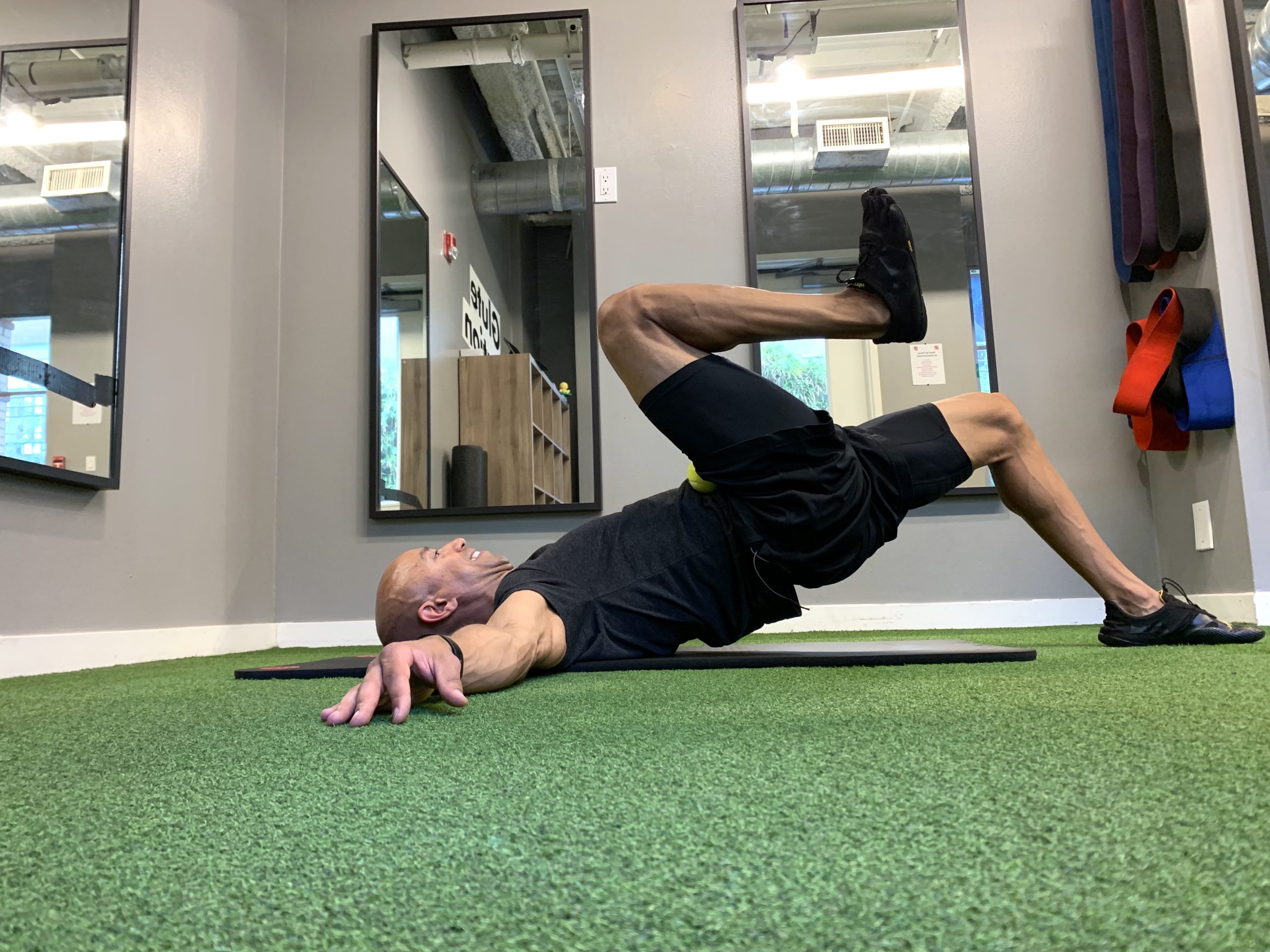
Hi athletes! Now that you’re up to speed on the 6 ways to focus your efforts when you stretch (if you missed it, I encourage you to take the time to go back and read),...
6 ways to focus your effort when you stretch
It takes the right amount of effort for you to create a positive change when you stretch. Because if you’re not giving the right level of focused effort, you could end up doing more harm...
the best way to keep track of time when you stretch
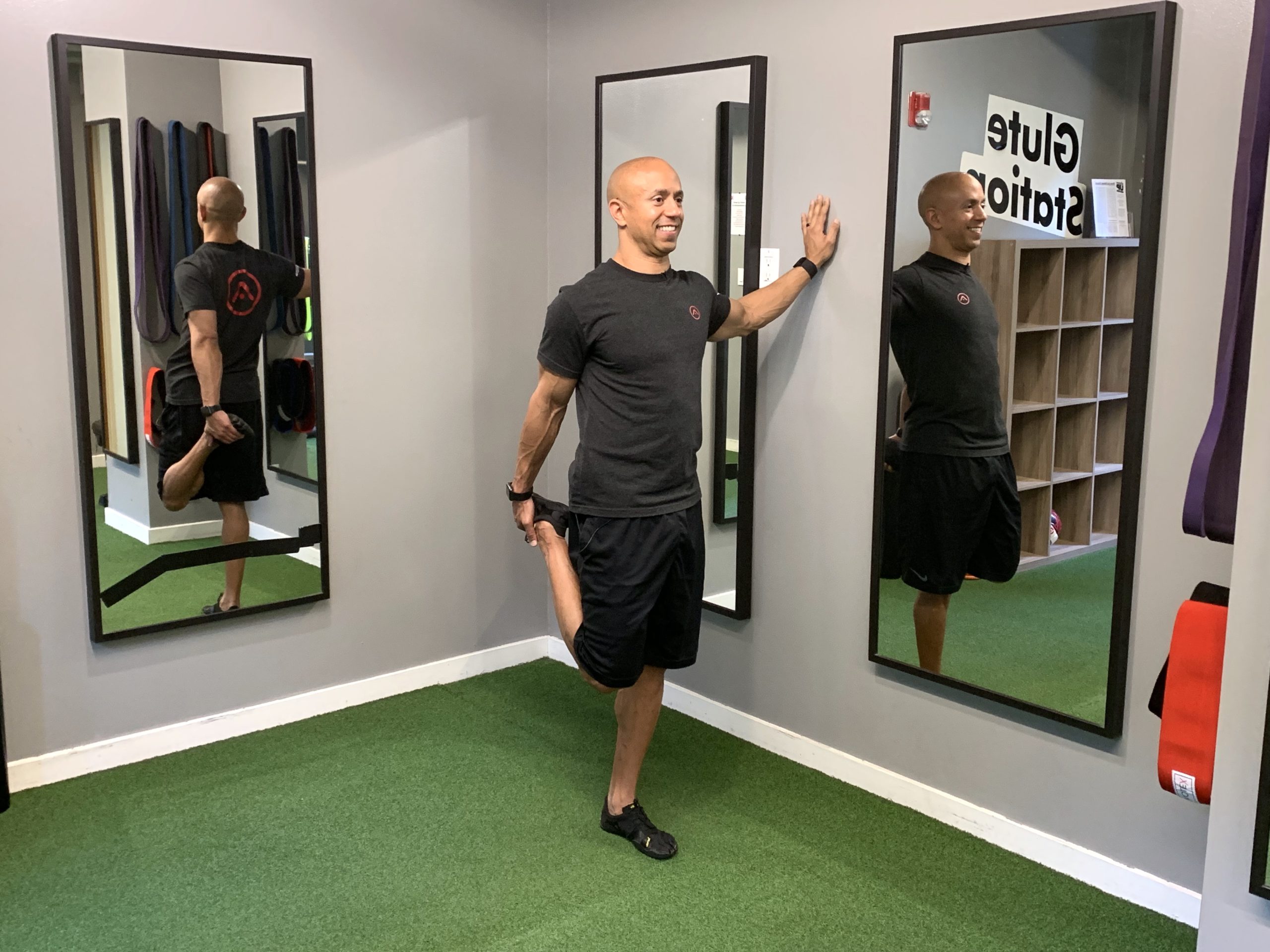
The length of time you hold any stretch has a major influence on how your muscles respond to improve your flexibility and mobility. But what is as, if not more, important than the duration of...
the number one mistake you make when you stretch
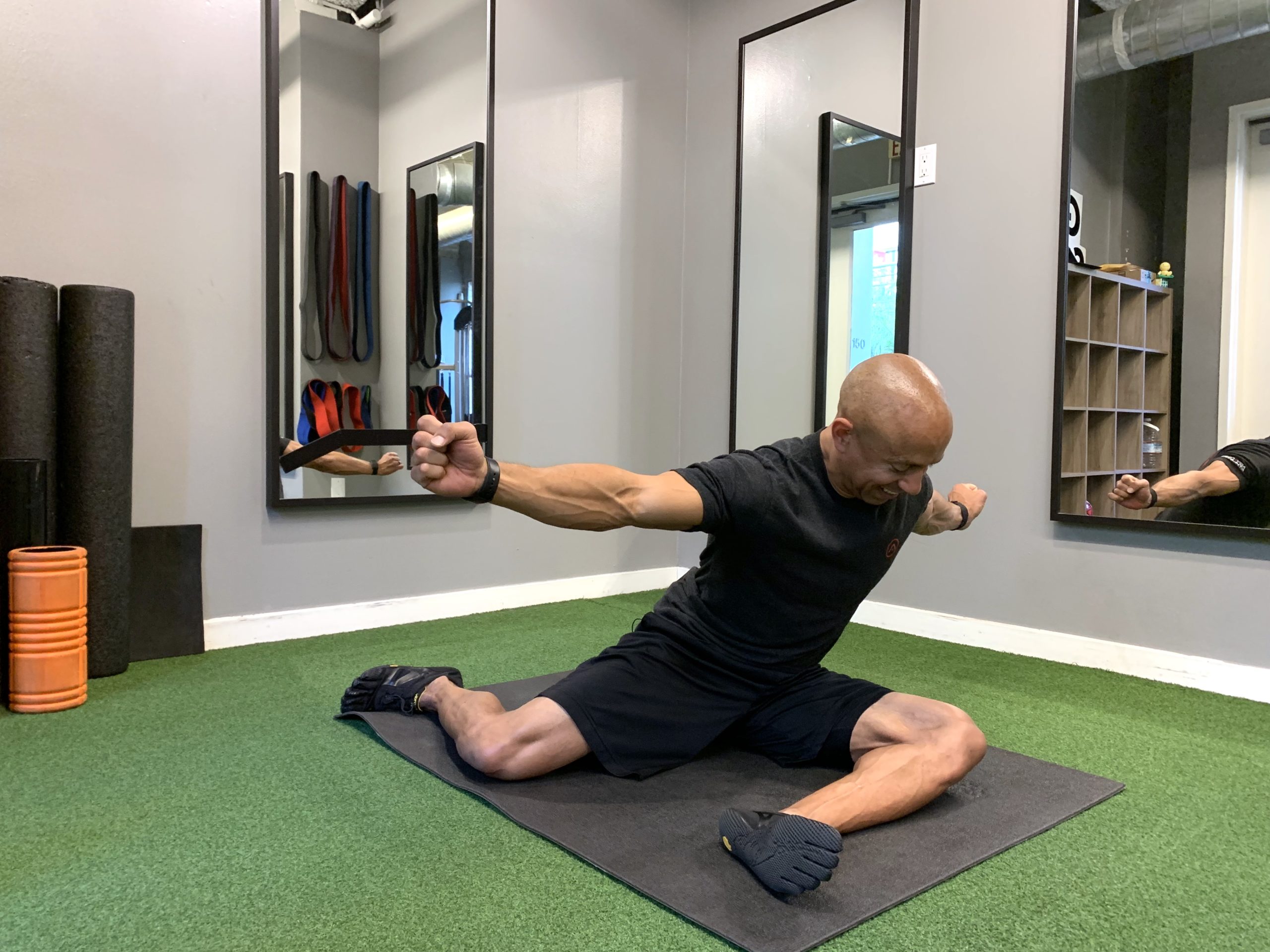
The goal for any isolated stretch you do should be to relax the target muscles and restore them to their optimal length. The goal is to promote the full range of motion of a target...
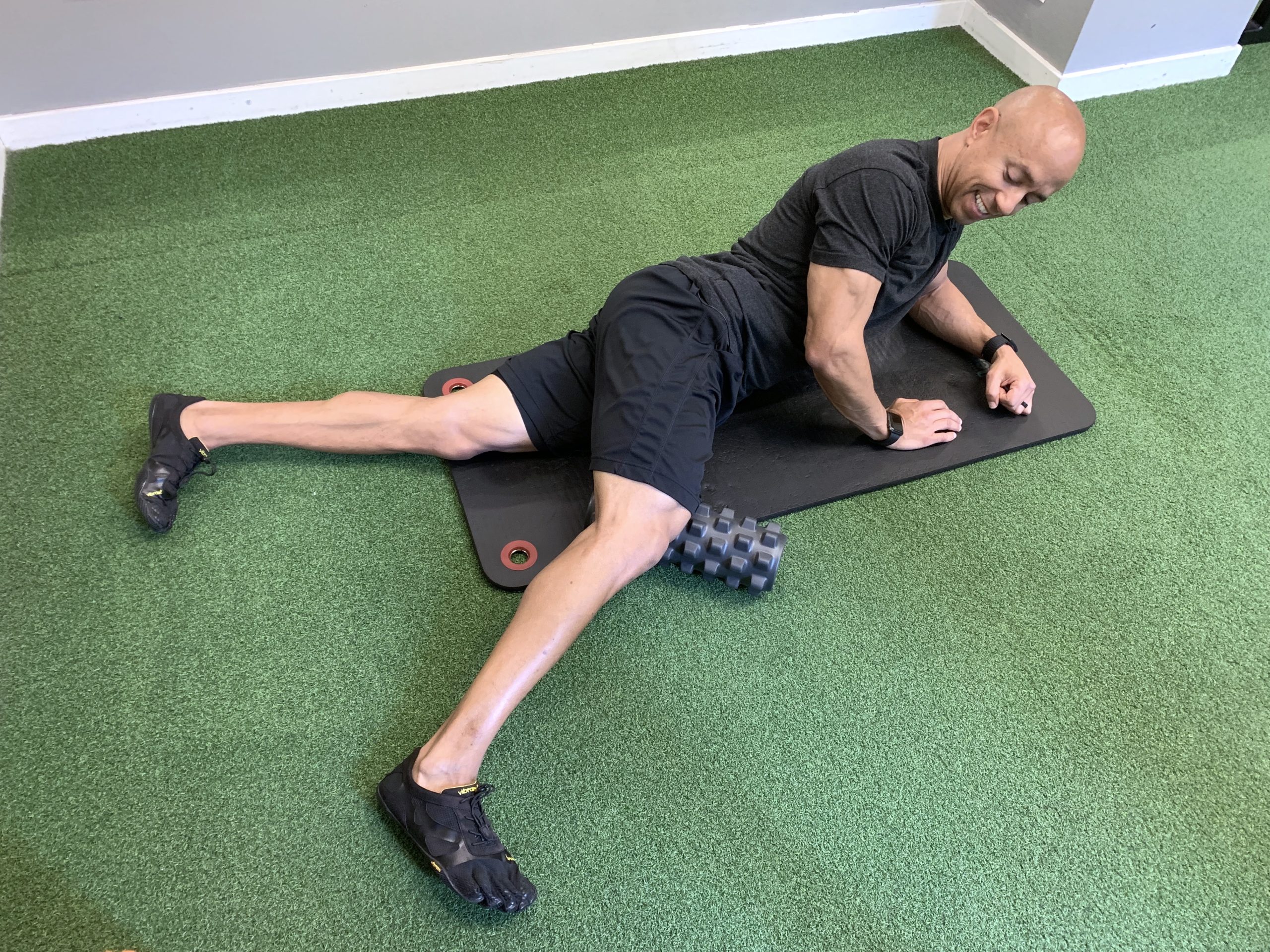
how to make a pre-workout warm-up worth your time
I get it. Your time is precious. And you don’t want to waste it doing a pointless warm-up. Don’t worry. I’m with you on that. So let’s cut to the chase. The one and only...
video: common mistakes 01 – bad form
Hey Athletes! Your coach Adam here with the first installment of my new Common Mistakes series – this one is dedicated to Bad Form. I’ll go over why form is so important, what you can...
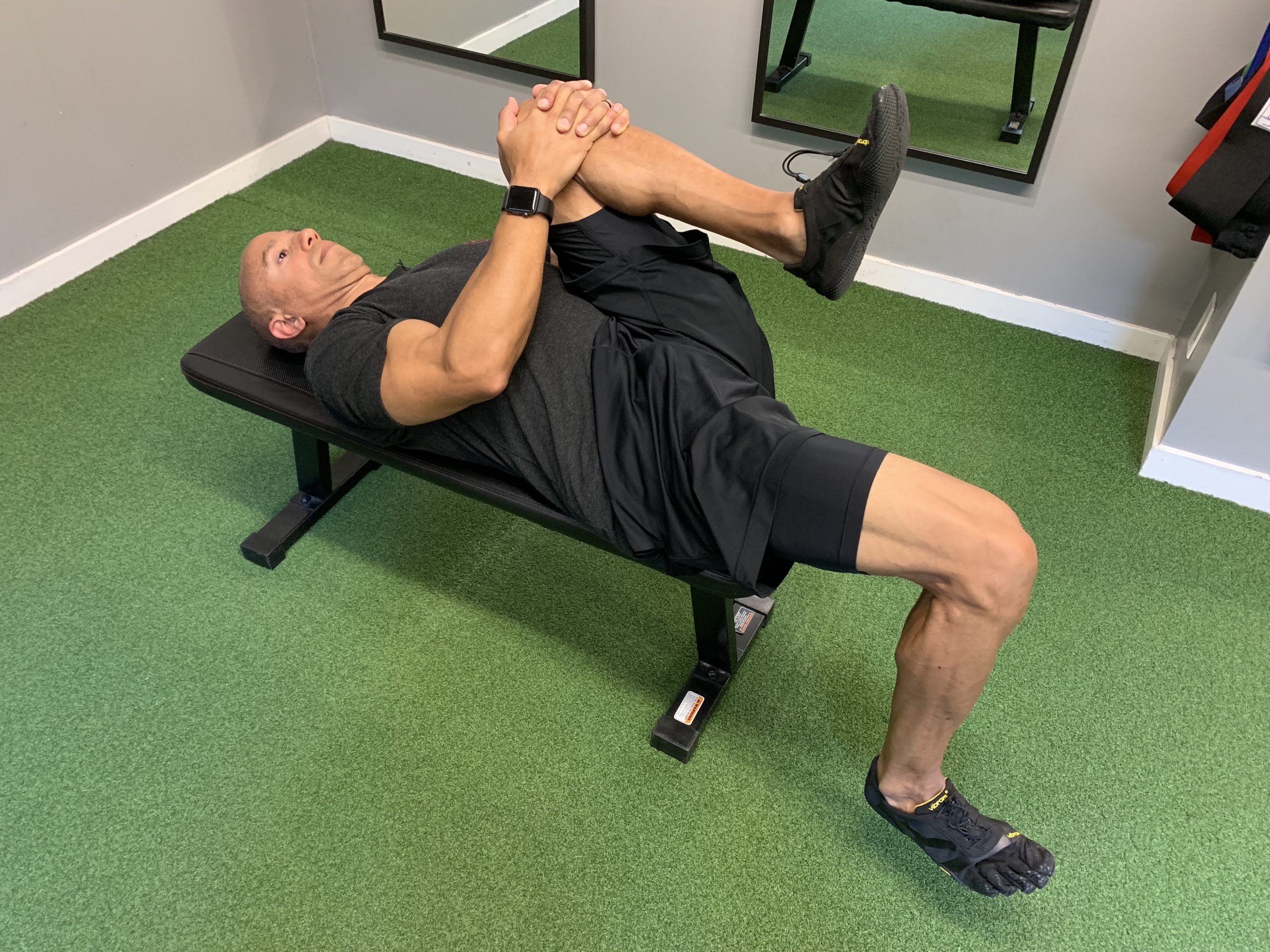
12 ways to get ahead of injury, and stay there
Proactive: taking action to produce a good result or avoid a problem, rather than waiting until there is a problem. Sit with that definition for a moment, and consider how it applies to your approach...
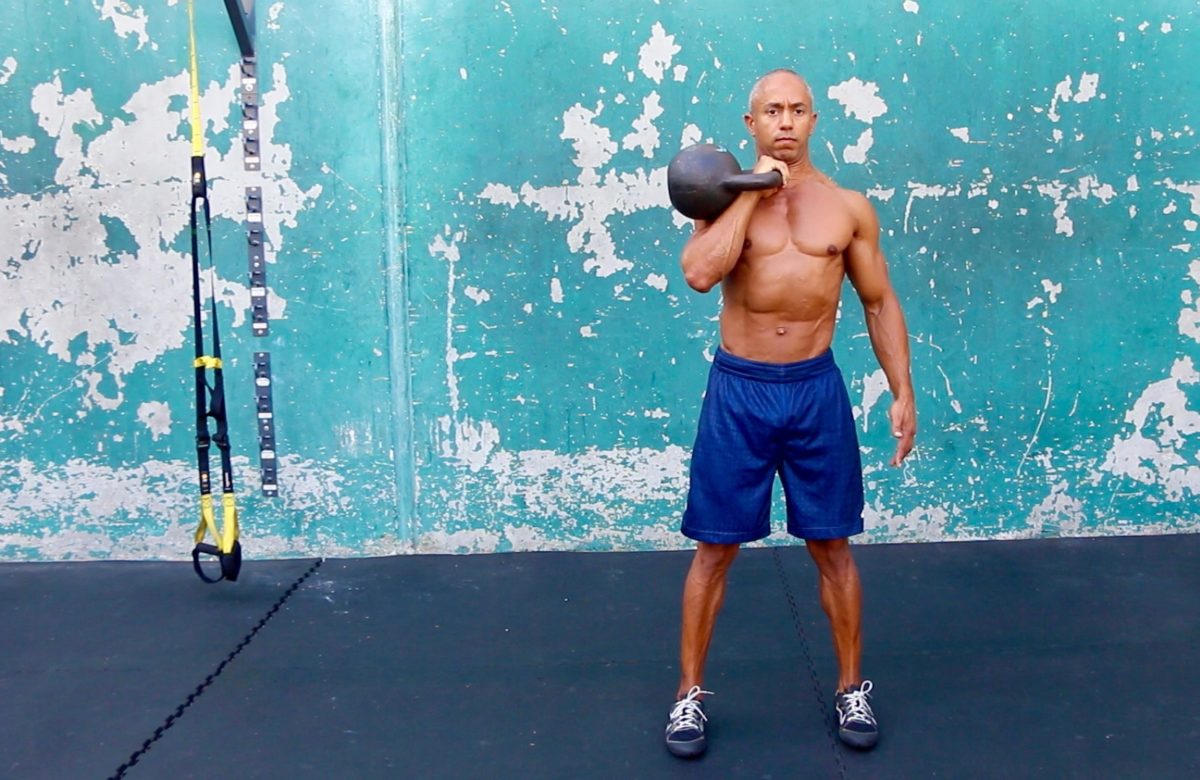
video: kettlebell basics – the 6 exercises to master
I’m here with my latest video to give you a basic overview of working out with kettlebells. I’ll go over some do’s and don’ts and demonstrate the 6 best basic kettlebell exercises that every beginner...
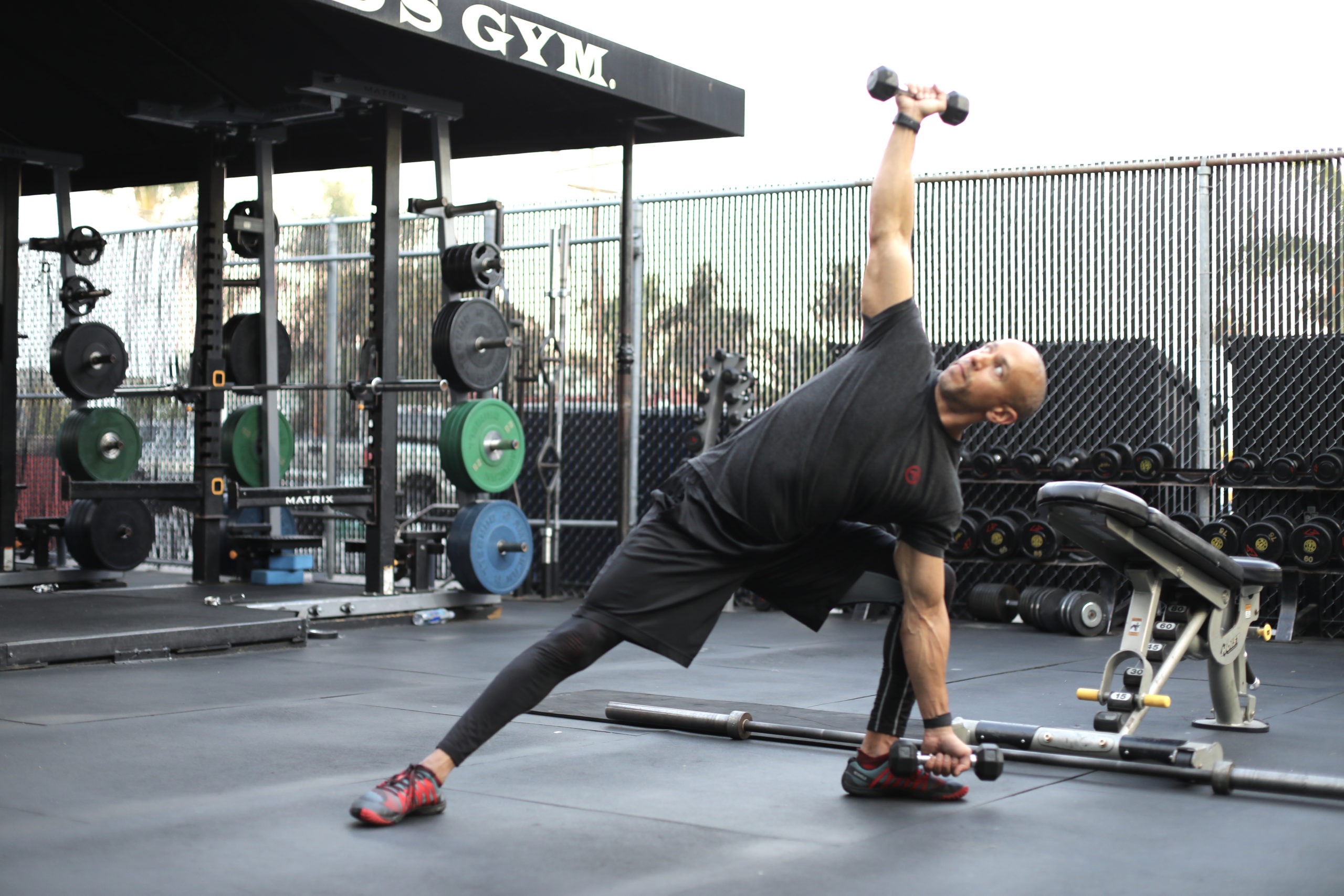
the missing x-factor for most athletes: search and rescue mobility (sarm)
Since 1996, I’ve worked one-on-one with professional and Olympic athletes across disciplines. As a sports performance coach, the experience allowed me to grow further in my craft than I could have ever imagined. Over this...
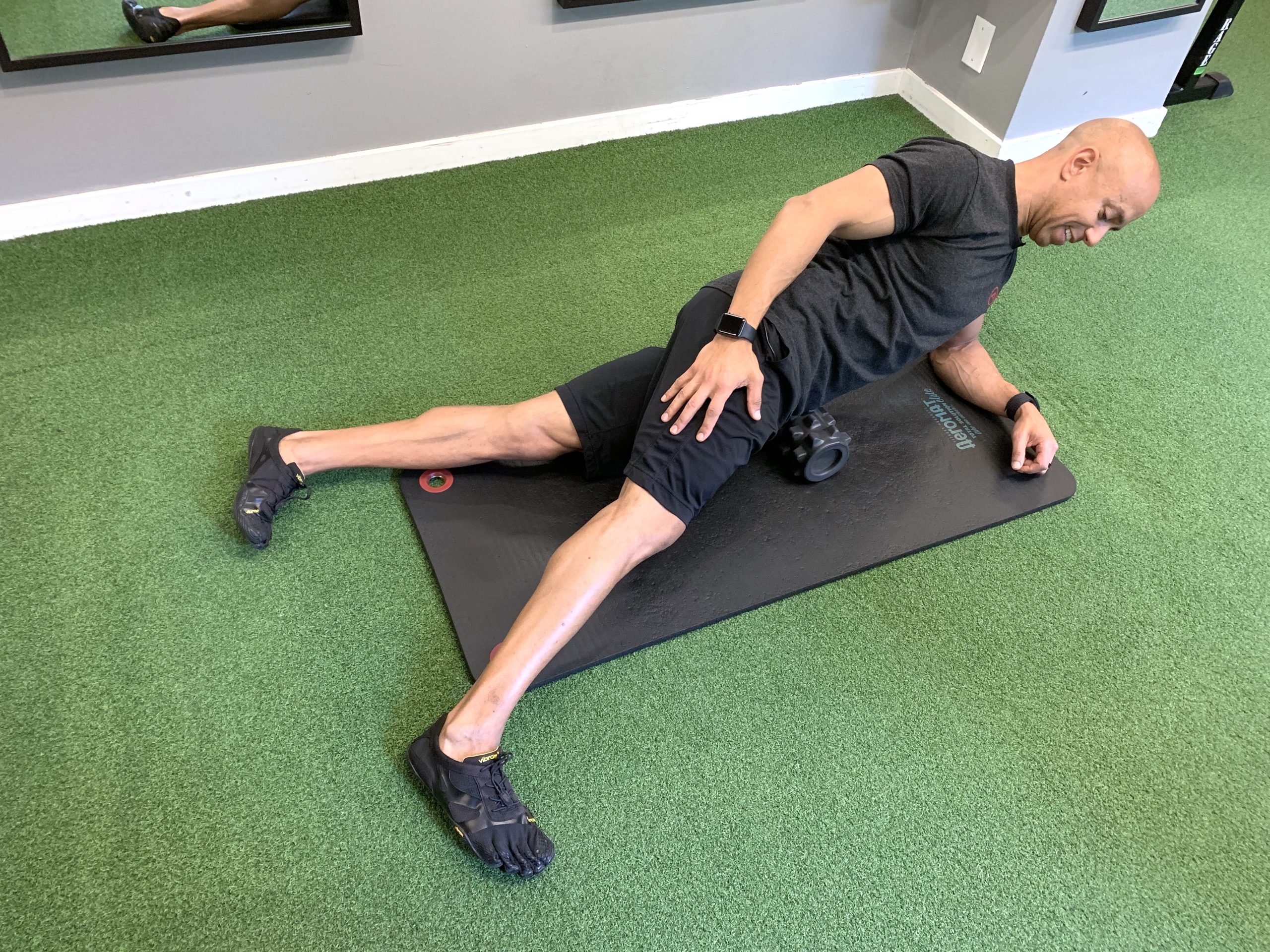
4 ways to relieve lingering muscle tension
Have you ever noticed that after you finish training, the muscles you worked feel ‘tight’ for a few minutes? This tightness happens because there is residual blood volume that’s pumped into your working muscles. The...
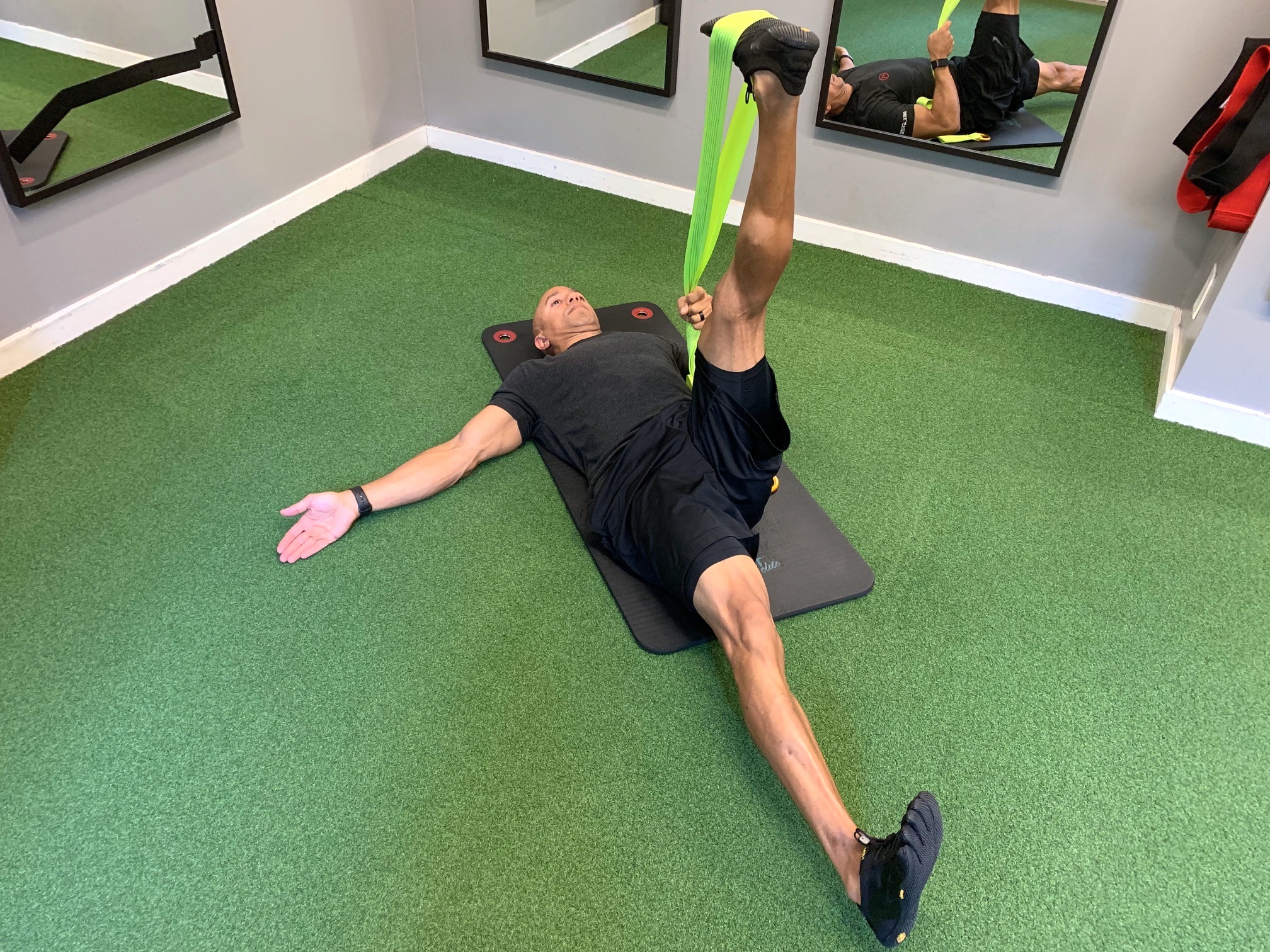
your opposing muscles: how you’re losing the game of tug-of-war
A hallmark of any high-level athlete is their capacity to perform with fluidity of motion in their chosen sport. These athletes exemplify outstanding: Strength Explosiveness Body control (i.e. grace) Appearance of effortlessness It’s what you...
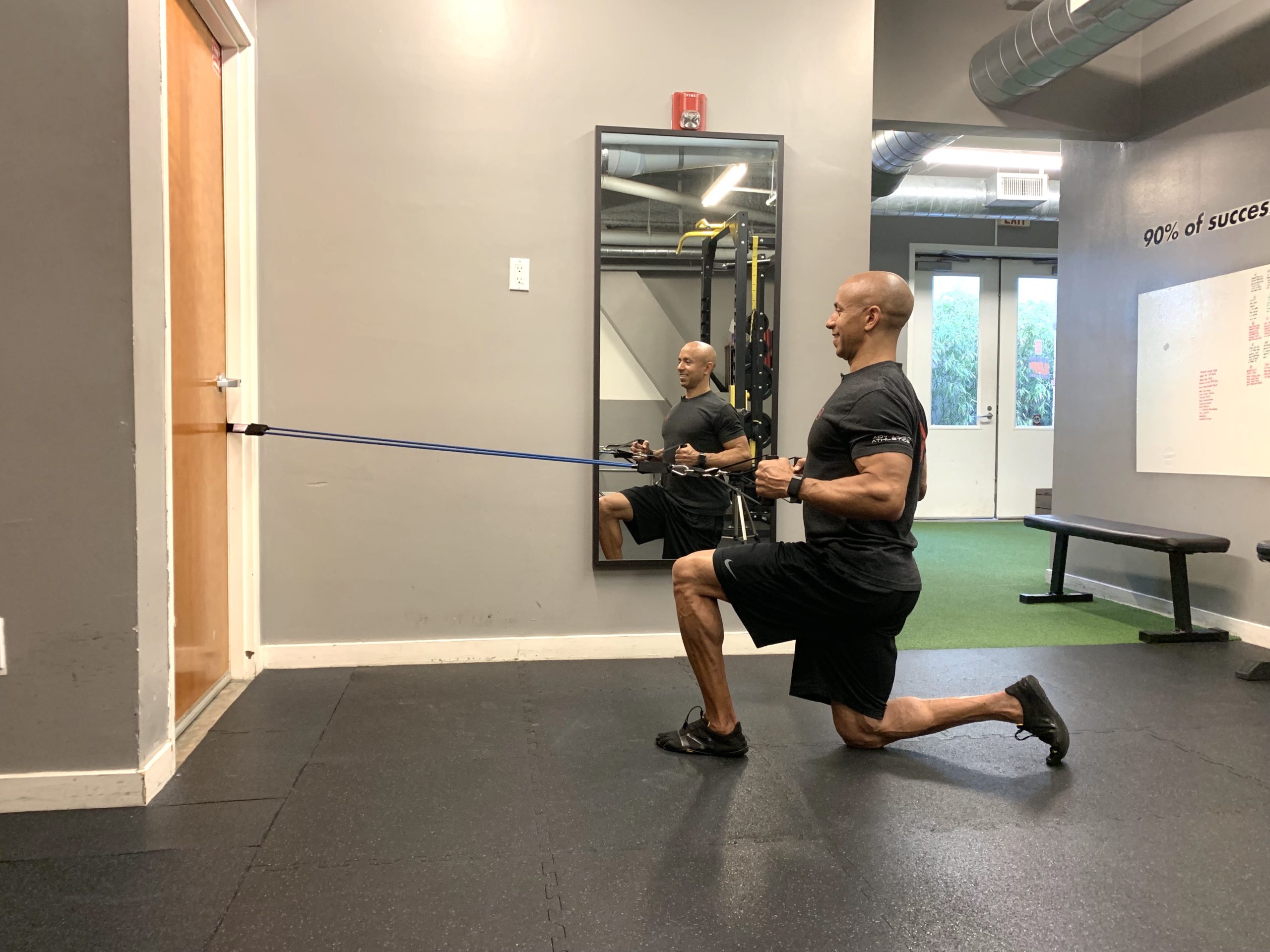
6 steps to correct your physical asymmetries
Asymmetry – “a lack of equality or equivalence between parts or aspects of something; lack of symmetry.” As an athlete, the chances are high that you have an asymmetry, or two or three, somewhere in...
part ii – how your joints play a game of hide-n-seek & how to win
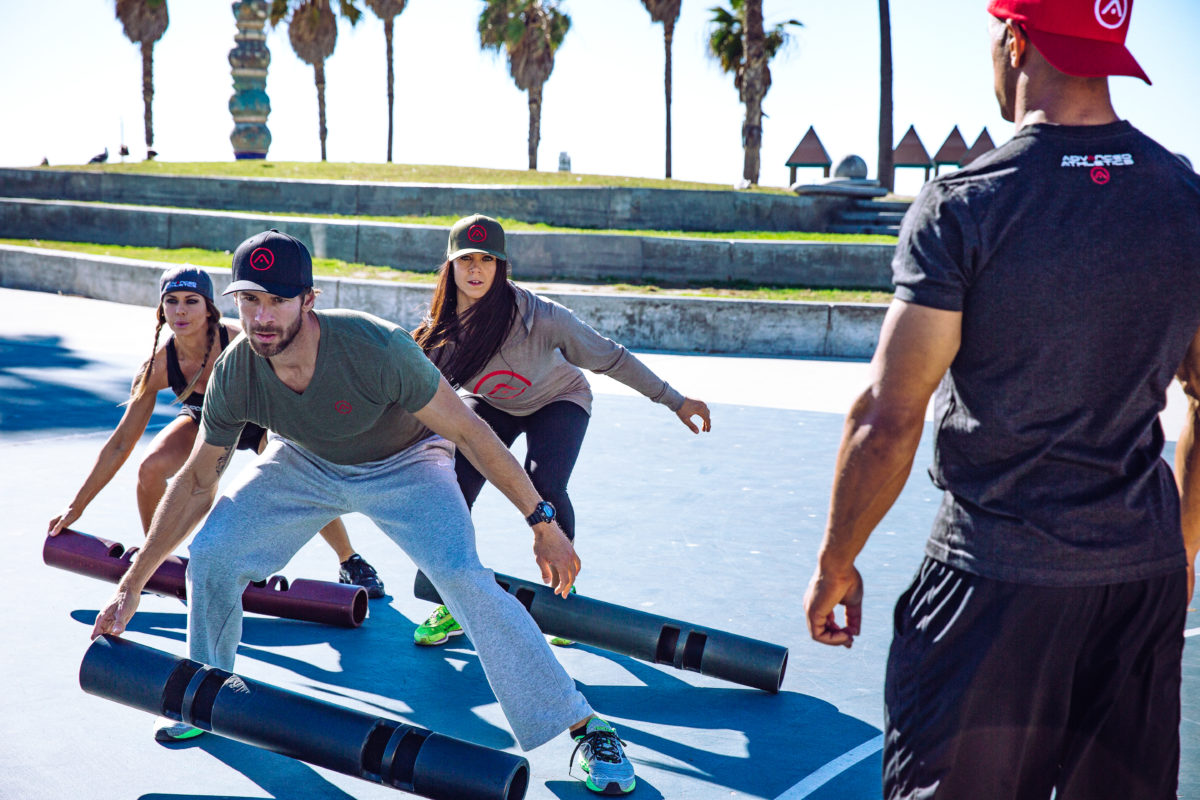
Last week, I introduced you to the idea that your underused, dysfunctional joints may very well be playing hide-n-seek with you. If you missed it, click here. We covered joint dissociation (the ability to stabilize...
how your joints play a game of hide-n-seek & how to win
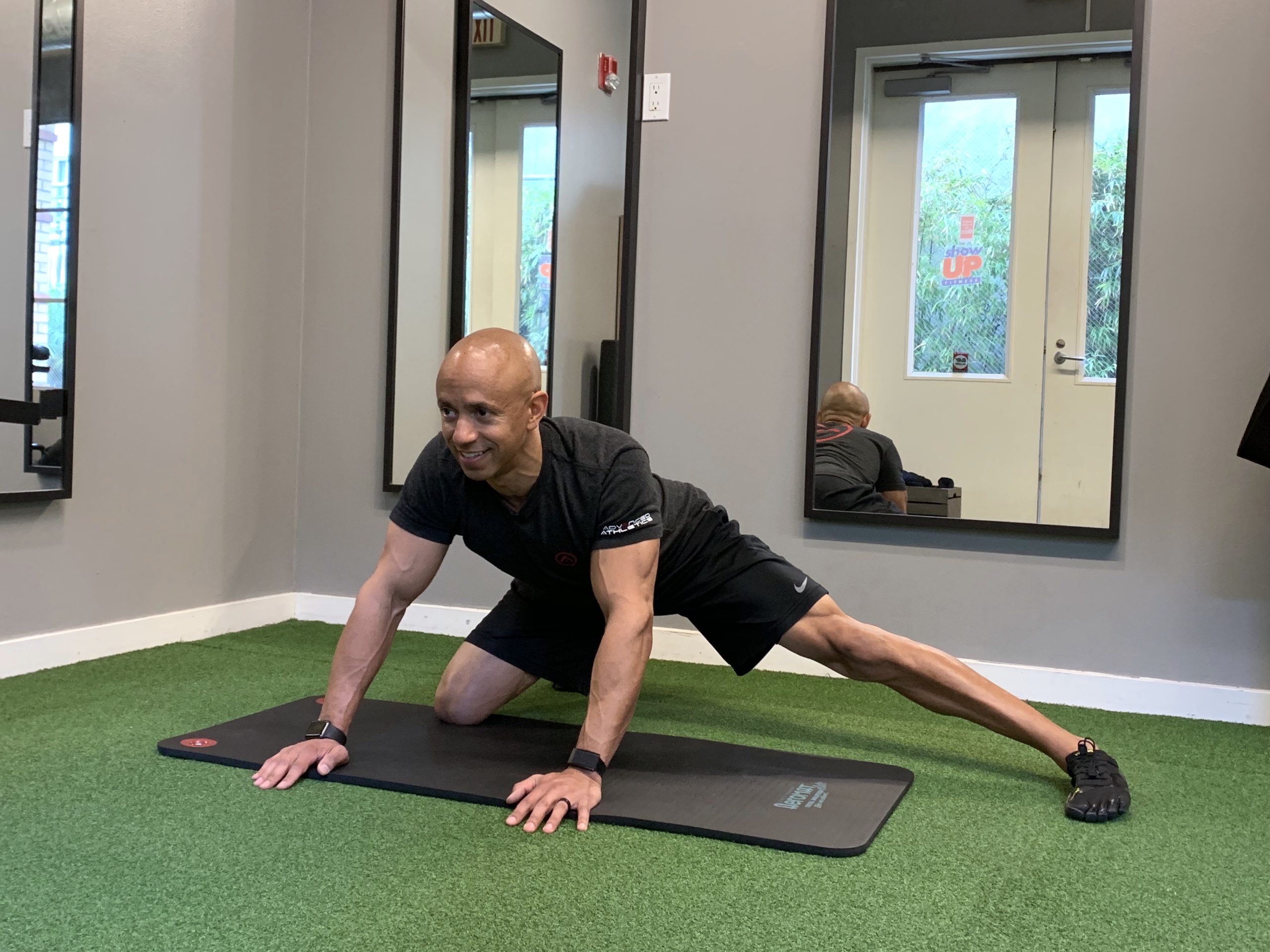
Without a doubt, hide-n-seek is the most popular children’s game…ever! Why? Because we all love attention. And the game is a fun way to give it and receive it. It’s a WIN-WIN! But the game...

the 7 fundamental movements & 7 steps to prevent losing them
Compensation – “something that counterbalances or makes up for an undesirable or unwelcome state of affairs.” In this case, in your body. Unaddressed compensations are one of the leading causes of injury in most athletes....
why you need to work on your single-leg balance
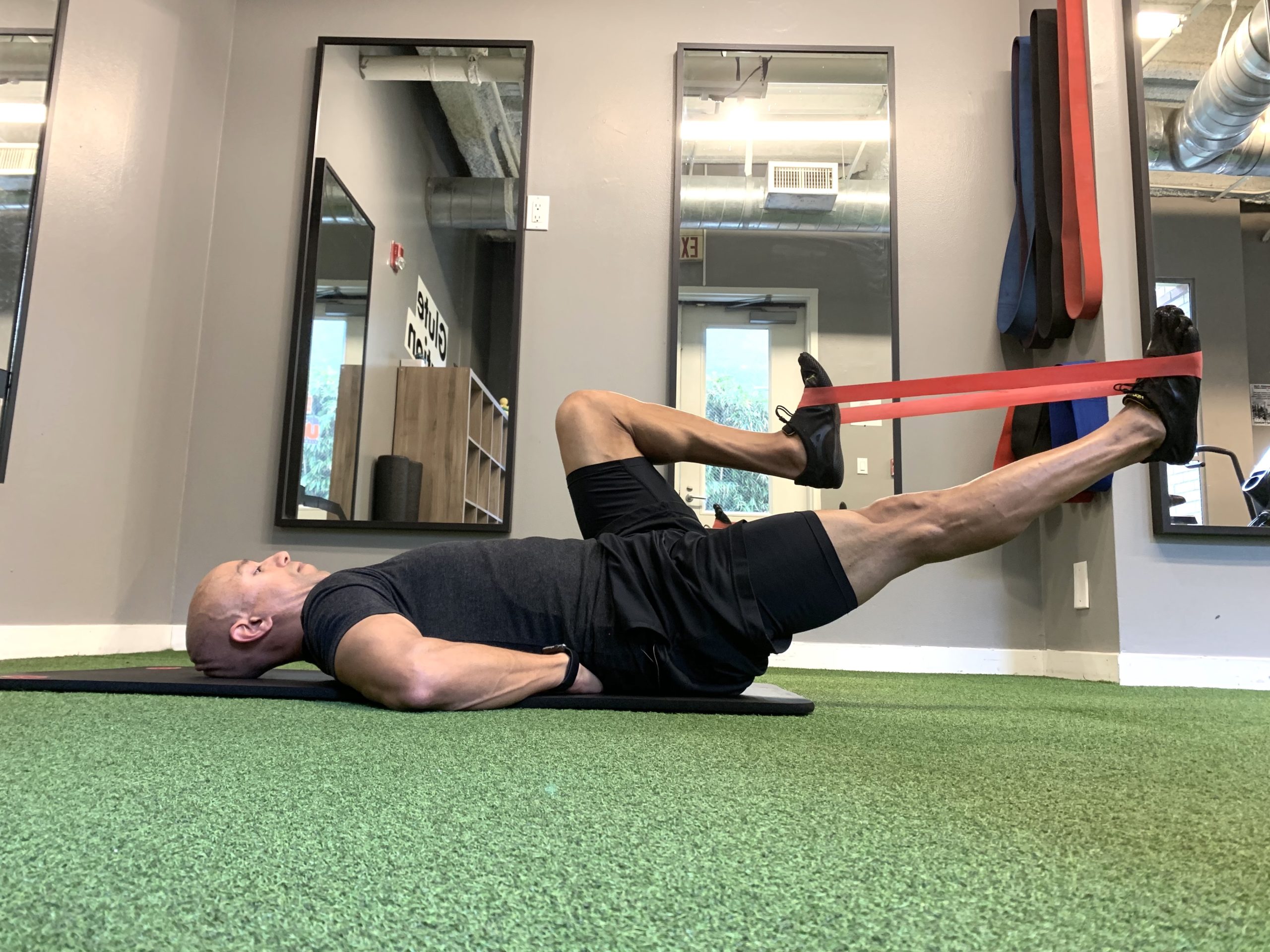
Your single-leg balance (SLB) is essential to your performance in sports and in your everyday activity. Unfortunately, it’s often overlooked and undertrained by most athletes. So it’s easy to miss all they ways your body...
6 signs you may be on your way to lower back pain
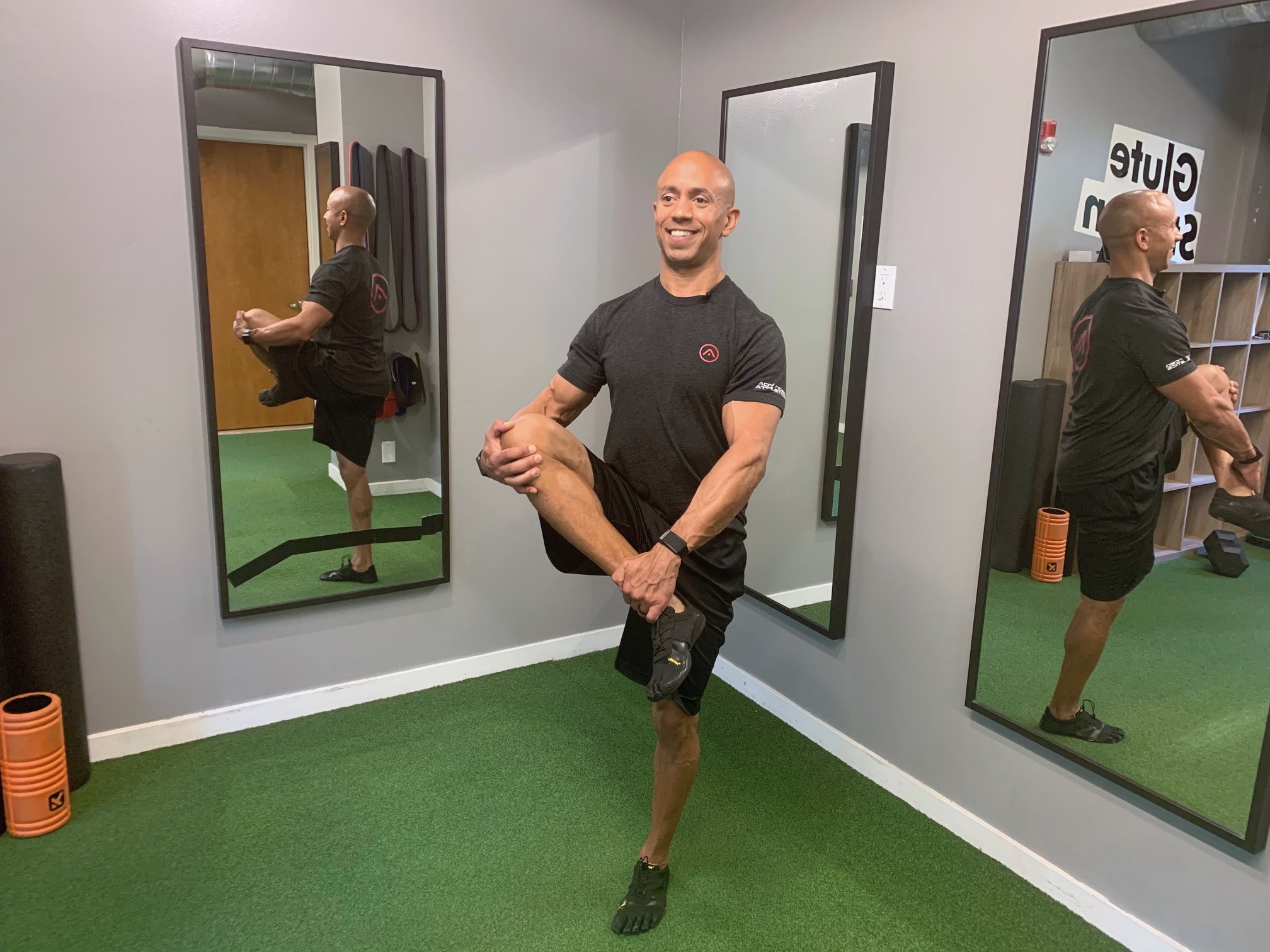
Whenever you experience any degree of lower back pain (LBP), it means that your body is in a state of dysfunction. Your pain is there to wake you up to this fact. And it is...
5 action steps to overcome lower back pain now
If you’ve ever battled with lower back pain, then you’re familiar with the “prison” it can feel like. The debilitating impact on your physical, emotional, and spiritual wellbeing seems inescapable. Lower back pain (LBP) is...
the right training frequency for you: part 2
There are nine factors to consider to best estimate the number of days per week you should train. In my last article, I shared the complete list with you and expanded on the first five....
the right training frequency for you: part 1
The start of the new year means you have a new opportunity for you to improve your health and fitness. All of the possibilities for living a higher quality of life and performing your best...

3 rules to determine your training frequency
To improve any fitness quality (for example building muscle, strength, or speed), you need to have the right training frequency. Because the number of days you work out, per week or per month, has a...

what to measure before you begin your 2019 fitness program
The first thing you need to do before starting your 2019 fitness program is measure your baseline. Your baseline is the current state of your key performance indicators (KPI’s) — the quantitative and qualitative results...

how to select the right exercises to reach your 2019 fitness goals
If you haven’t already started, now’s the time to plan your 2019 training program. One that supports your individual needs and goals. So you can feel good, perform at your best, and be competitive. A...

the training method that’s proven to work
As an athlete, the goal of your training should almost always be to create the maximum impact on your strength and power. That’s because these two qualities are crucial to improving your performance in sports....
9 workout variables to change up your routine
Lately, I’ve been feeling a little worn out. And to be honest, bored and unmotivated. Come to think of it, I’ve also hit a plateau in my training performance. And have had no positive change...
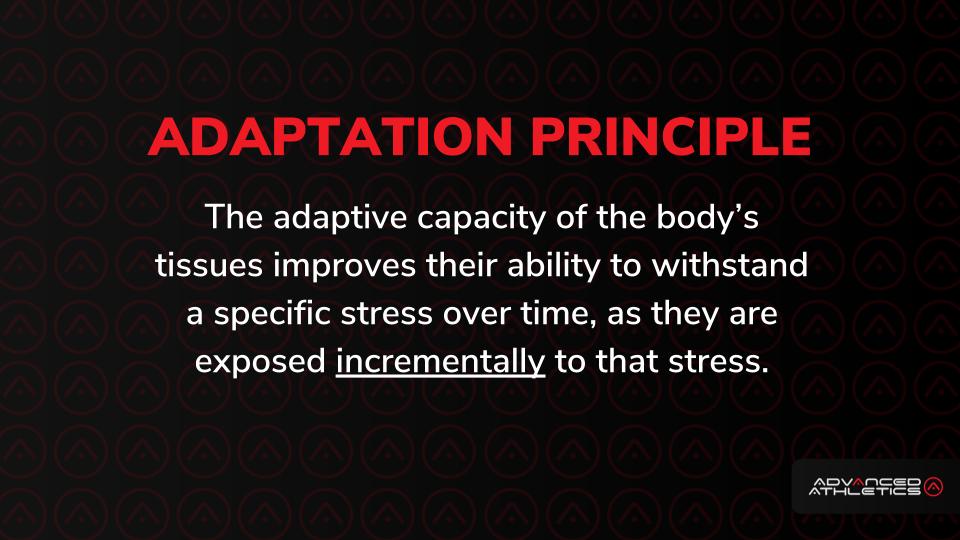
progress – how to train to be an all-around athlete
There’s a way for you to “train right” to make continuous progress to becoming an all-around athlete. And your biggest obstacle may be that “you don’t know what you don’t know.” For example, when it’s...
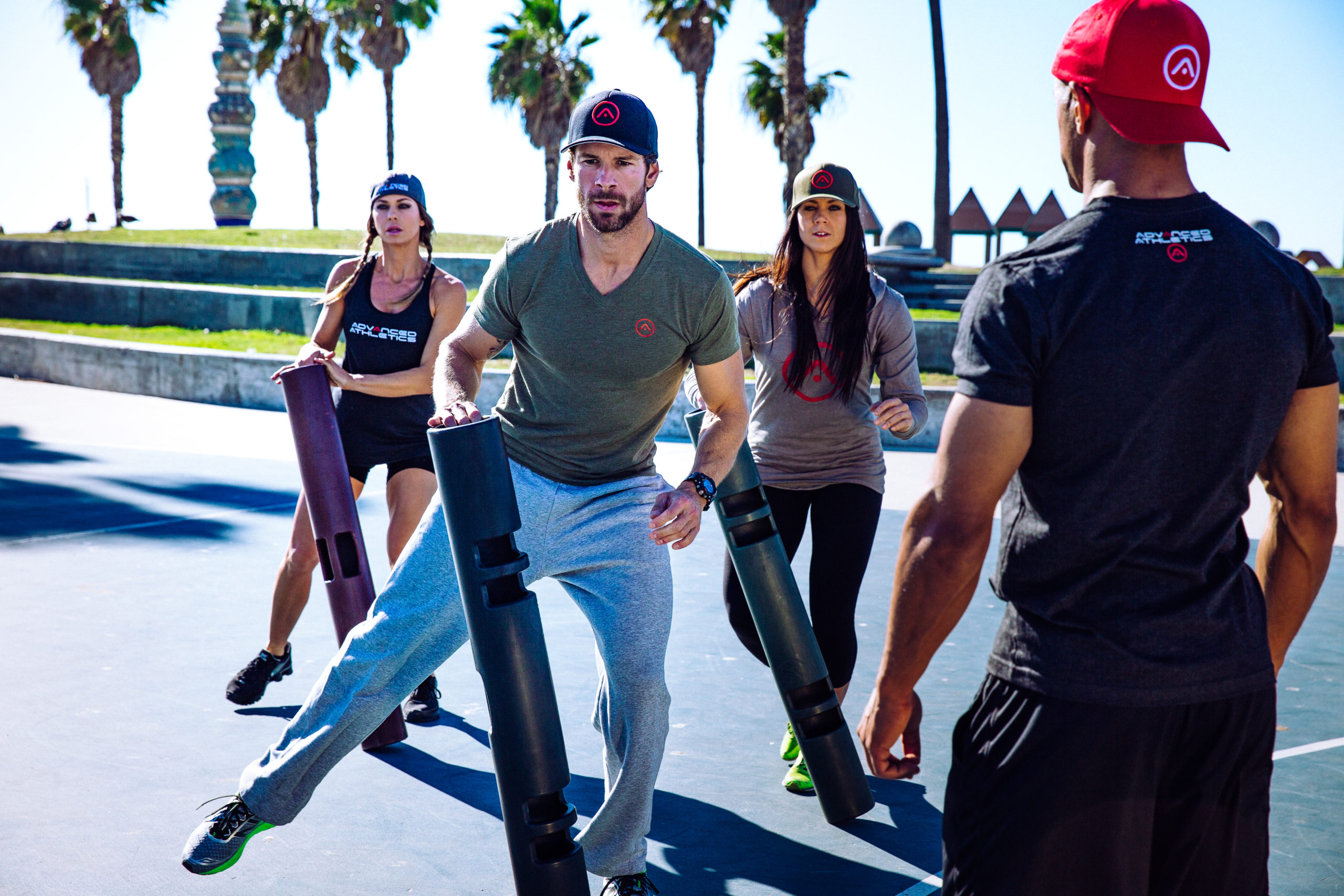
part 2: how often and why you should change your workout routine
Any decision to change your workout should come from having a broad perspective of all the factors that affect it and your desired outcome. Too often, I see athletes who miss key elements and end...
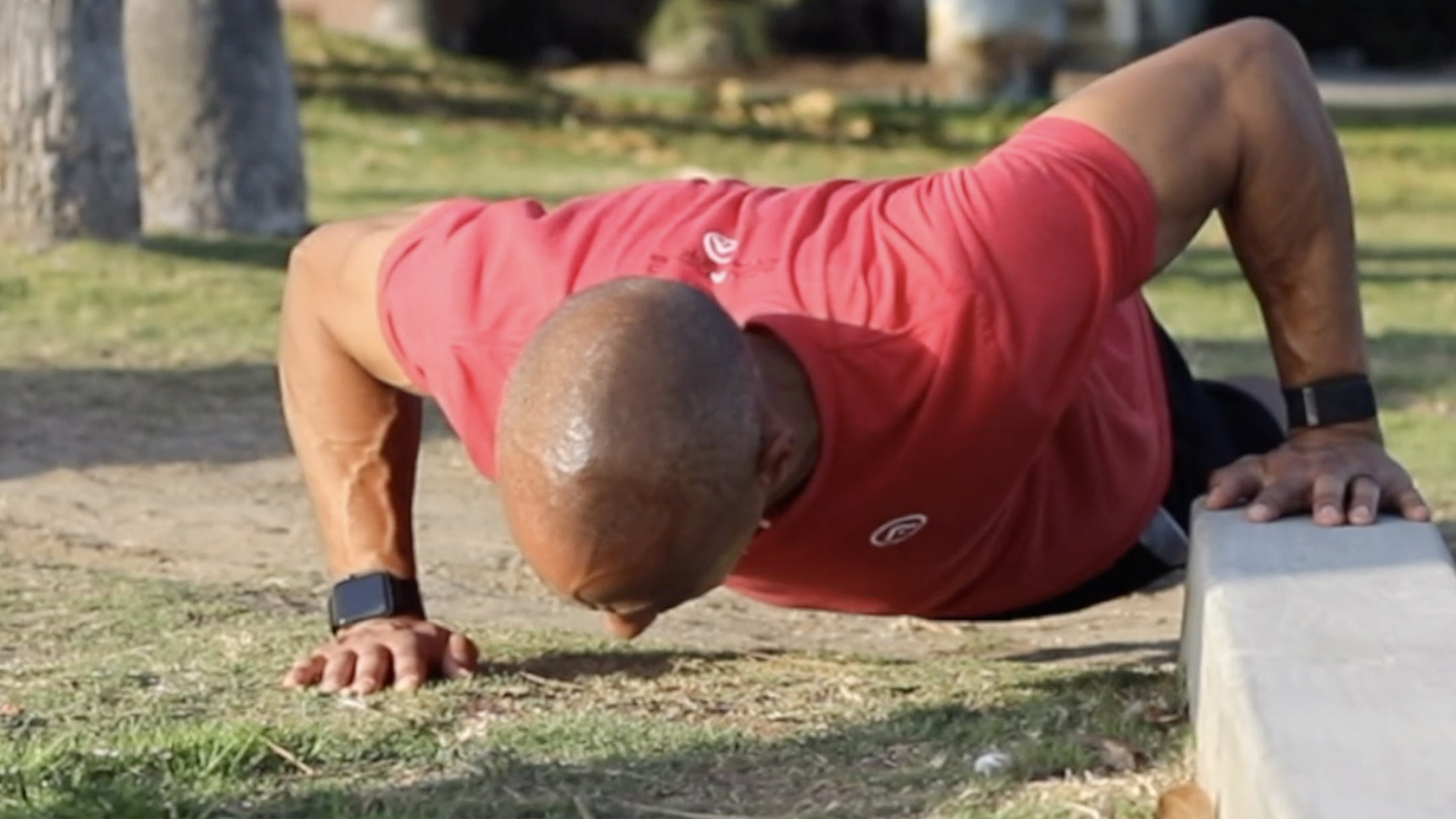
how often and why you should change your workout routine
When was the last time you made a change to your exercise routine? And why did you choose to make that change at that time? By change, I mean having a planned variation of programming...
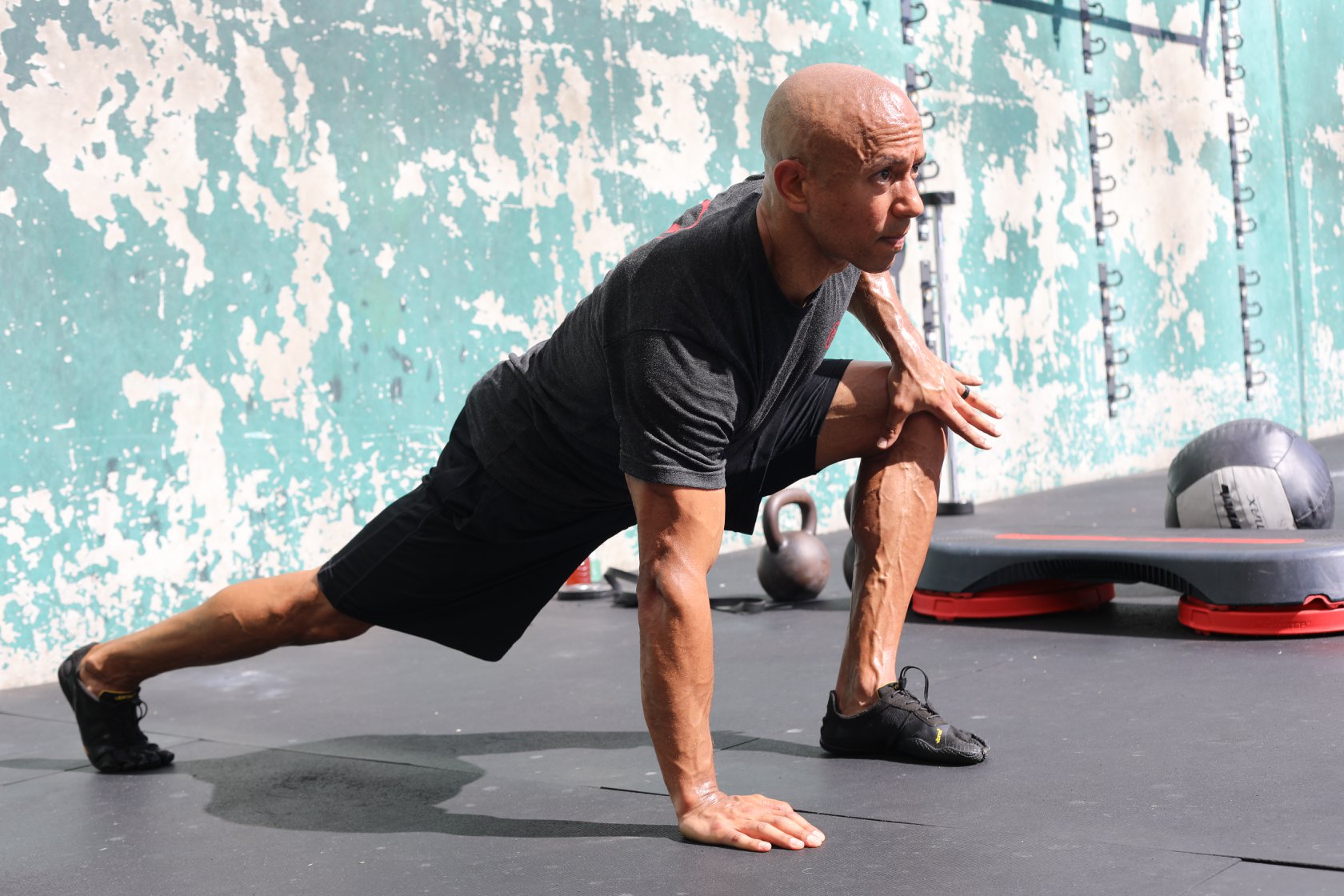
stop trying to relive your athletic youth – 5 steps to move you forward
Have you ever found yourself thinking, if I could go back in time to when I was in high school, knowing what I know now … (fill in the blank with what you would’ve done...
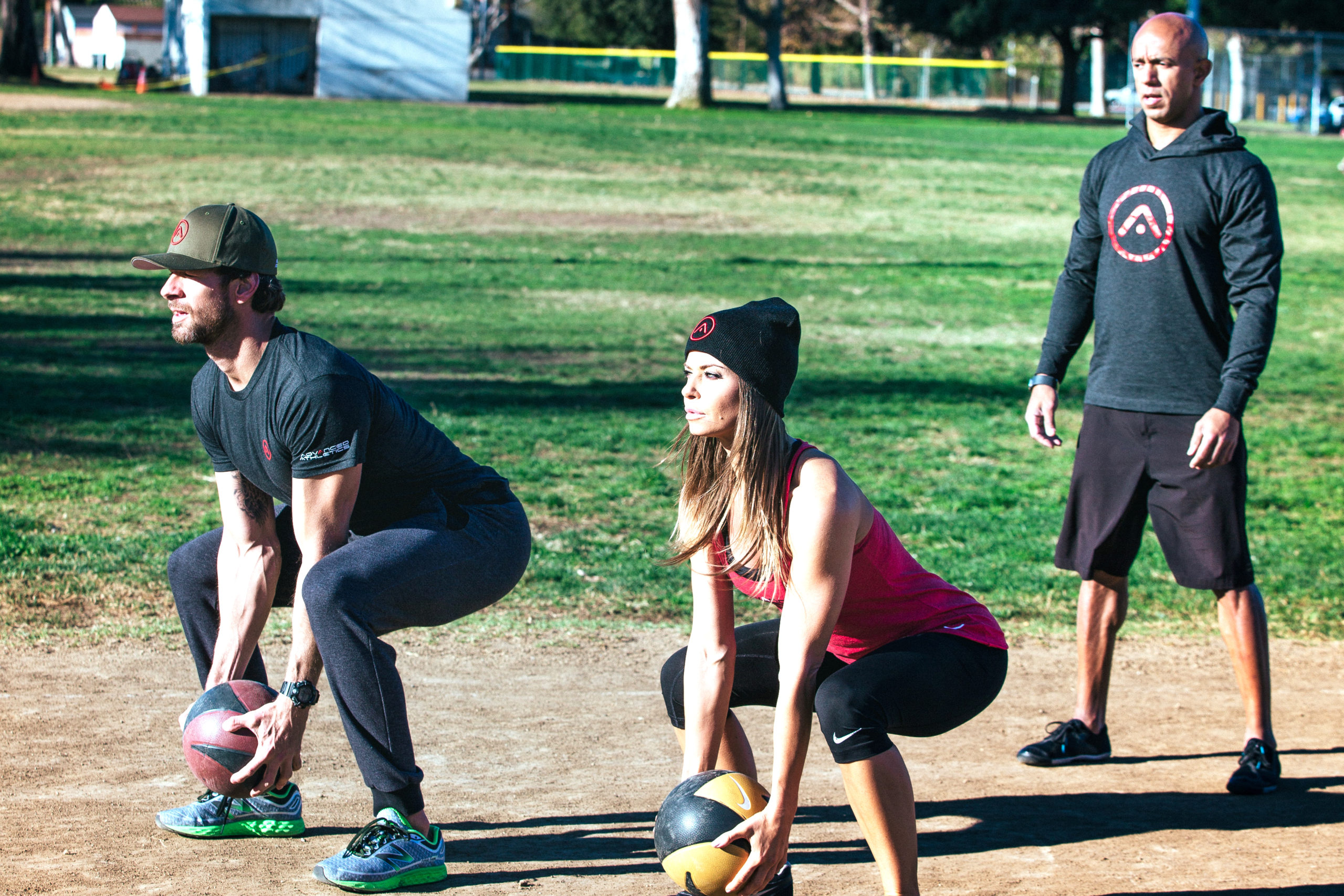
My Interview On The Fitness Blitz Podcast With Eric Malzone
At the end of October, I had the pleasure of speaking with podcast host Eric Malzone on The Fitness Blitz Podcast. We talked about my business, the ups and the downs, my fitness philosophy, the...
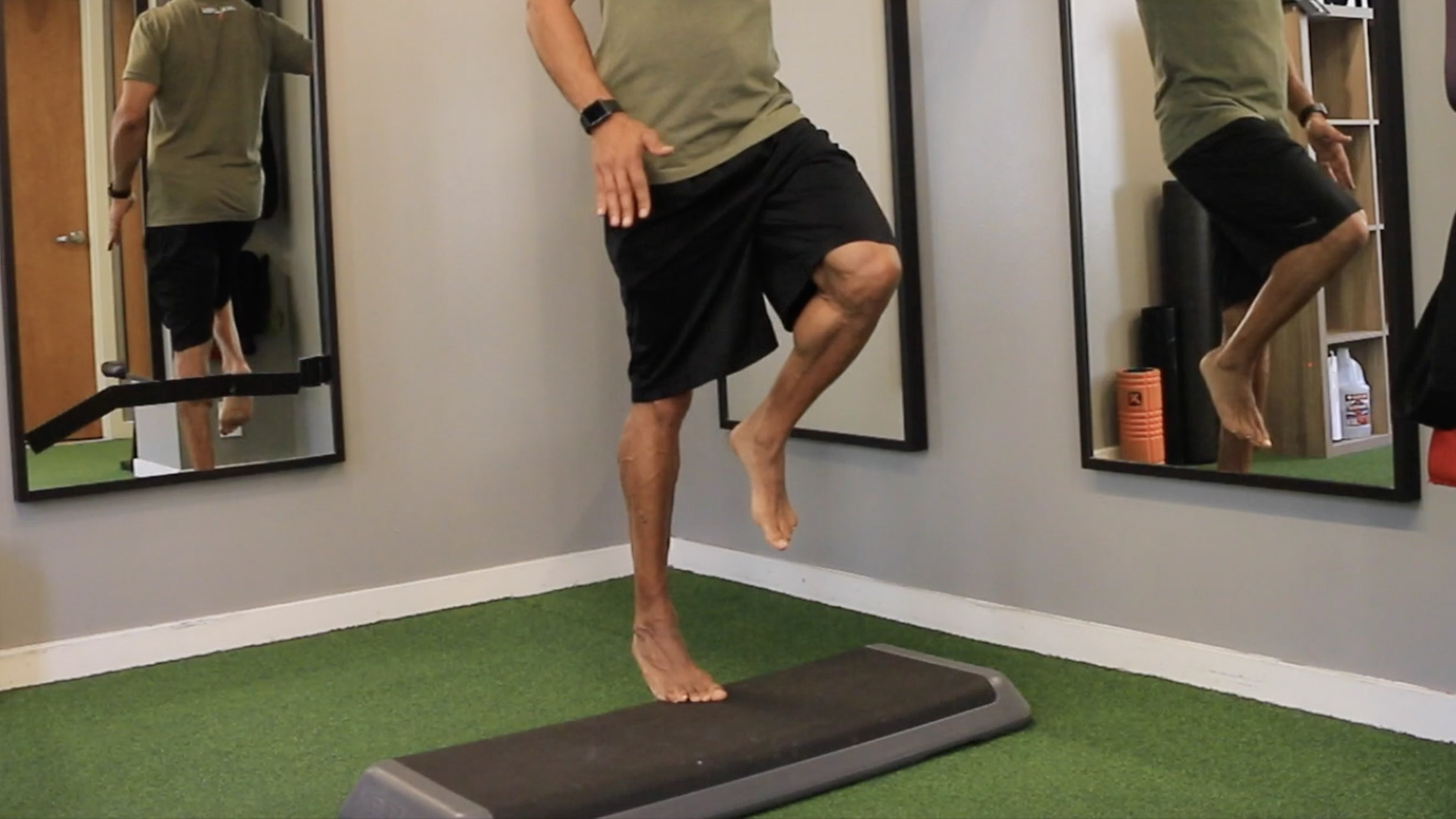
the area of the body most athletes neglect and come to regret
I was driving on the 405 freeway this past weekend and couldn’t help but notice all the shredded remains of tires on the side of the road. The thought of driving at a high speed...
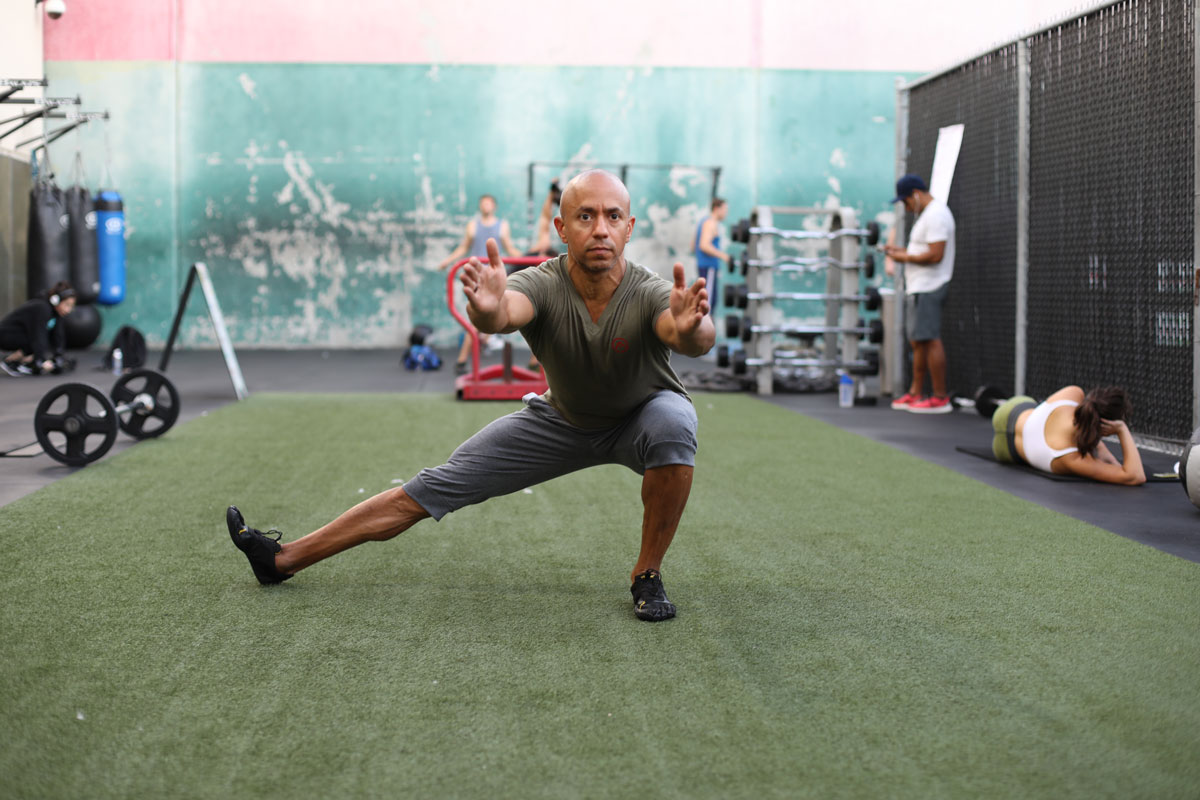
search and rescue mobility – the missing piece of your athletic puzzle
If you’re like most athletes, you’re missing a daily structure that addresses your durability. This is your ability to withstand the regular physical stress of your athletic activities. So you can thrive. By not taking...
how to be “years young” instead of “years old”
This past weekend, I celebrated my birthday. I gained a lot of anti-aging wisdom over Saturday and Sunday that I want to share with you. But first, there’s something I want to get off my...

2 weeks in Italy and I ate everything
When I was growing up in Philly, my family never made a trip overseas. The furthest we ventured was the hour-and-half drive from Philly to the Jersey Shore, once or twice in the summertime. And...
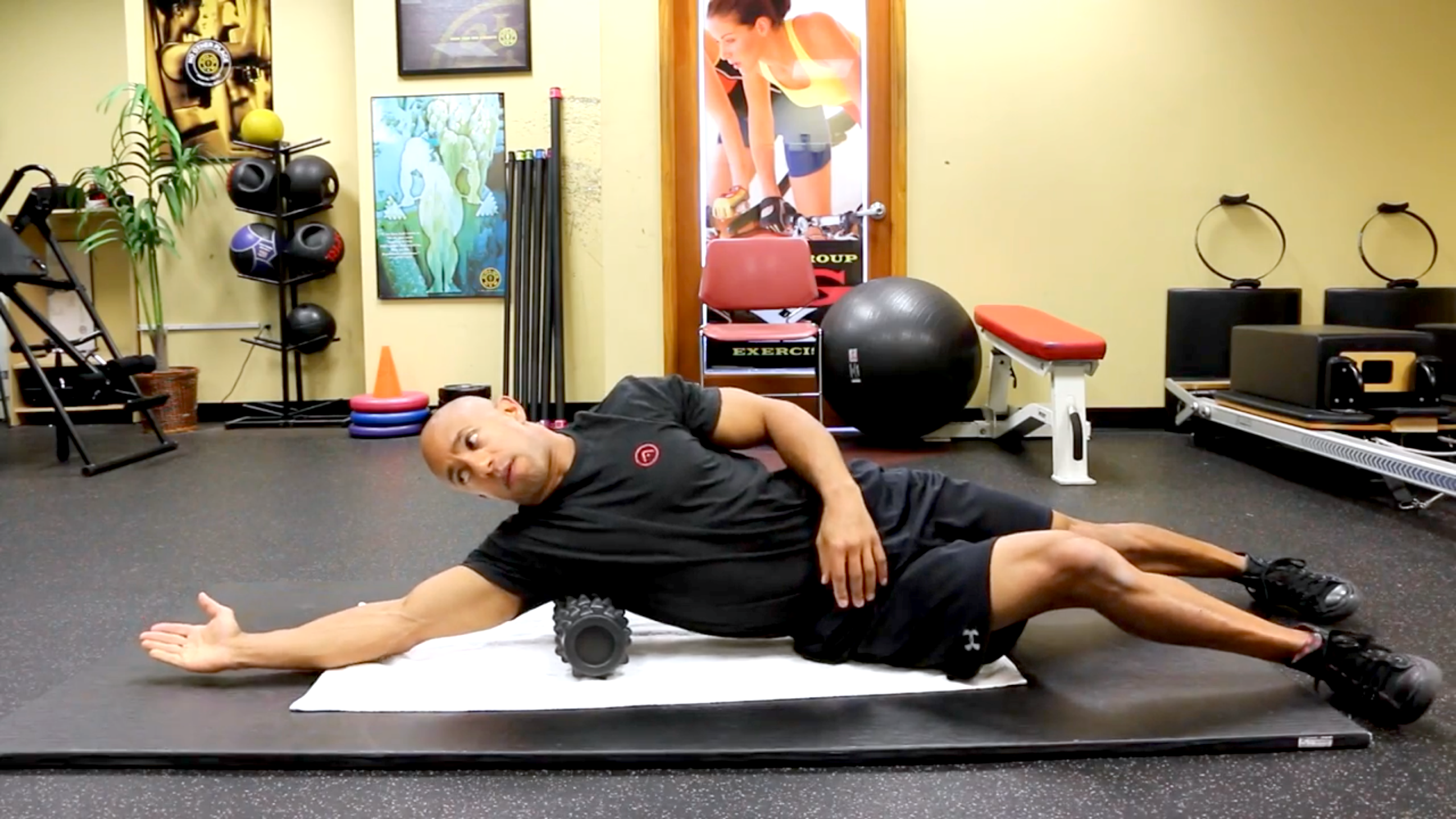
5 types of self-care equipment that every athlete should own
When you train and play as hard as you do, you need to put into place the right daily prehab and recovery strategies. That’s what’s going to keep you healthy and in the game. Oftentimes,...
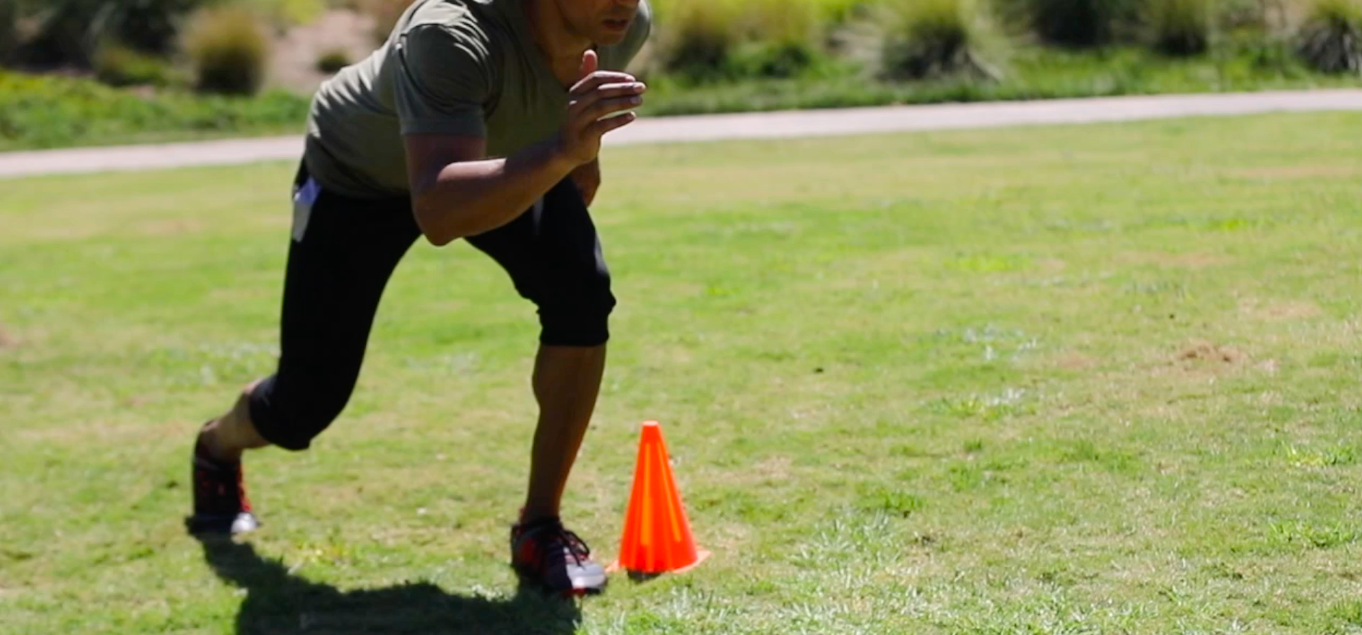
3 ways to improve your agility to stay healthy and athletic
Imagine you’re given a sudden challenge to play a 20-second game of tag with one other athlete … for a million dollars. Your opponent is your same size, build, and gender. You have 30-square-yards in...
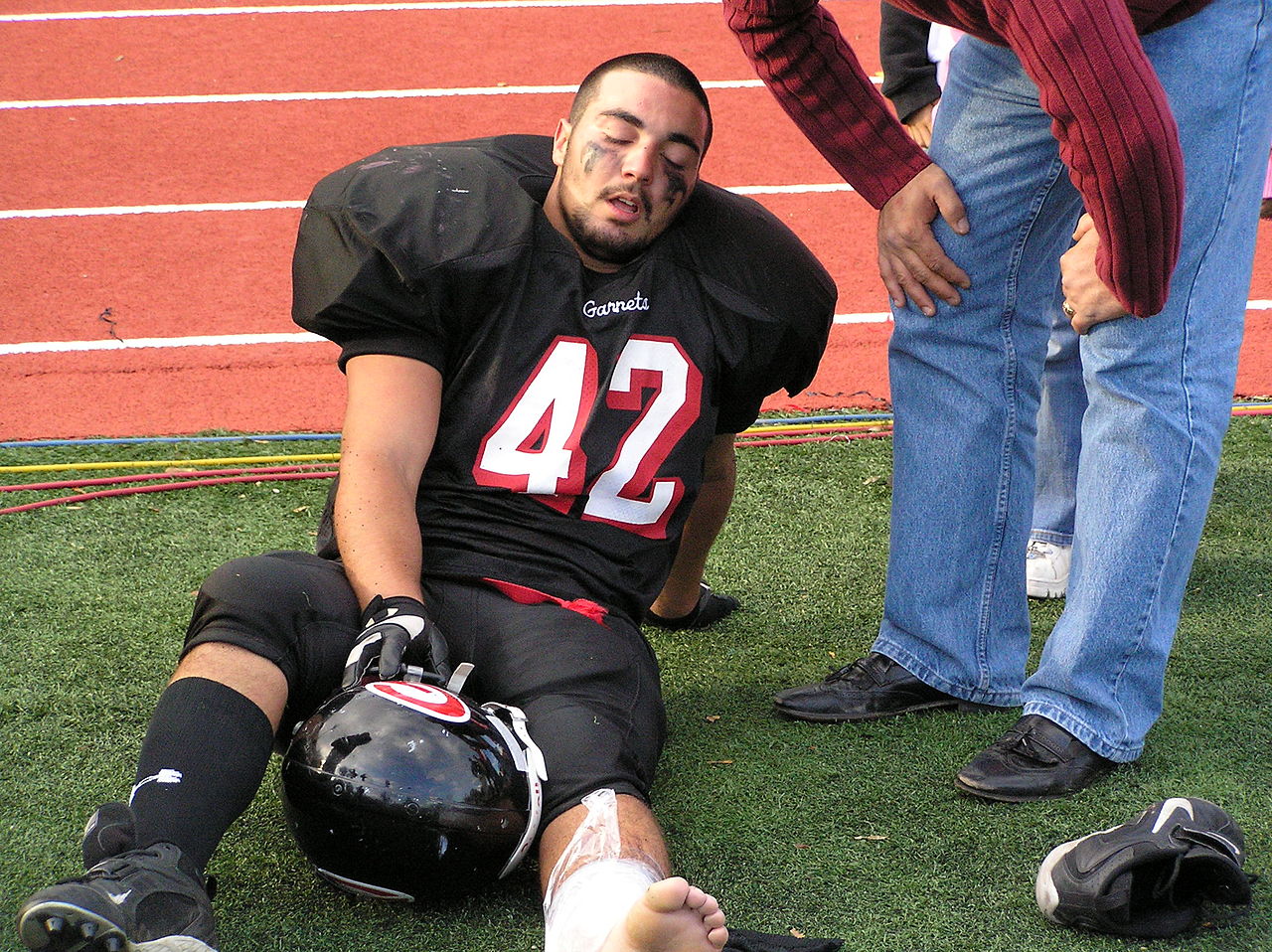
how to find a “can do” attitude when you’re injured
Have you ever found yourself thinking, “I’ll always be in pain”? If so, know that you’re not alone. That same negative thought crosses most people’s mind at least once after they’re injured. I know this...
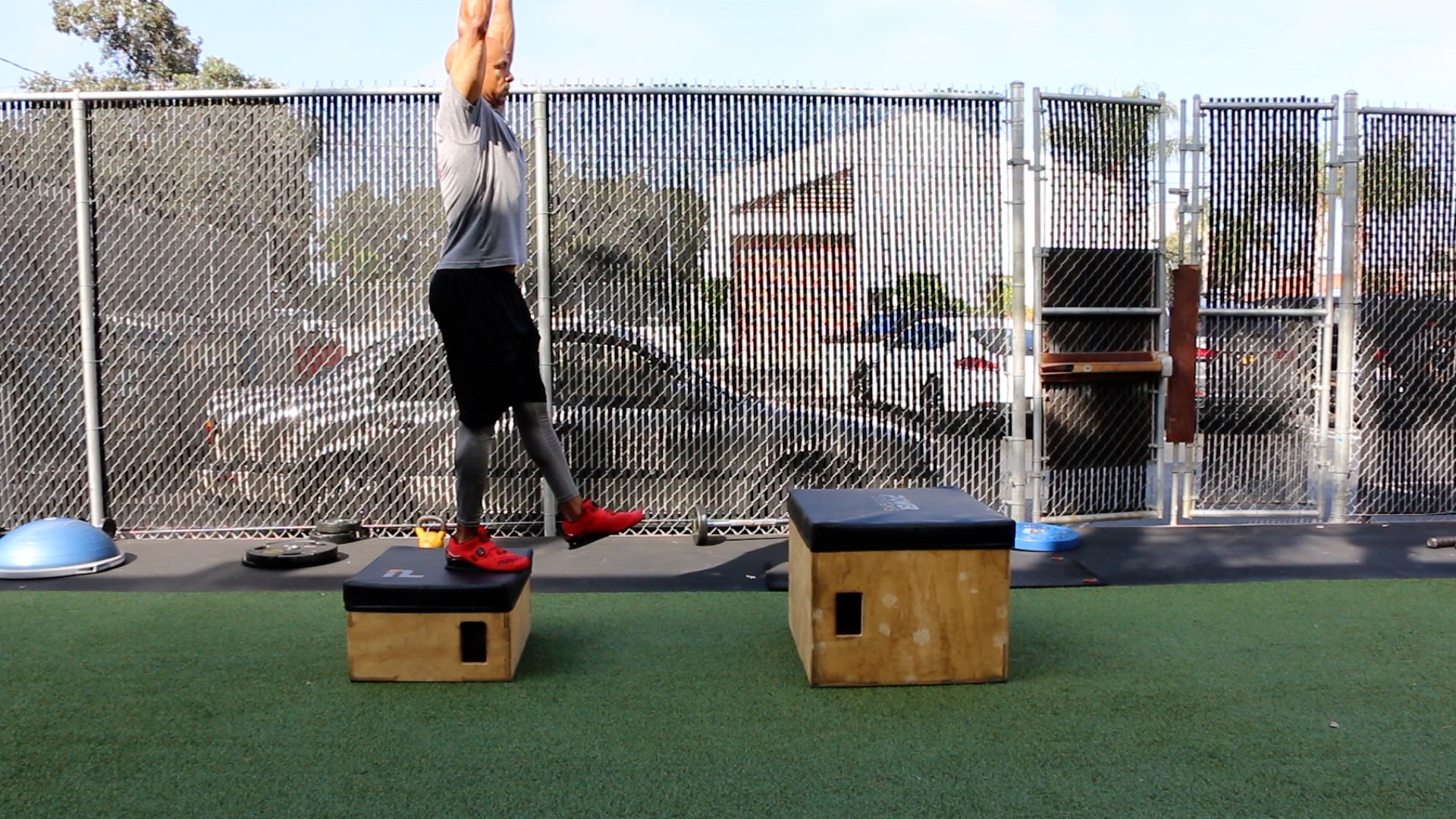
5 ways to get back your athleticism and never lose it again
To be an athlete for life … you must play, play often, and play smart. Use or lose it. It’s that simple. I see too many athletes get sidetracked for months with “other” priorities. And...

a lesson to learn from LeBron James
Lebron James reportedly spends $1.5 million per year to maintain his body. Whether you’re a fan of LeBron or not, it’s hard not respect his commitment to staying in the game, performing at his best,...
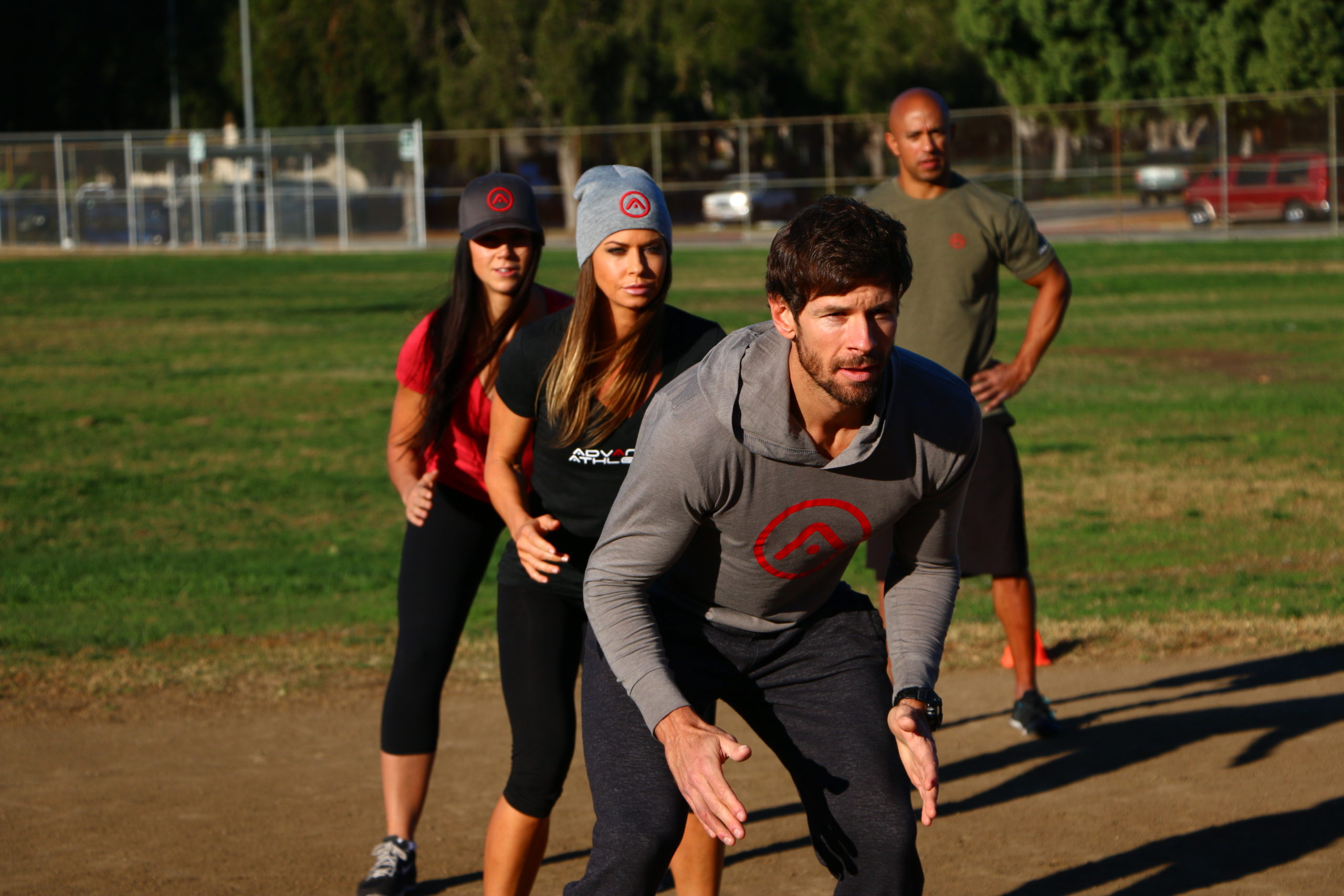
7 steps to restore your athletic performance
In my twenties, I felt bulletproof as an athlete. On a regular basis, I could push my body to its limit in the gym. And especially for all of my “weekend warrior” activities. Although there...

fitness experts agree you’re missing out on this training method
This past weekend, I took part in a 3-day functional training summit in Long Beach, CA. I had a chance to listen to some amazing expert presenters whom I admire and respect. They discussed the...
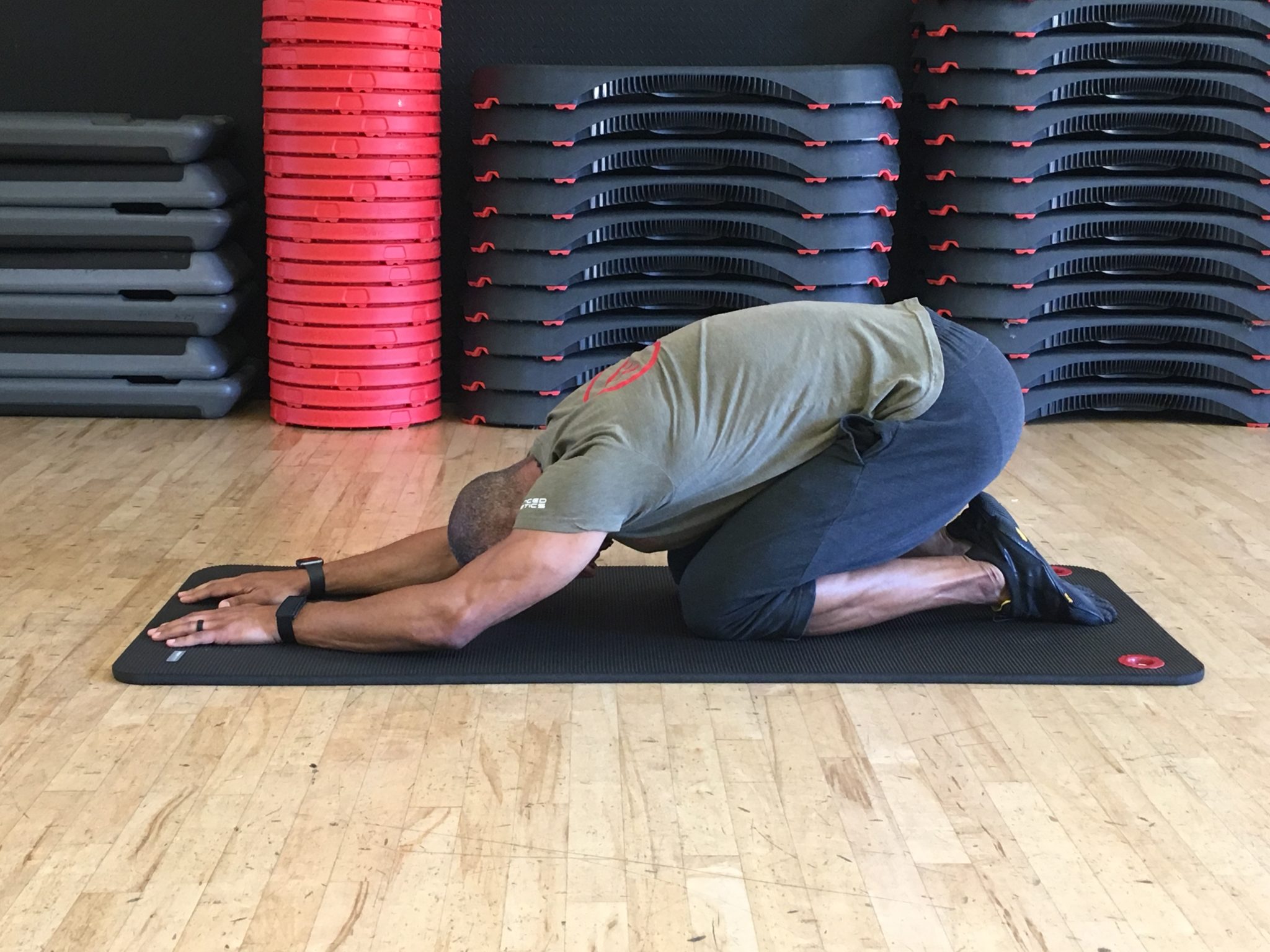
the first step to recover faster after your workout
Your ability to push your outer-limits of fitness has so much to do with how well you recover. Truth. That’s why I’m excited to share a powerful recovery enhancer with you. Athletes everywhere are using...
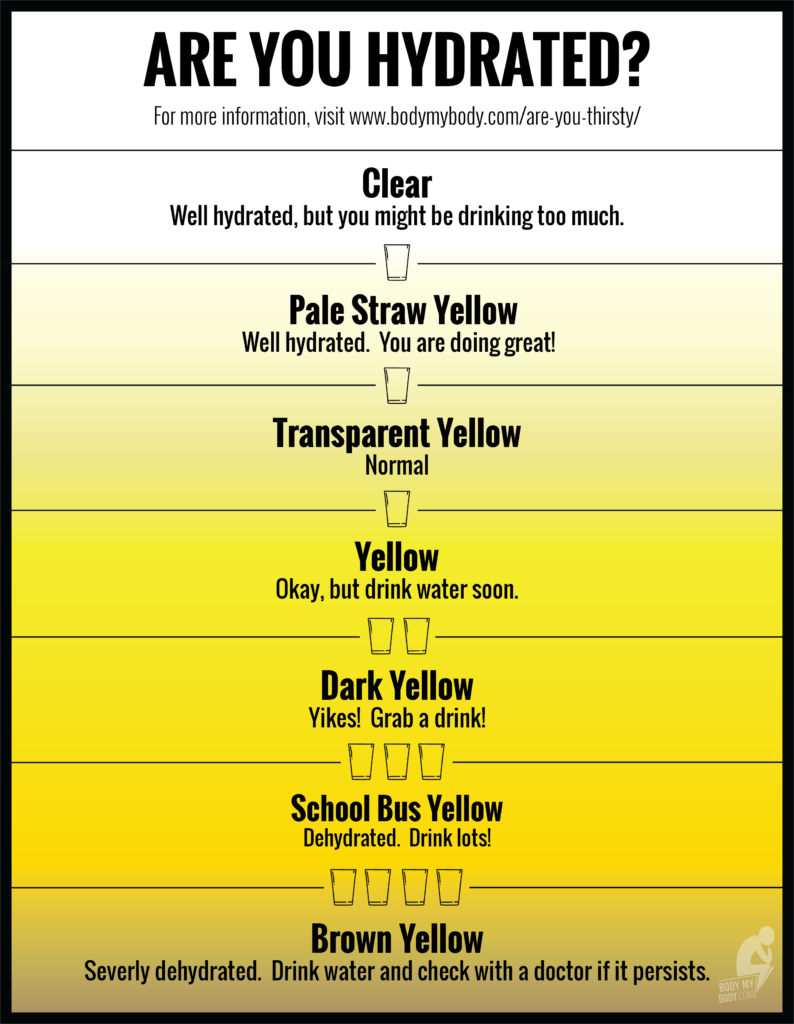
5 tips to stay hydrated and not water down your workout
Weak, slow, stiff, sluggish, and out-of-it. No thanks! Did you know that if you’re not hydrating right, you’ll end up with these unwanted feelings? And they have the power to undermine your workout. I’m not...
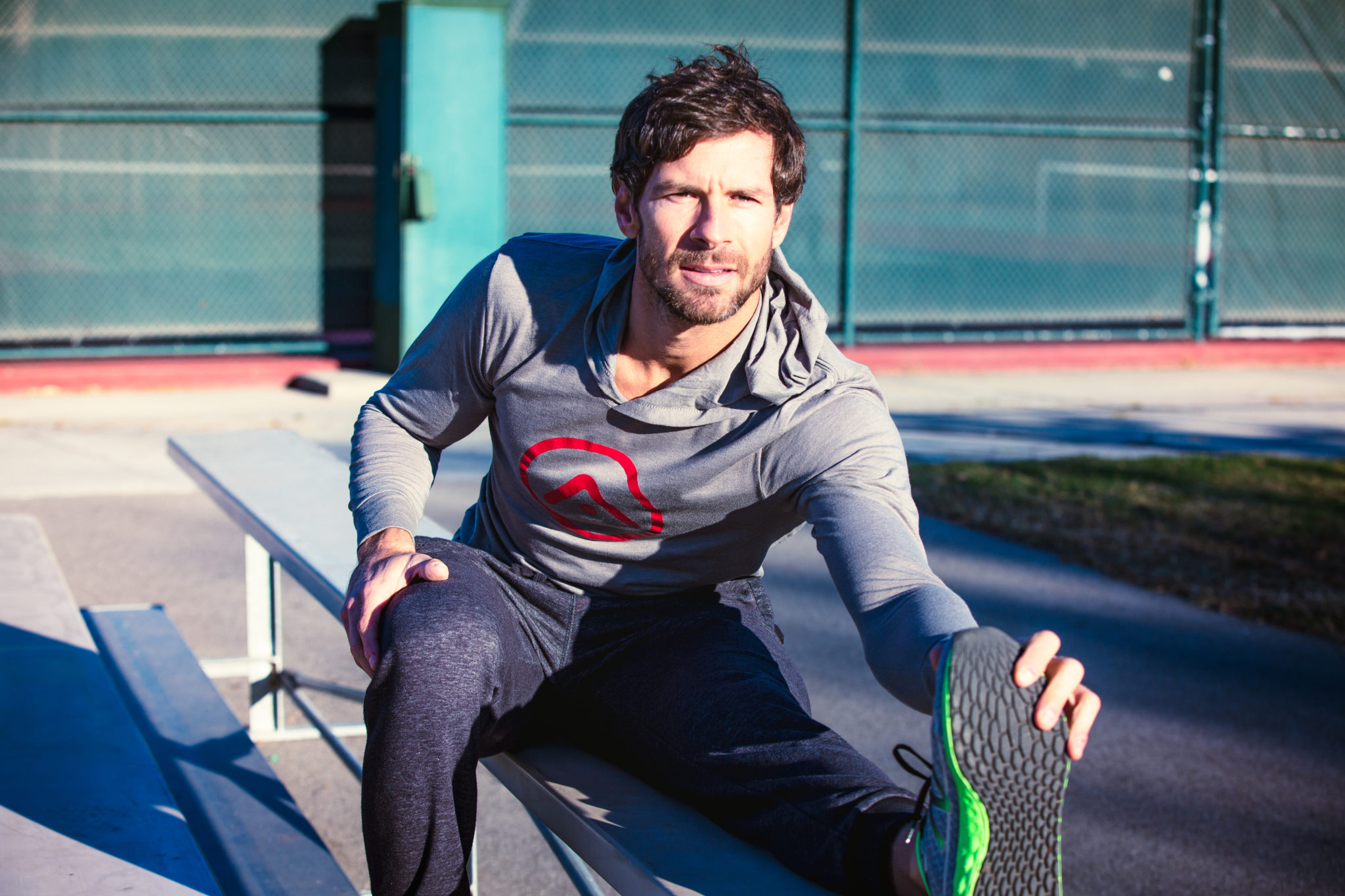
7 habits to maximize your recovery in between sets
What you do with your time between sets speaks volumes about your commitment to progress. People tend to focus on the amount of time you should rest between sets. While that’s an important factor (crucial...
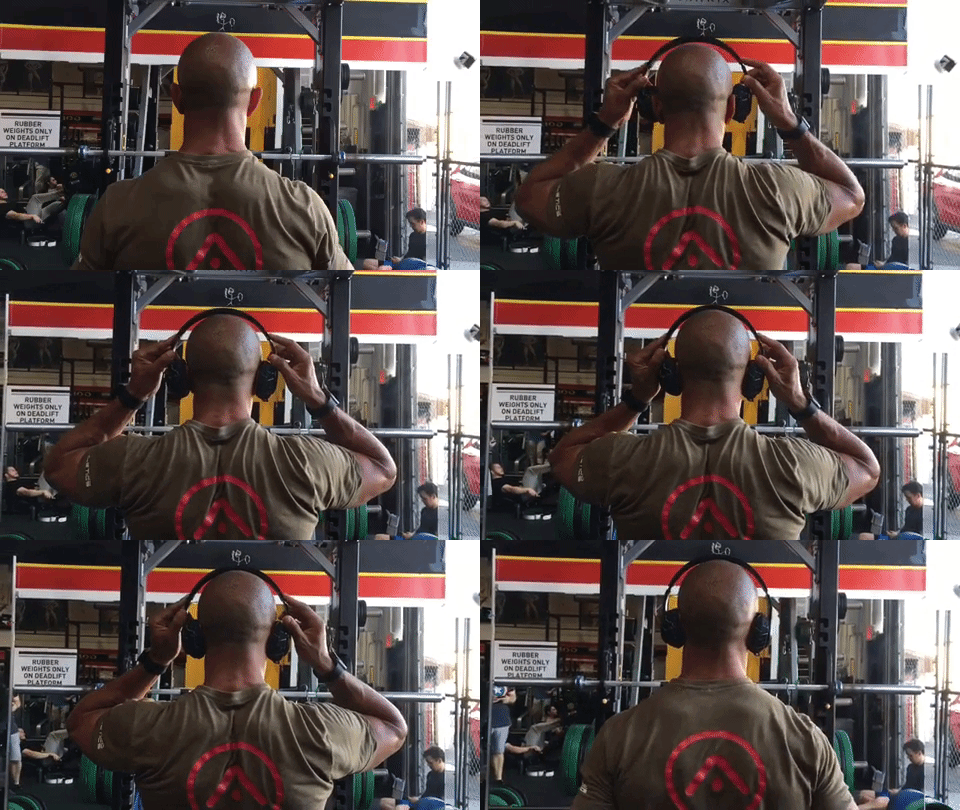
how to avoid external distractions that are ruining your workout
What’s with all the chit chat going on in the gym lately? Have you noticed it? Is it wearing you down too? Well, I’m here to interrupt the noise and to help you put a...
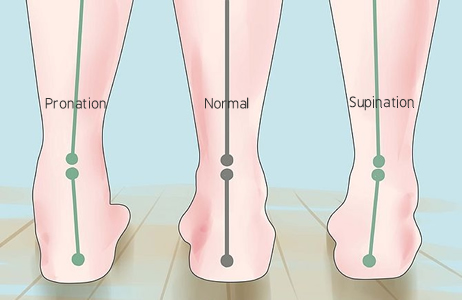
how to choose the right shoe for your foot type & why it matters
There’s something you need to know before you run out to buy a new pair of kicks for your strength training workout. You need to know your foot type. By that I mean, do you...
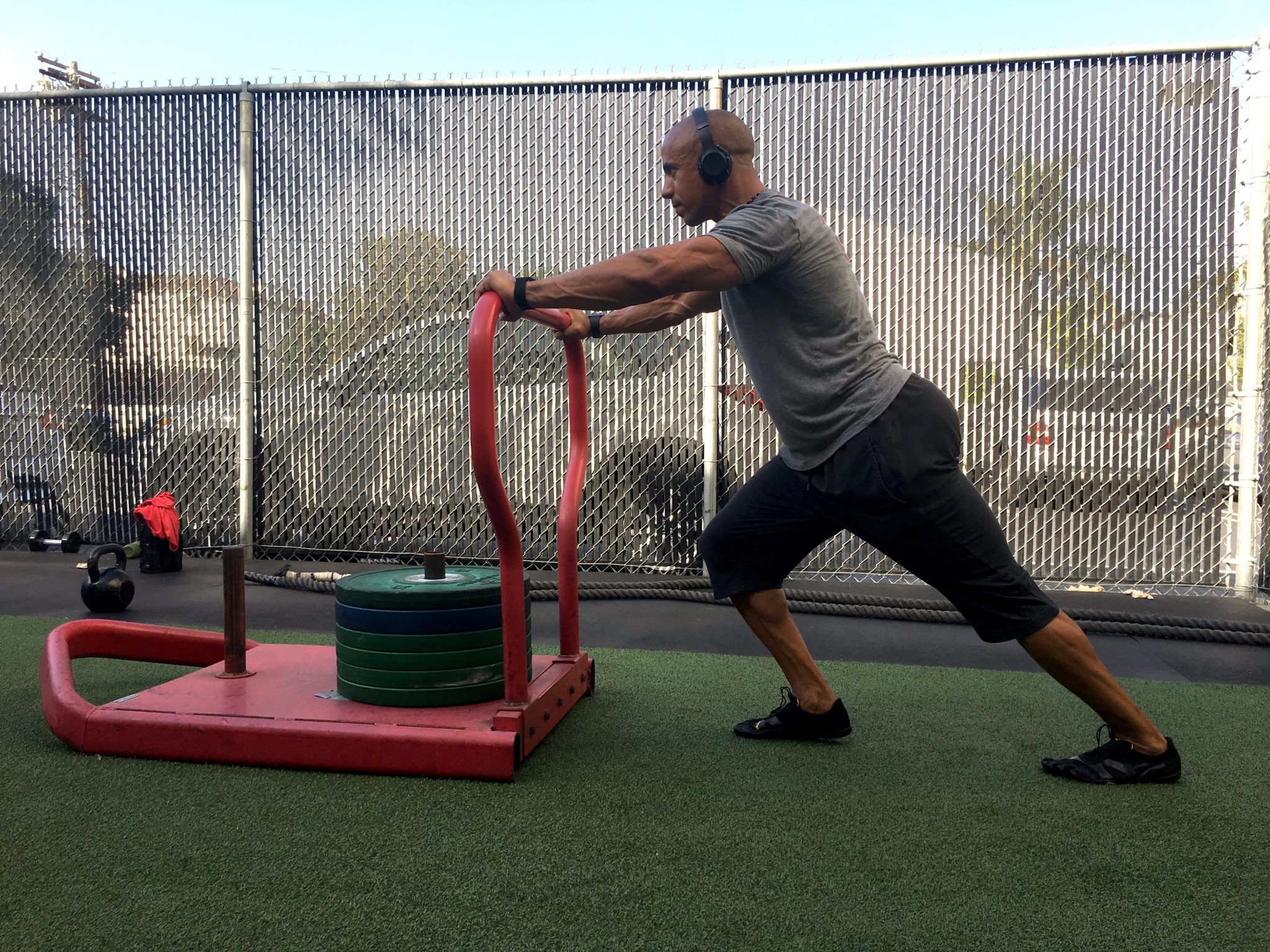
you need a weight training shoe with these 4 qualities
Imagine trying to play basketball wearing ice skates. How about running a marathon in high heels. And ice skating in flip-flops. Those funny and outrageous images would be an utter disaster if ever attempted. Comedy...
how the wrong footwear impacts your workout
If you’re wearing the wrong gear on your feet, it can make you weaker and injury prone. I bring this up because I see too many people making the wrong shoe choice for their strength...
why lighter weights will help make you a stronger athlete
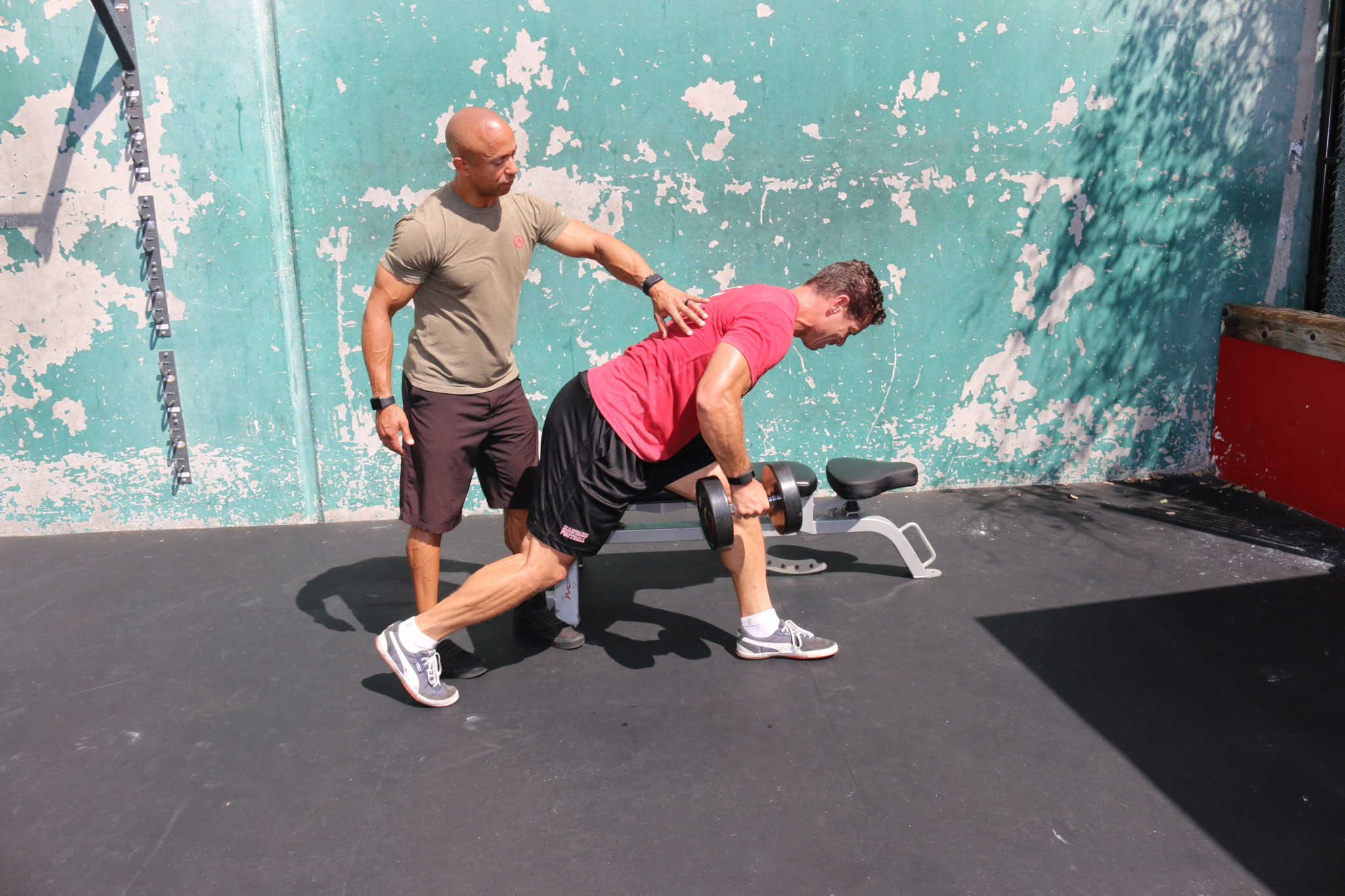
No matter what your athletic goal is, your strength is the vessel that makes it possible to reach it. This is because strength training is about gaining control over your body. And when you push...
why you need to confront the path of least resistance
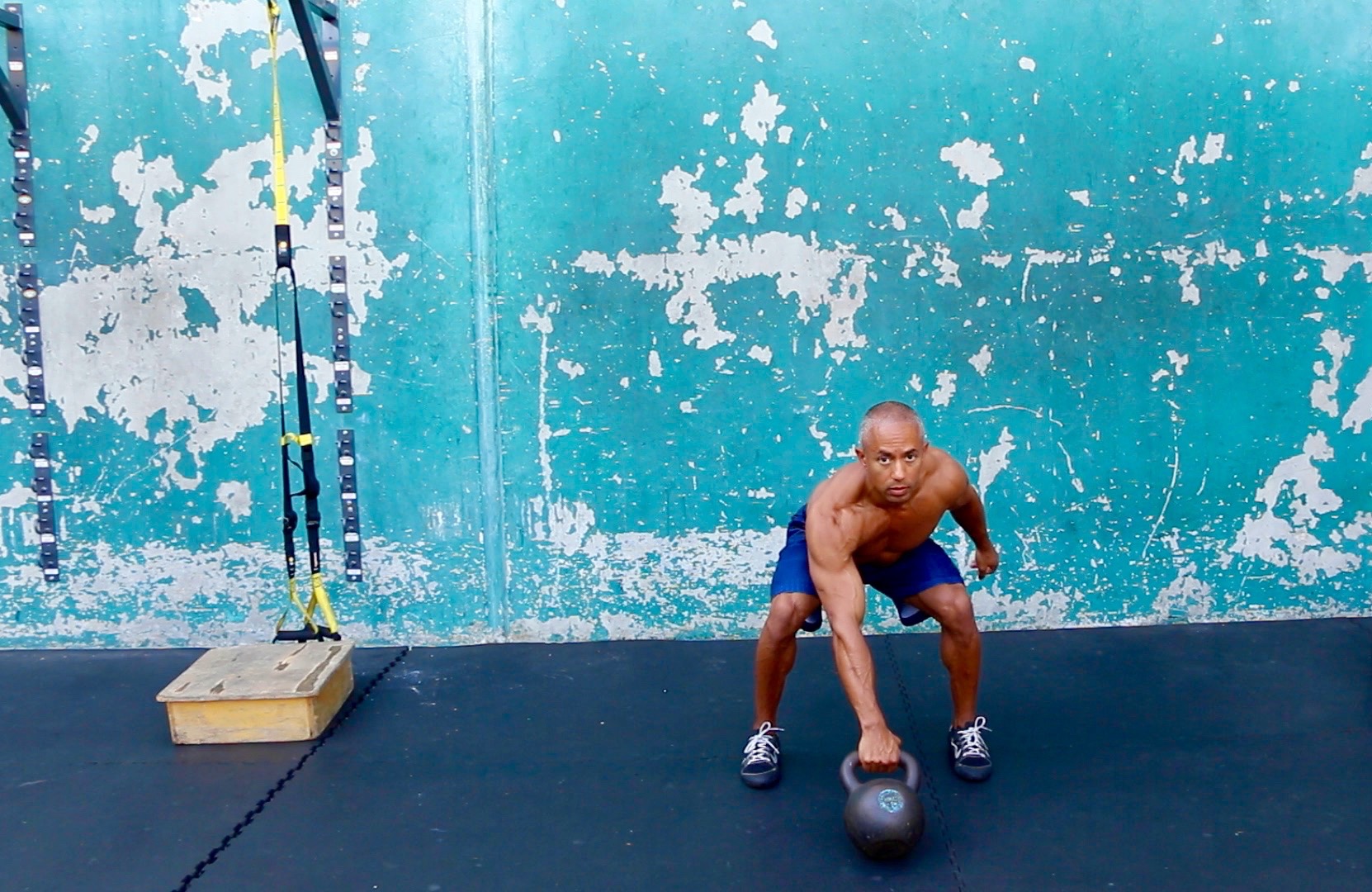
To have performance longevity, you must confront one of your body’s natural tendencies. That its tendency is to take the path of least resistance (P.O.L.R.). And this is a vulnerability that can lead to no...

taking the high road to pain
Ever since I participated in sports as a kid, aches and pains have been a recurring theme. Back then, I didn’t understand why, or what I could do about it. No doubt most athletes can...

the first step to improving your vertical leap
So you want to improve your vertical leap, and you don’t know where to begin? As with everything else when it comes to your athletic capability, you need to start with your foundation. And in...
7 steps to come back from injury
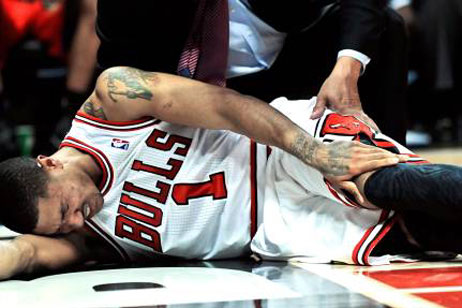
Coming back from an injury too soon is an accident waiting to happen. And our culture of sports has ignored this for far too long. As a result of coming back too soon, many promising...
two mistakes to avoid in order to avoid re-injury
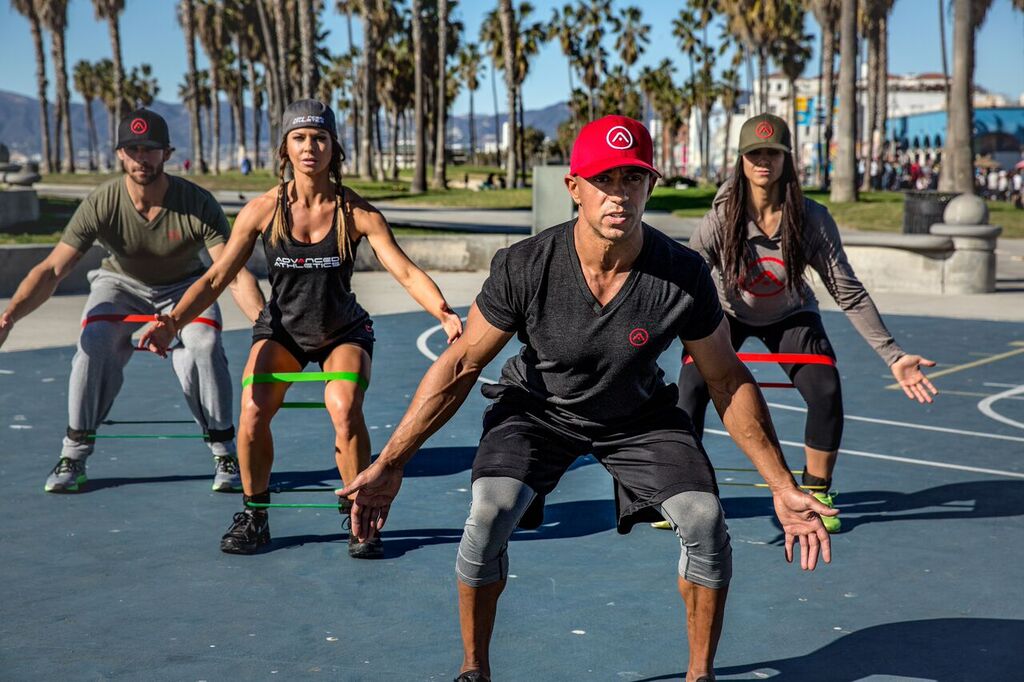
Do you know what the #1 predictor of injury is? It’s a previous injury. Of the hundreds of athletes who I’ve assessed, I can’t think of a single one who hasn’t had a history of...
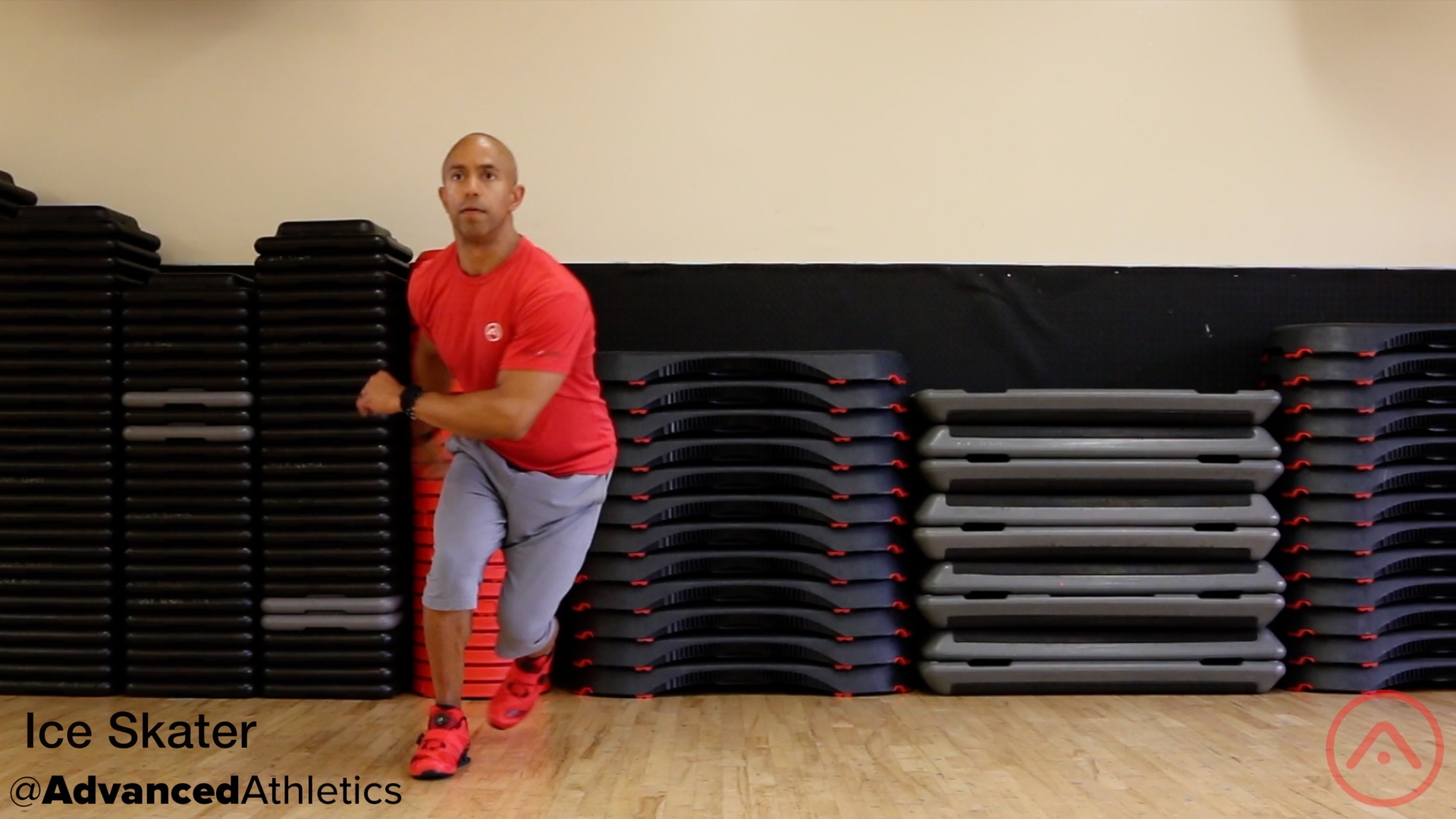
7 steps to get back your athletic fluidity – and never lose it again
In sports, the greatest athletes make the most incredible feats look effortless. It’s the gracefulness of their actions and reactions that appears as a free-flow of energy. That is fluidity. It’s what all athletes should...
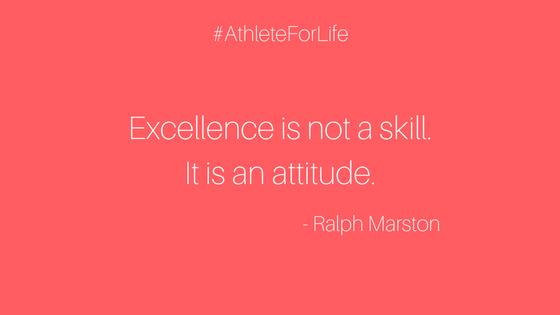
the only standard that matters
There’s one standard that speaks for itself. And that’s excellence. It’s a powerful word when you hear it. But what does it really mean? For me, excellence means taking on the status quo of yesterday...
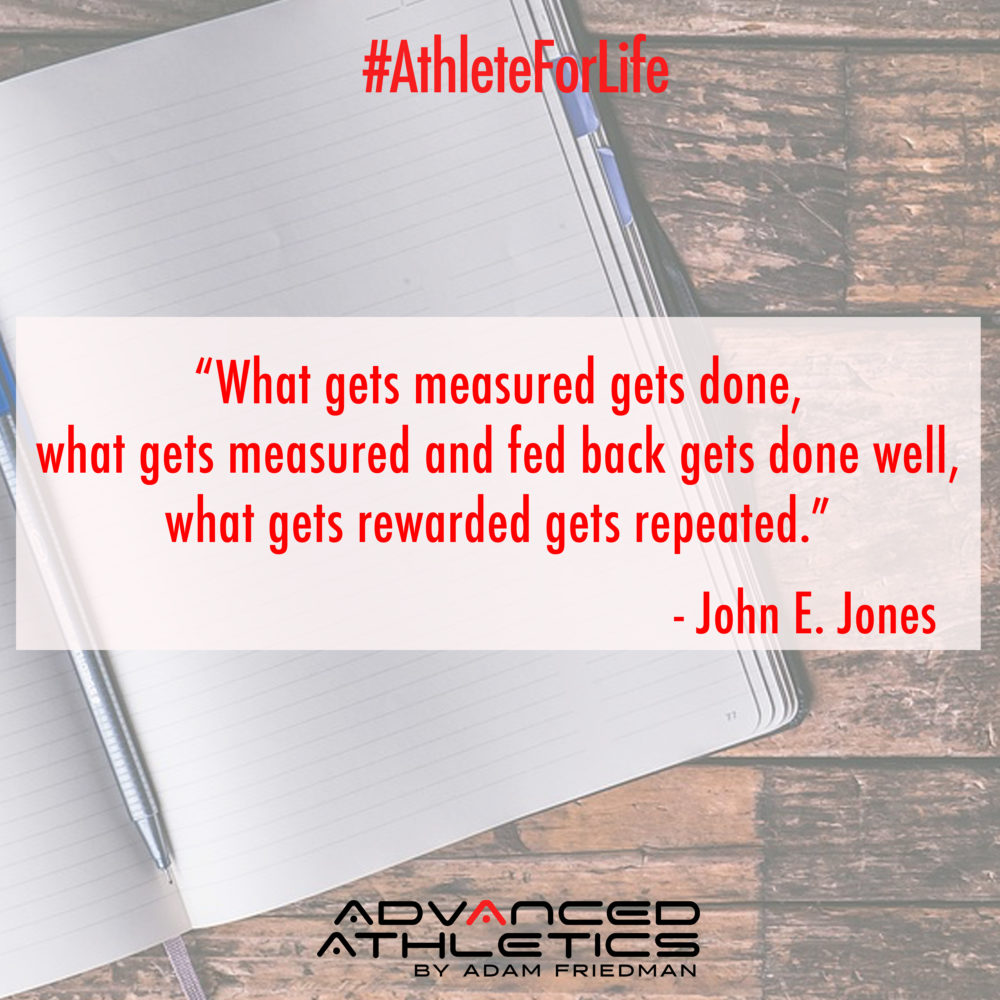
journaling for insight and maximizing results
“I had no idea how poorly I was eating until I wrote down EVERYTHING.” That statement plays out time and again, when my clients journal a few days of their food intake for the first...

how to know if your nutrition is working for you: part 2
According to the dictionary, an experiment allows you to: Make a self-discovery Test a science-based theory on your body and lifestyle Prove a known fact’s relationship to you and your goal Each of these possible...
how to know if your nutrition is working for you: part 1.5
Learning the truth. How much value do you place on the truth when it comes to your own nutrition? It’s an important question to ask yourself at this stage in the process. The process...

how to tell if your nutrition is working: part 1
It’s been one week since I challenged you to take three steps in the direction of getting back your Summer Swag. Hopefully, you stepped up and are on your way to revealing the amazing body...

bone broth – a game changer
A couple of years ago, as I was shifting to a ketogenic (high fat / low carb) nutrition plan, I didn’t feel right at first. I had low energy and brain-fog every morning. I was...
3 steps to get back your summer swag
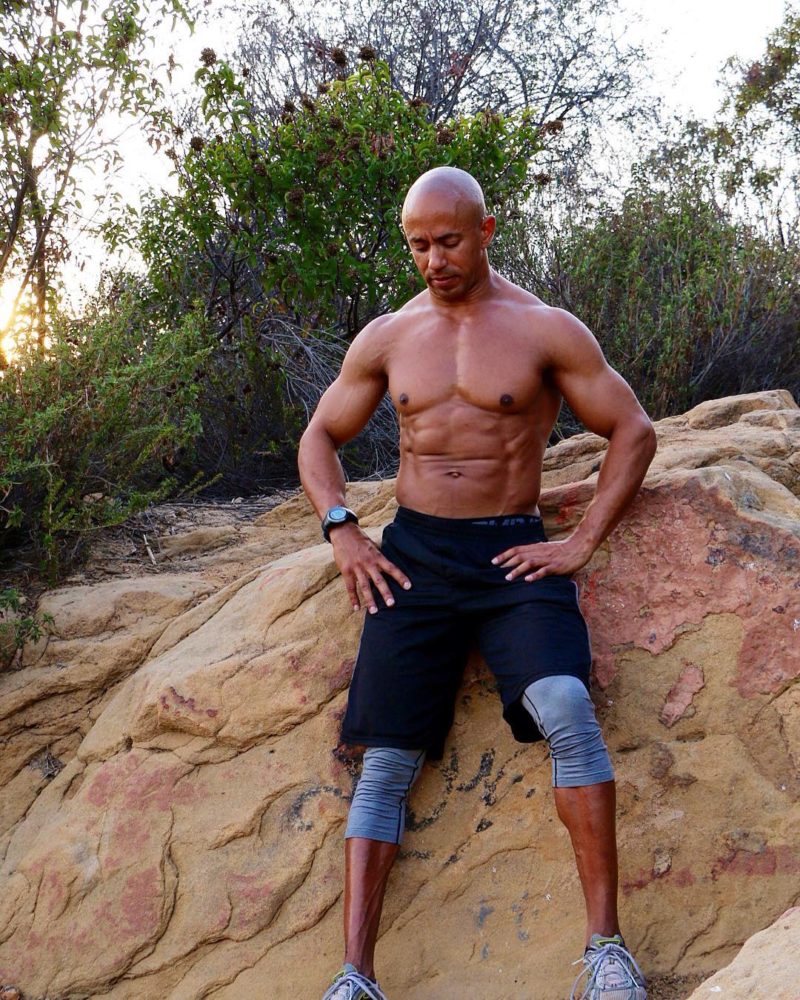
When summertime arrives, are you going to end up wishing you had spent more time and energy getting in the kind of shape that you’re proud of? The kind of shape where the thought of...
predictably unpredictable – the 3 planes to train to prepare for the unexpected
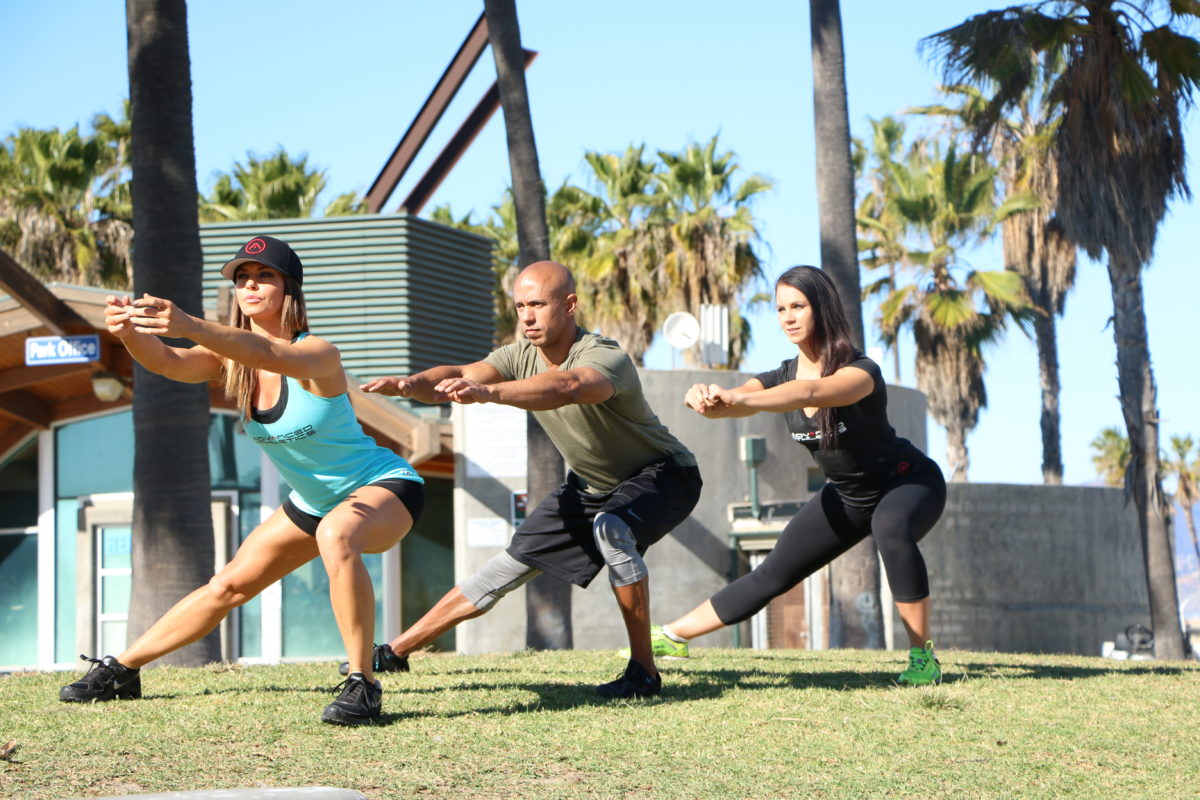
There is one certainty in sports, which is that circumstances are often predictably unpredictable. In an instant you may have to stop, start, shuffle, hop, lunge, catch, and pass in any direction. And in those...

eating around your workout
Trying to figure out the right nutrition to support your health and fitness goals can seem impossible. There’s enough conflicting information floating around to make your head spin. Some science supports you achieving your performance...
the shape of hinging
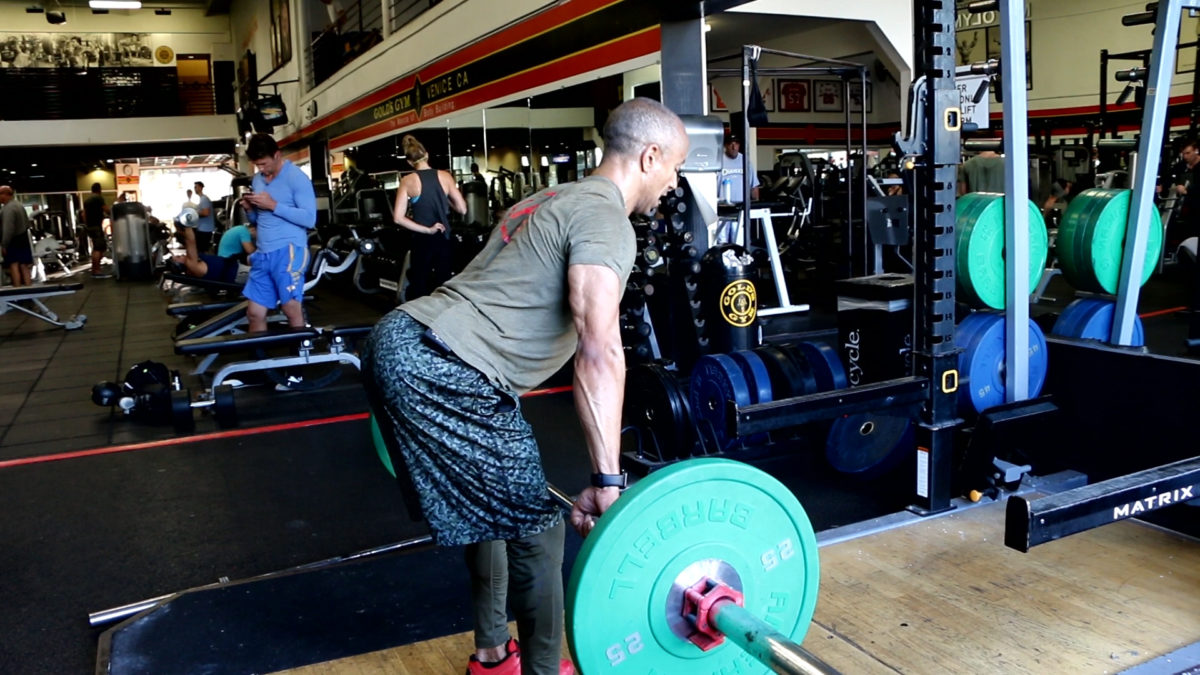
Since my last message to you, I hope that the shape of bending is playing a much smaller role in your daily movement habits. Is this true for you? Now that you’re more aware of...
the shape of bending
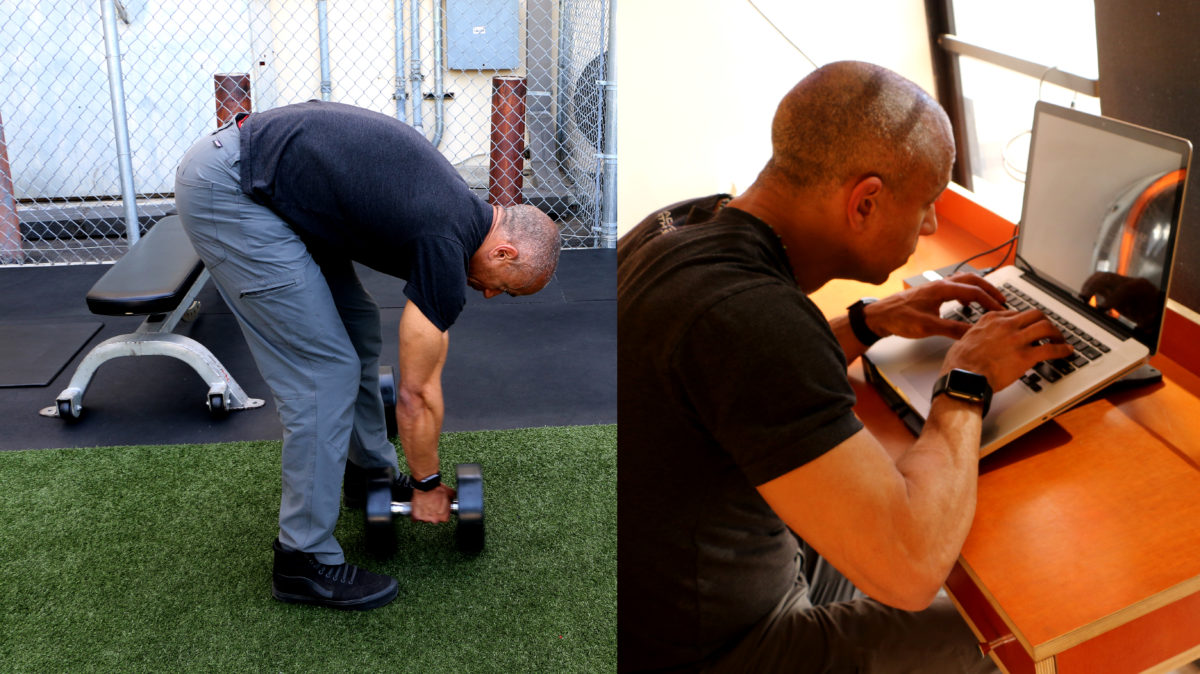
It amazes me the number of athletes who are “living” on a daily basis with low back pain (LBP). Lots of players are down-and-out right now. Others are a “straw-that-broke-the-camel’s-back” injury away from debilitation. It’s...
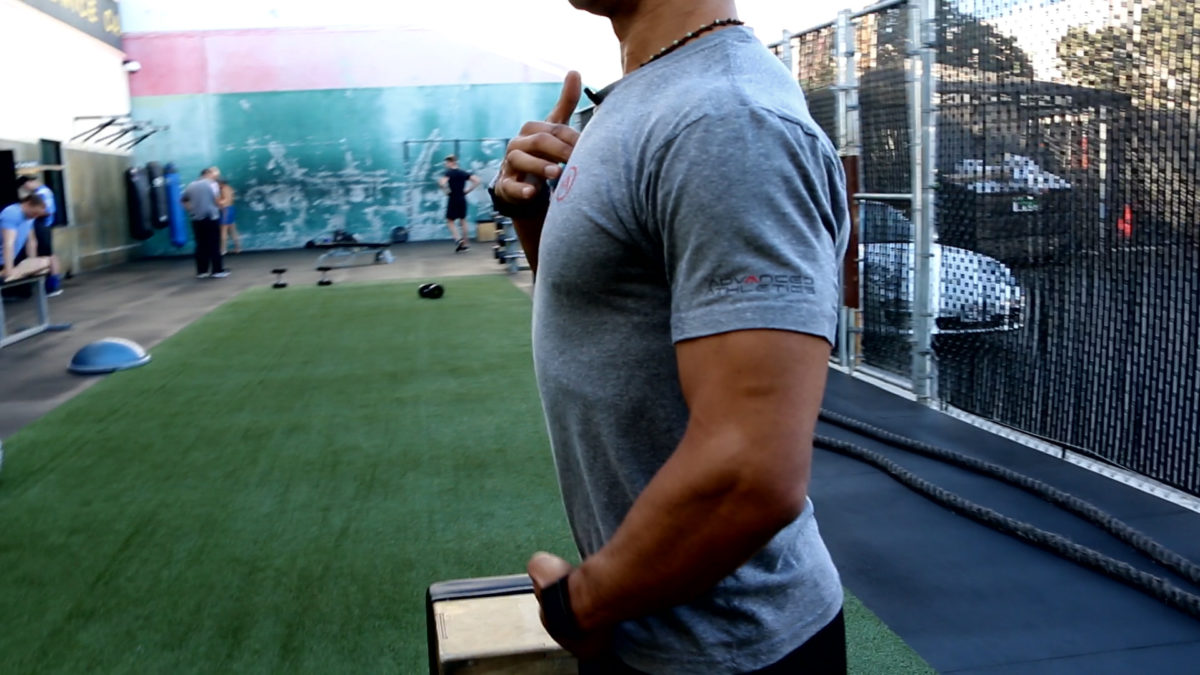
how to fix your nagging shoulder
If your aching shoulder is holding your back from pushing your fitness to the next level, this is for you. Over the years I’ve helped many people come back from shoulder injuries and, in some...
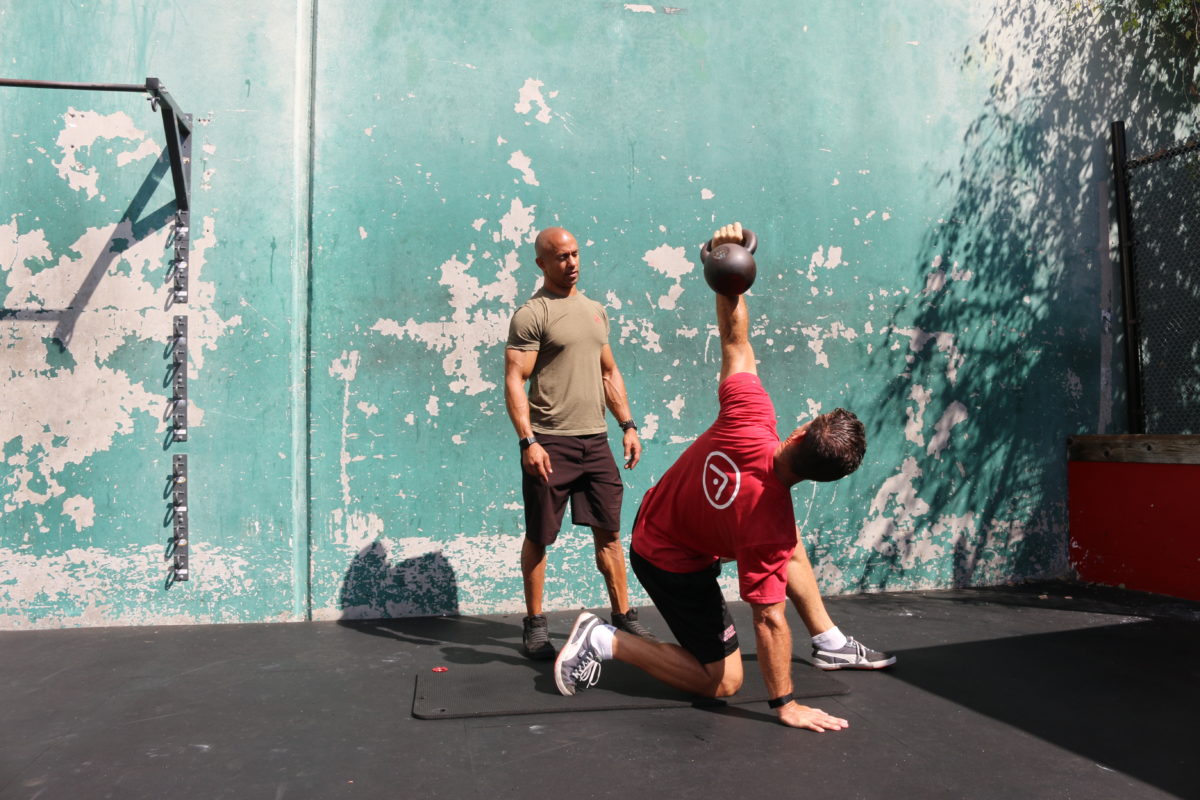
5 tips to master any new exercise
I know that performing any new exercise right is important to you. That’s why applying all of the nuances in terms of technique and execution should be top-of-mind when you’re working out. It’s what separates...

you are the franchise
In the game of life, how you show up to it when it matters most is the difference between winning and losing the day. And how you show up is largely dependent on your behind...

why the underdog mentality works
Go ahead. Slap on the “underdog” label. So…freakin…what?! Are you going to let that stop you? H*LL NO! In case you missed the it, being the underdog didn’t stop the Philadelphia Eagles! The stats...
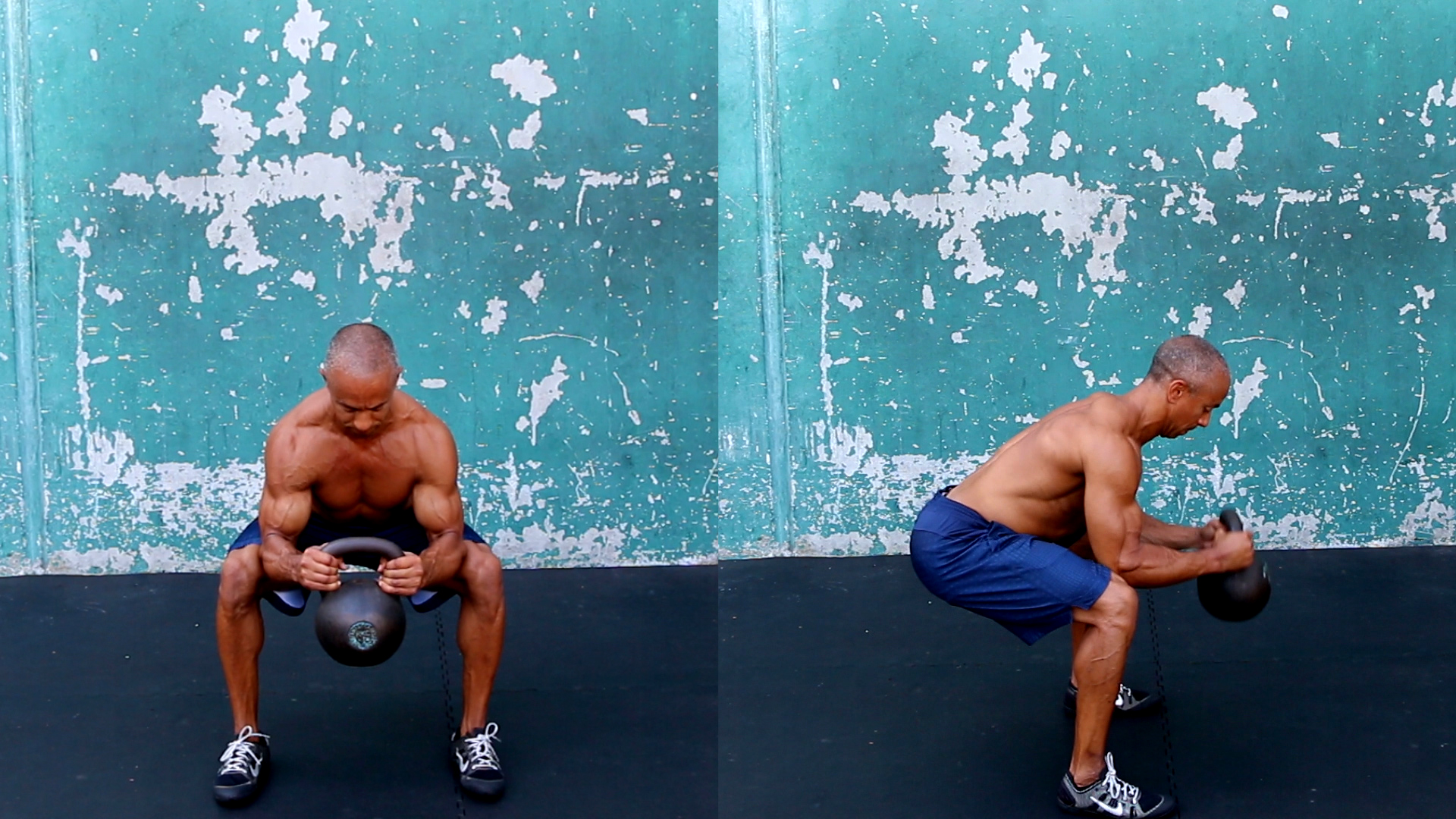
the 4-character combo to faster results
In any intelligent workout program you undertake, you should see a 4-character sequence that looks something like this: “3-0-X-1” What do these 4 characters represent? Actually something really significant when it comes to the results...
the answer to your question
“It depends” will be my response when you seek my best advice on fitness, health, and anything else for that matter. This is because there are so many underlying factors that can impact your results....

what happens when you resist fatigue
As great as Kobe Bryant was as an athlete, in the end he demonstrated what not do in the presence of fatigue. In the 2012-13 season, he pushed himself into tearing his achilles tendon. His...
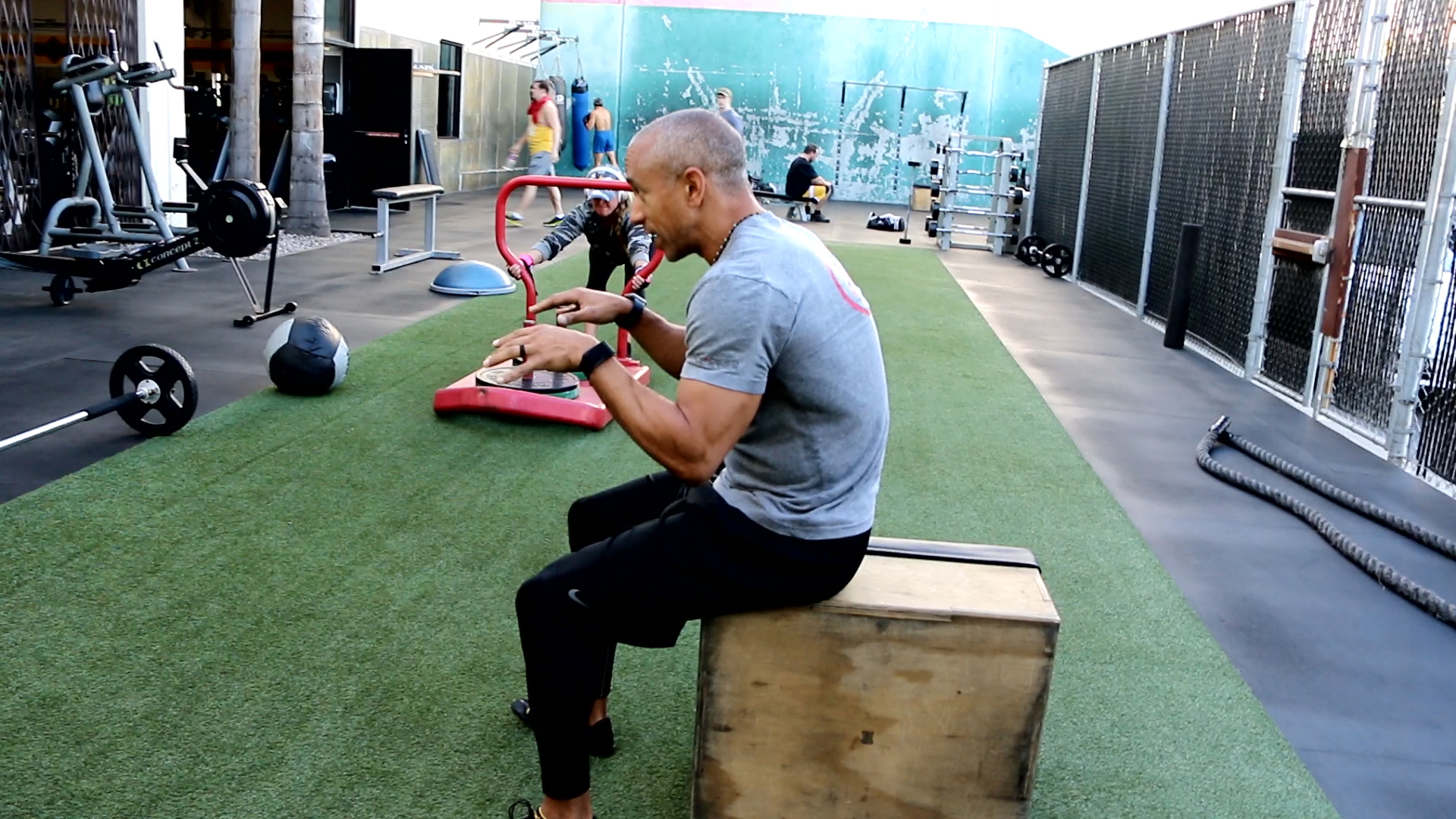
never back down from a good fight
Let’s be clear from the start. I’m not advocating violence here. I’m advocating exercising a relentless effort to take on the constant challenges that make you a better athlete. One never-ending challenge that requires that...

avoid losing momentum with these simple steps…
Part of the athletic journey is to keep building MOMENTUM towards reaching your goals. And momentum is built when you’re seeing results. It’s why I want you to know that your results matter to me....
2017’s powerful reminder for a better 2018
2018 is fast approaching and I am optimistic. Are you with me?! Awesome!! But before looking ahead, I like taking a little time to reflect. I assess how I’m doing in all of the areas...
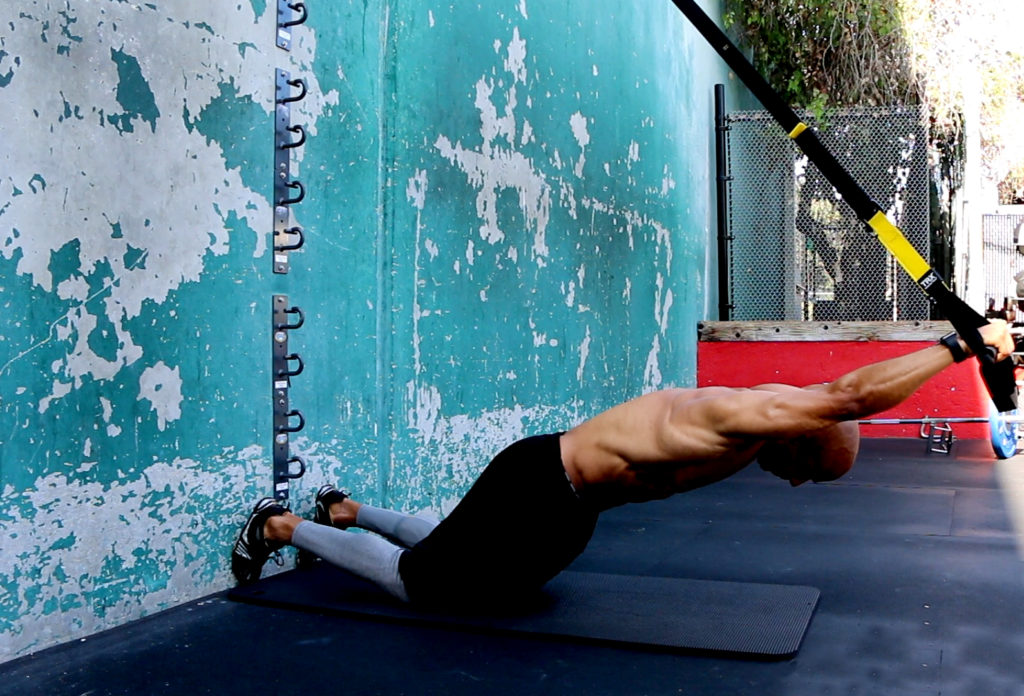
the top 10 core training mistakes I wish I knew when I was younger
For a long time, I was making a ton of mistakes training my core. Of course, I didn’t know it then. Now I laugh when I reflect back on my early twenties when I believed...
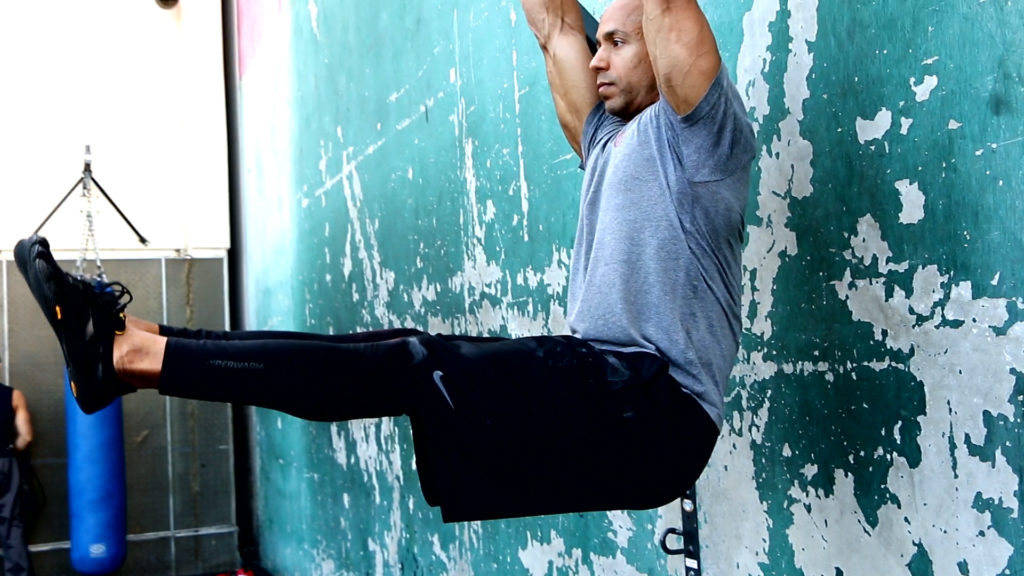
core IQ: what it is…and what it isn’t
Unless you’ve been living under a rock for the past 20 years, you’ve no doubt learned that it’s necessary to train your core. The ramifications if you don’t are a threat, not only to your...
activations: your must-do pre-activity ritual, part 2
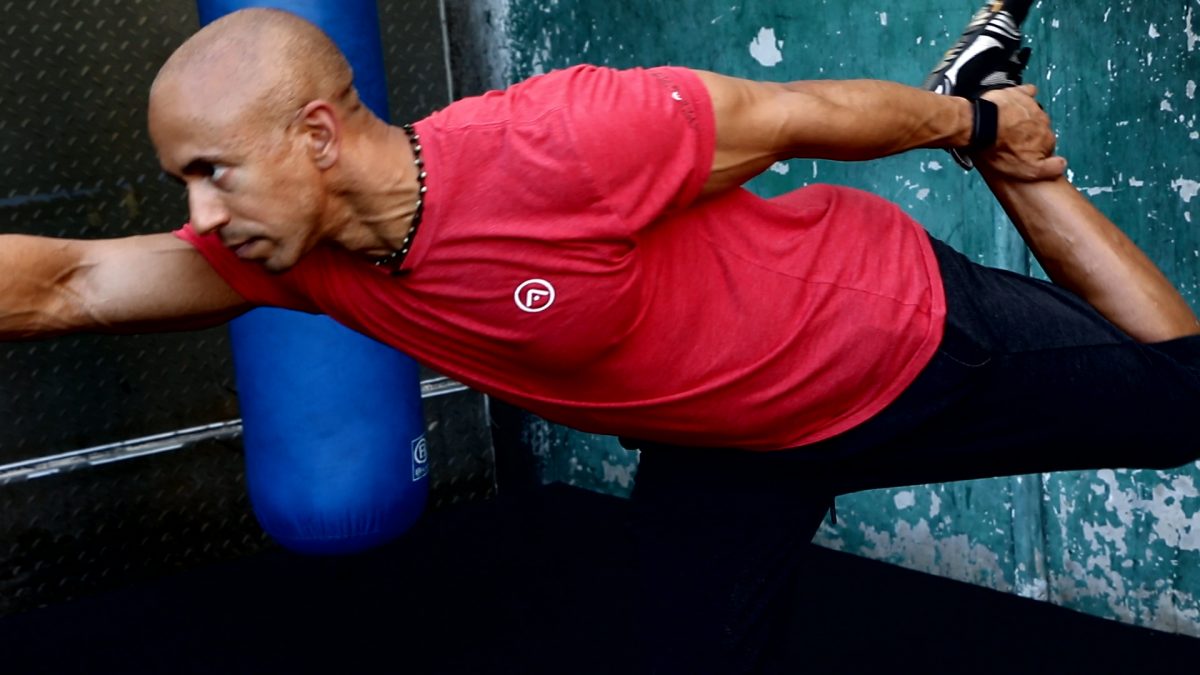
It’s sad but true. I’ve seen too many examples of top athletes who suffer career devastating injuries. I’ve also seen as many examples of high achievers, like you, getting sidelined for the same reason. Don’t...
your must-do pre-activity ritual, part 1
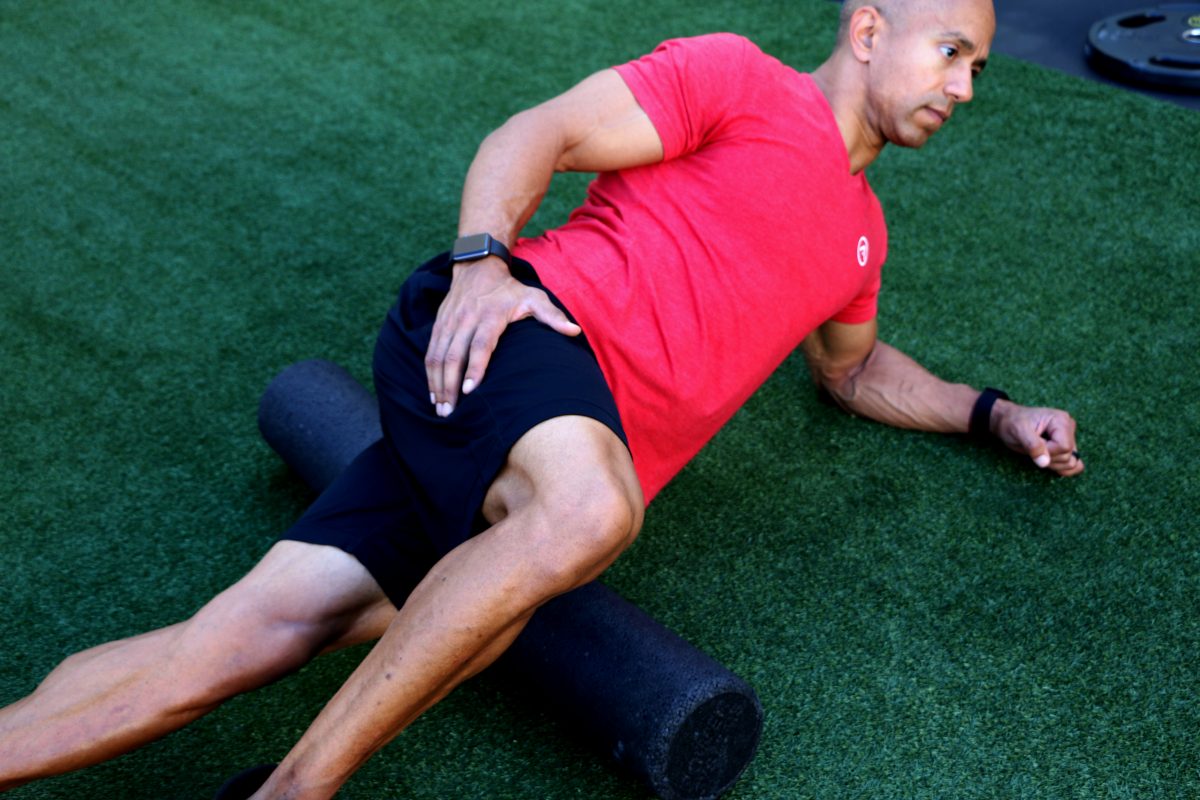
In last week’s message, I shared three nightly stretches for you to try. So how’s it going? Have you started to form a new, body-loving ritual? In a perfect world you’d be batting seven for...
the stretches you should finish with tonight, and every night
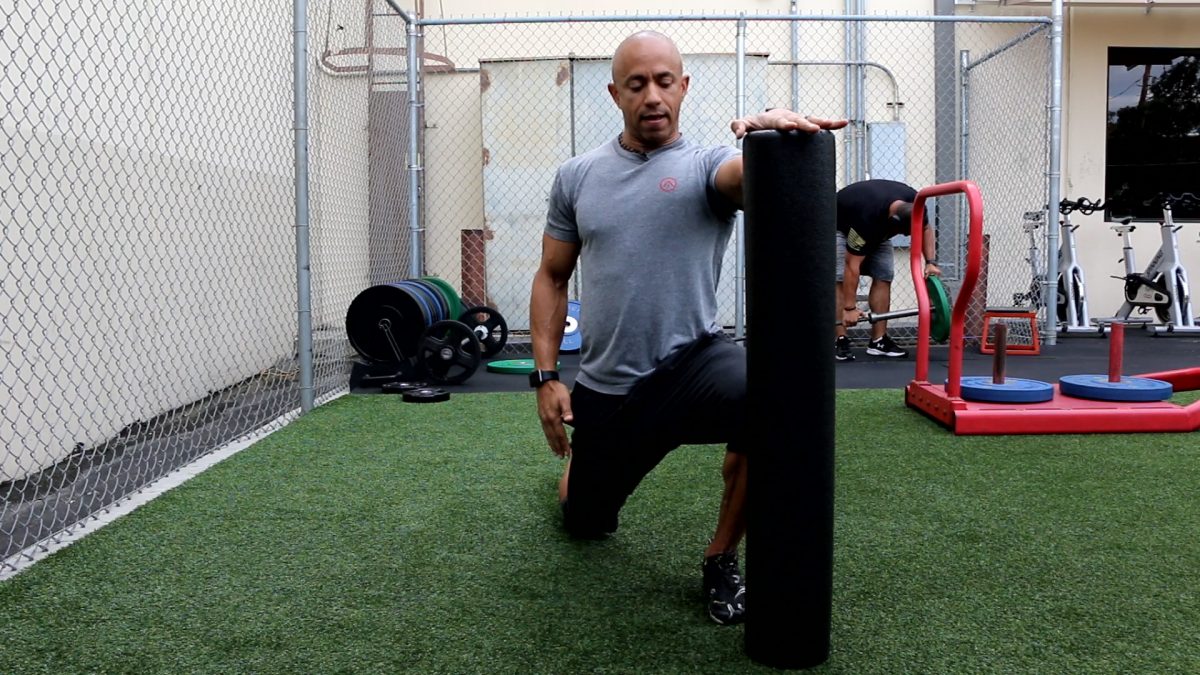
This is quick note from me to you about when and how you should stretch. To start, here are the best times to stretch in IMPROVE your flexibility: Before bed After practice After your workout...
3 ways timing can kill your results
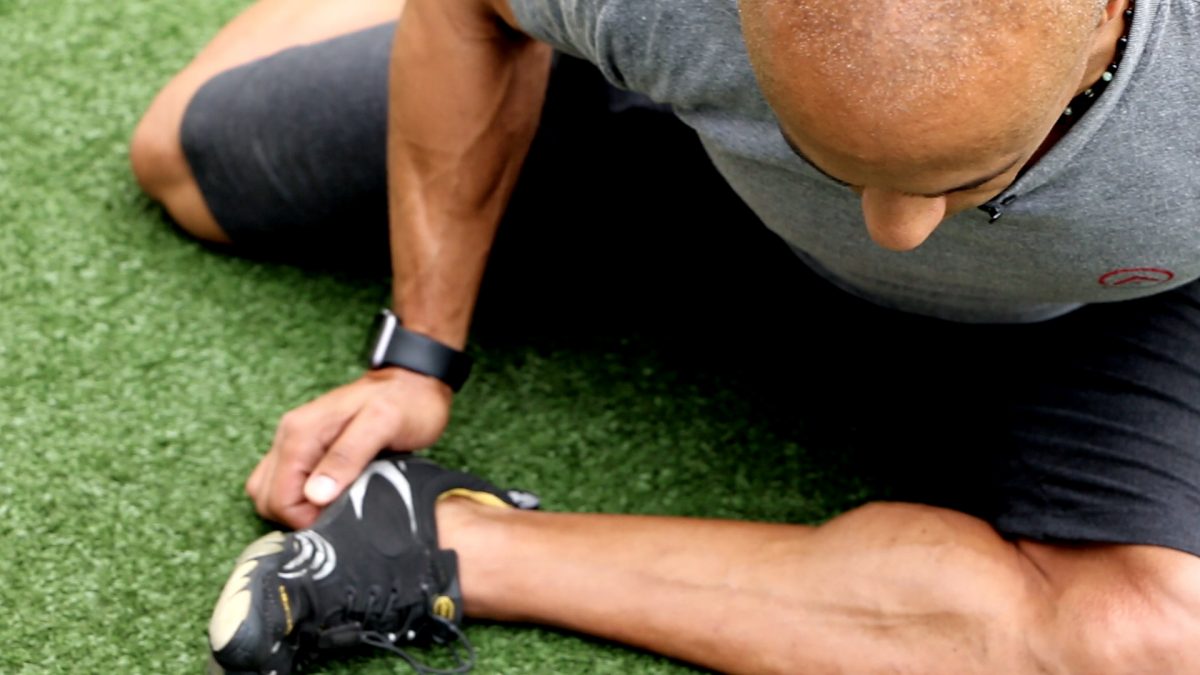
The first question most people have when they start working towards a goal is “how much time it will take?” This is especially true when it comes to fitness, and almost always comes up as...
the 3 worst kinds of resistance exercise
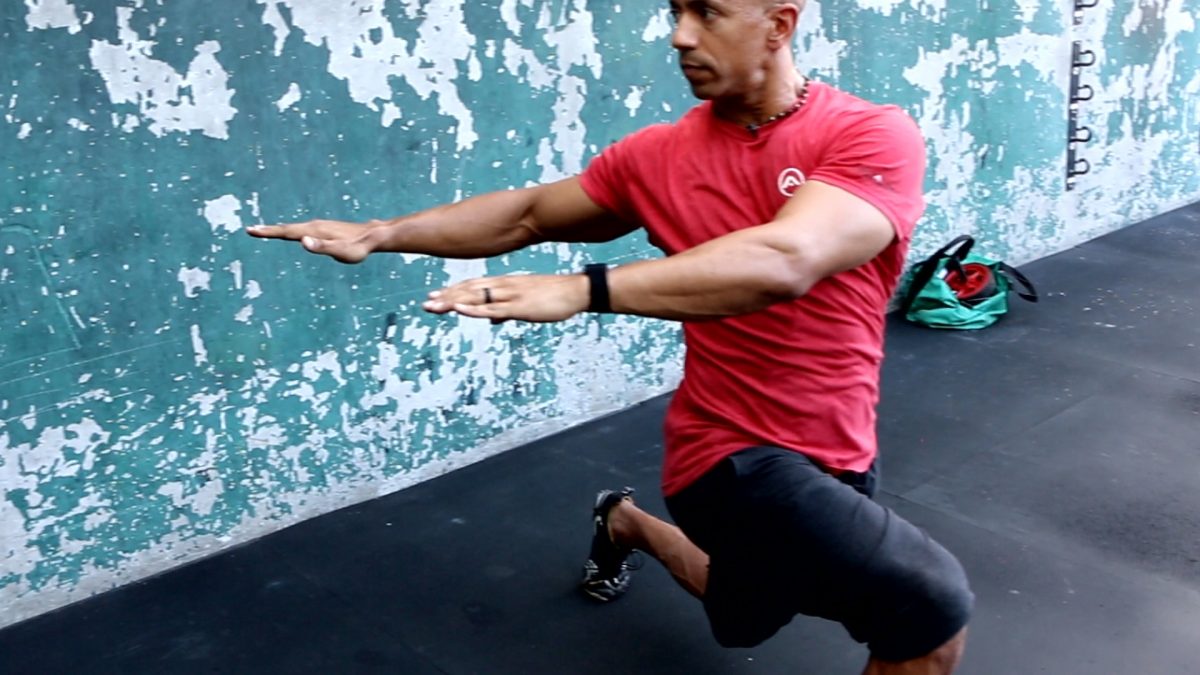
One of my biggest life challenges is time management. My packed schedule means I’m often pressed for time. So when it comes to training, I can’t waste a second on exercises that serve little to...

3 ways to give your age the middle finger
Remember years ago, that age you feared turning? You had a belief that when you reached it, you’d officially be “over-the-hill?” Well, for me that age was 45 which is what I turned today. When...
(Video) Reduce Knee Pain and Prevent Injuries With These 4 Tips I Use On The Pro’s
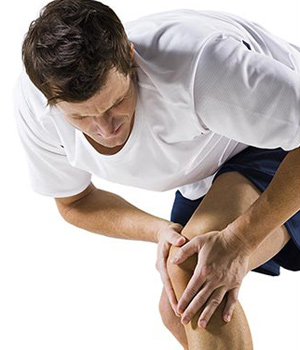
Watching this video will help you to get started down the path of relieving your knee pain, and preventing it in the future. First and foremost Make sure to get evaluated by your physician. If your knee...
(Video) Do NOT Make This Mistake In Building Strength and Speed [how to avoid]
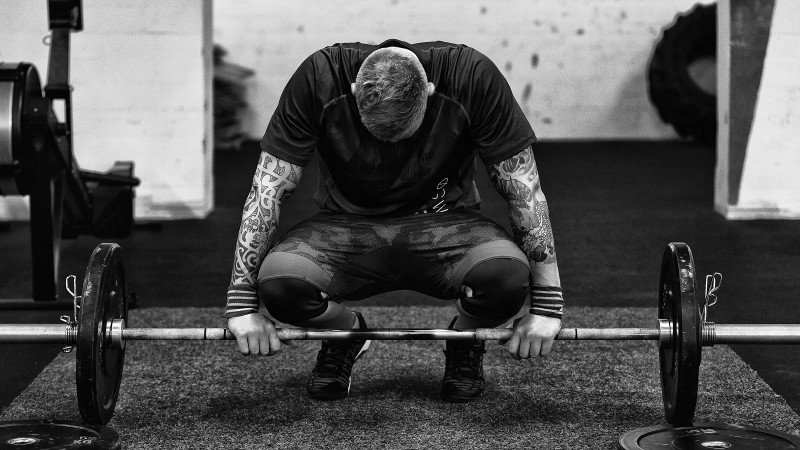
Ignoring the proper functional progression is a recipe for lackluster results, and potential injury 🙁 So if you’ve hit a plateau, or hit some injury road bumps in your strength and speed training, then...
How Chronic Inflammation Will Have A Negative Effect On Recovery, Performance, And Joint Mobility
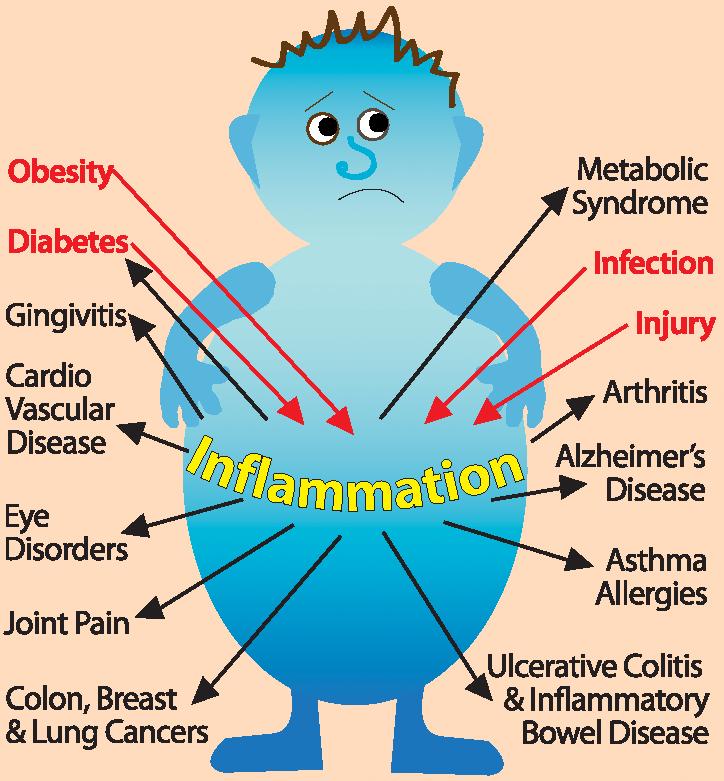
As someone who leads the athletic lifestyle, staying active, agile, and strong is of critical importance. You hit the gym on a regular basis in effort to attain these characteristics and would do just about...

5 Nutritional Steps To Improve Recovery
Looking to get a jump on your recovery? While many athletes put great time and effort into finding the perfect workout program to use, few take the time to consider their recovery. This is a...
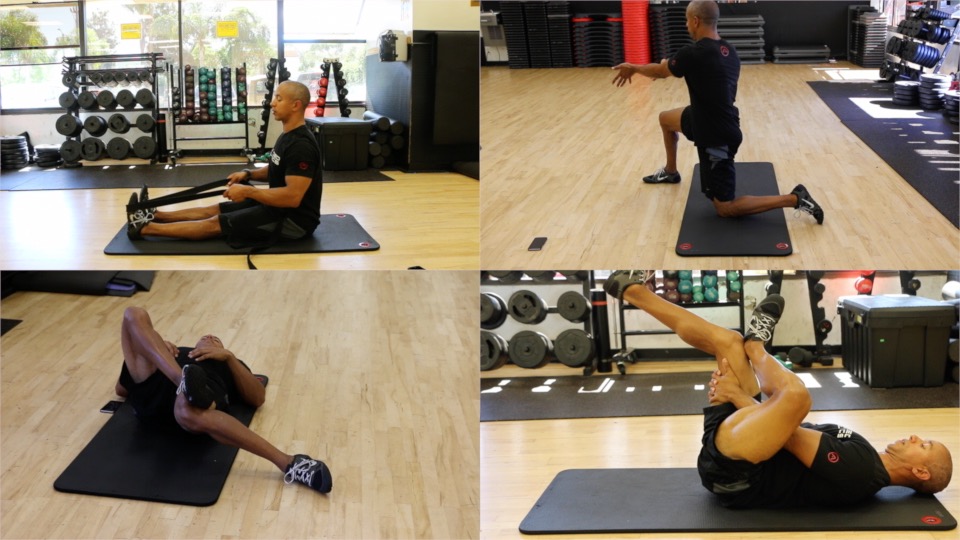
(Video) How To Stretch To Become Stronger, Faster and Pain Free [7 Guidelines]
In the video above I’m going to give you 7 stretching guidelines that will ensure a more effective, efficient and pain-free way to improve your flexibility. Pain-Free Stretching The main take home point of this article...

5 Nutritional Steps To Improve Your Training Performance
When it comes to seeing progress from your workouts, nutrition is easily up to 75% of the game. Get your diet wrong and it won’t matter what you do in the gym, your performance won’t...

Run Twice As Far With No More Pain
If you’re focused on really getting into shape and looking great, then you probably know running to be one of the most effective cardio workouts to get fit and lean. The problem is… if you’re...
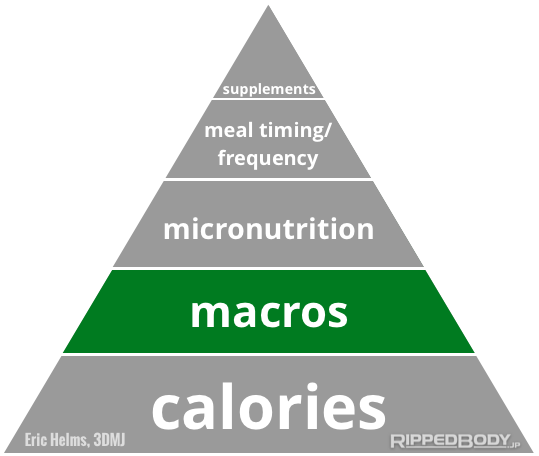
5 Ways To Ensure Your Body Is Getting The Nutrients It Needs
Your standards for yourself are high, so you’ve put the time and energy into reading up on the latest of nutritional practices and are focusing on eating as healthy as possible at least 90% of...
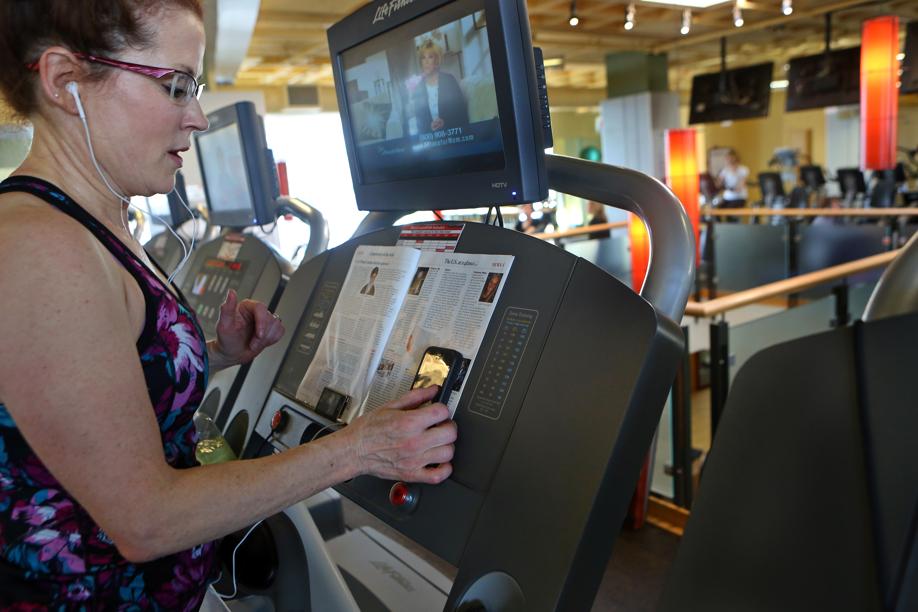
(Video) Do NOT Make This Mistake With Cardio [how to avoid]
In this video I’m going to show you how to avoid a huge mistake with your cardio training. Quality over Quantity The cardiovascular system, like our muscular system, adapts and grows stronger when it’s trained intensely...

Avoid Over Training and Career Ending Injuries With These 5 steps
It’s been said that in life over-ambition can sometimes backfire. This happens often with many athletes and fitness enthusiasts who are so driven about achieving amazing results that they lose themselves in exercise and end...

Training for Sports
One of the key components of success for an athlete is a Strength & Conditioning program focused on performance and prevention. Improving performance is the obvious overall objective in sports. But participating in sports increases...

Get a Higher Jump!
Jump! That’s right, try it. Stand up and jump as high as you can. Yes, right now. How did that feel? Were you able to reach new heights? Do you want to go higher? There...
Circuit Training Fundamentals
by Adam Friedman, CSCS Founder of Advanced Athletics If you are looking for a way to ignite your metabolism, progress your training, challenge yourself, and have fun doing it, then Circuit Training may be the...
Basketball Injury Prevention
Basketball is a highly demanding and competitive sport. Therefore, it is highly stressful to the body, and often leads to injuries related to overuse or contact with the floor or another player. On average almost...
Getting Results? It’s All in the Details…
Whether it is your nutrition or your exercise, paying attention to the details is the difference between mediocre results and excellent results. New clients often ask me why after many years of exercising on their...

The Easiest & Nutritionally Beneficial Solutions for Early Workouts
If you’ve been suffering thru your early morning workouts due to low energy, then it’s safe to say that your results are suffering as well. That’s why it’s so important to fuel properly before your...

How to Eat to Add Lean Muscle
If you want to increase muscular strength for the demands of your sport, or life in general, then the most beneficial way is to create an anabolic (muscle building) environment. This is accomplished through 3...
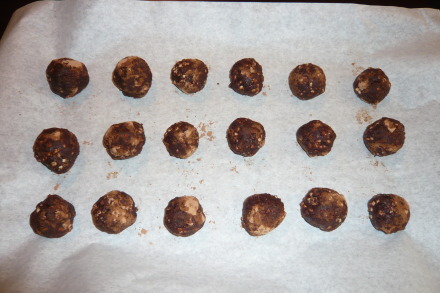
Paleo Brownie Bites with Pops
To honor ‘National Brownie Day’ on December 8th, here’s an amazingly delicious and super easy recipe. INGREDIENTS 1½ cup raw walnut halves ¼ cup cacao powder 1 tsp vanilla extract ¼ tsp fine sea...

Blueberry Cheesecake Smoothie with POPS
Get your blueberry cheesecake fix with this simple smoothie recipe. Ingredients: 1/4 cup Blueberries 1 cup Almond Milk (unsweetened) 1/2 cup Cottage Cheese 1 dash of Stevia (to desired sweetness) 2 scoops Whey Protein Pops...
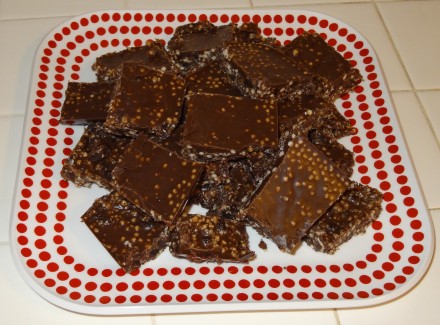
Raw Cacao Bites – Recipe
If you like to spoil yourself and all your friends, then these Raw Cacao Bites will do the trick! Theses treats don’t just taste incredible, but they’re also nutrient dense with superfood ingredients, including Whey...
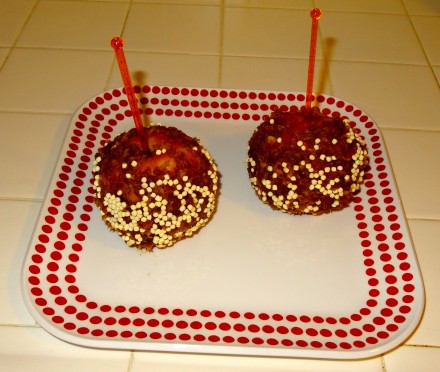
Paleo Caramel Apples with Pops
For your next autumn festivity, try this Paleo Caramel Apple recipe. It’s sure to be a hit for kids of all ages! Protein Bonus The addition of the Whey Protein Pops is like the cherry...
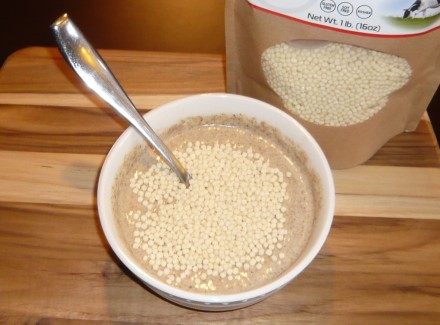
Paleo Oreo Cookie Protein Pudding
I’m finally giving into the demand by my clients, and sharing my recipe for one of my favorite snack treats of all time! At the beginning of every week, I prepare four servings all at...

Strawberry Lemon POPS-sicle
Whenever you’re feeling overheated from an intense workout, or just want a taste of Summer, then frozen popsicles are the perfect recipe…especially when you add strawberries, lemons, and Whey Protein Pops! Check out this quick...
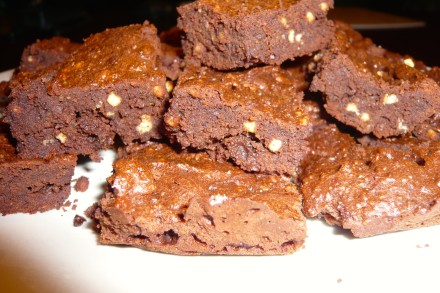
Paleo Brownies with Pops
Duncan Hines Brownies were the staple dessert growing up, and I never grew tired of them as a kid. However, since I’ve made the adult decision to eliminate gluten, processed sugar and grains from my diet,...

Paleo Ice Cream Cake with POPS – Recipe
It is said that no celebration is complete with out a cake. However, even for my own birthdays, I’ve avoided eating cake for years because of the gluten, grains, and high sugar. After all,...

Paleo Blueberry Muffins with Pops
I’ve always had a weakness for blueberry muffins ever since I was a kid. Finally, I can eat them again…guilt free because this recipe is as healthy as can be, and tastes out of this...
Fruit Bowl & Pops
For the longest time before I learned and understood how critical it is to stabilize our blood sugar thru food, I thought that eating a bowl of fruit as a breakfast or snack was a...
Whey Pops Cereal
In the history of cereals, there’s never been a single serving that had the proper ratio of protein to carbohydrates, even with added milk. The imbalance of this traditional grain breakfast leads to an energy...

Nut Butter & Jam – Reboot
The all time favorite classic sandwich with CRUNCHY Whey Protein Pops! The PB&J Reboot I don’t know about you, but from the time I was just a kid, the PB&J was a staple in my...

I’m thru with protein bars 🙁
Hi, it’s Adam here. I learned some really hard and expensive lessons in my first year and half in the protein bar business, as most start-ups would. I’d been warned ahead of time of these...
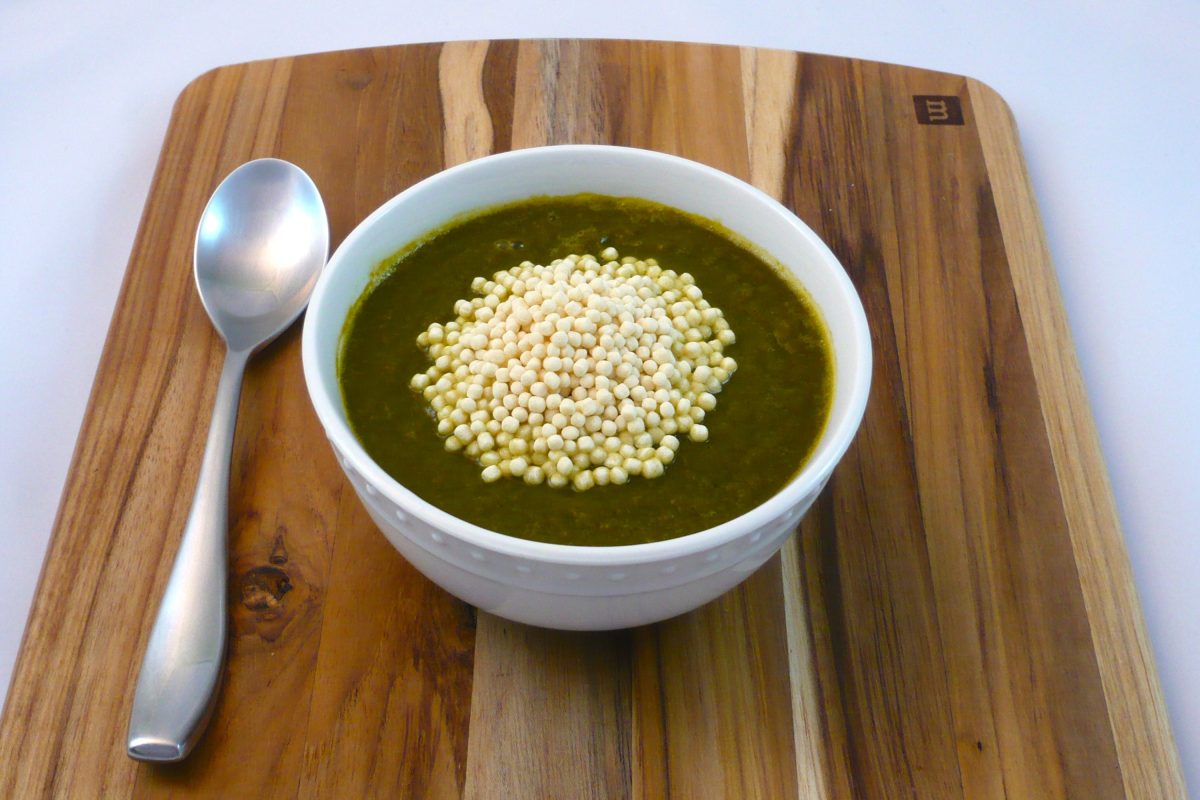
Broccoli and Kale Soup – topped with Whey Protein Pops
Preparation Time: 25 minutes Cooking Time: 35 minutes Servings: 4 This delicious and healthy recipe was created by Celebrity Chef, Marcel Cocit. Ingredients: 4 cups broccoli, florets and stalks, cut into...

Gluten Free Chocolate-Banana Chia Seed Muffins with Whey Protein Pops
Minutes to Prepare: 15 Minutes to Bake: 20 Number of Servings: 12 Celebrity Chef, Marcel Cocit, put together a delicious guilt-free muffin recipe. You’re gonna love them! Ingredients: 1 ¾ cups blanched almond flour ¼...
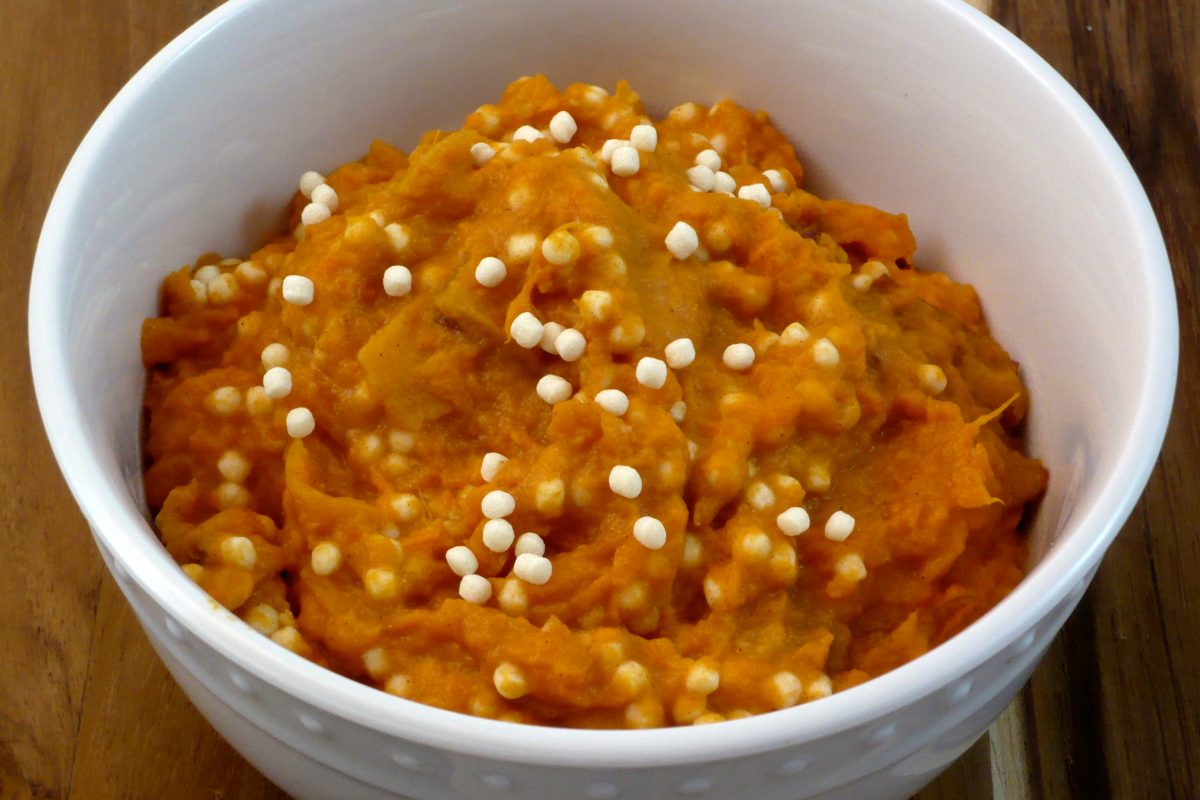
Mashed Sweet Potatoes & Pops Recipe
Minutes to Prepare: 10 minutes Minutes to Cook: 25 minutes Number of Servings: 3-4 Ingredients: 1 lb. sweet potatoes ¼ cup coconut cream 1 tbsp fresh grated ginger (or 1 tsp of ground ginger) ¼ cup...
Adam Friedman – Radio Interview on LA Talk Live – “Here’s To Your Health”
Adam Friedman, founder and CEO of Advanced Athletics, is interviewed by Josh Lane on the LA Talk Live radio network show, “Here’s To Your Health”. They discuss the proper nutrition necessary to support internal balance,...
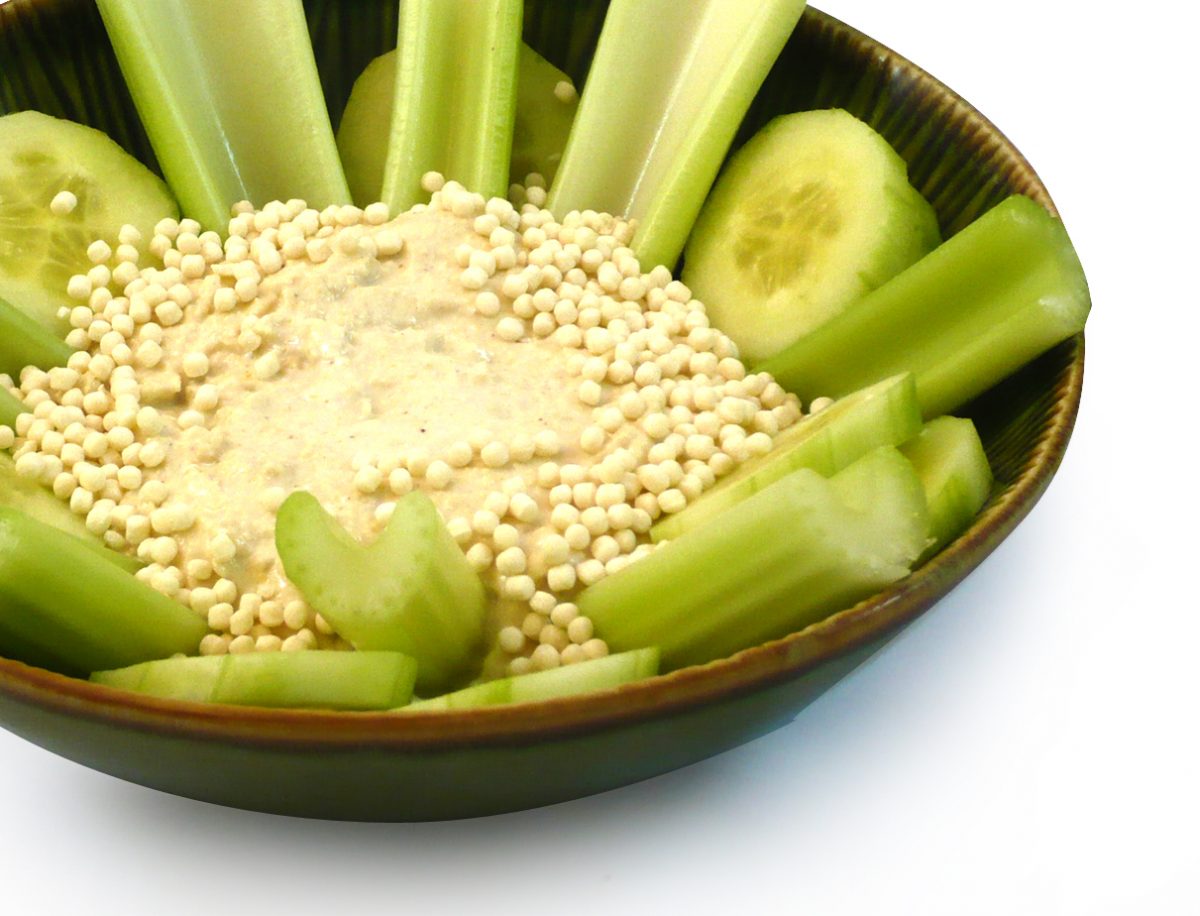
Hummus Dip & Pops
Minutes to Prepare: 10 minutes Minutes to Cook: 0 minutes Number of Servings: 2-3 Ingredients: 1 – 16 oz can of organic sprouted garbanzo beans ¼ cup liquid from can of garbanzo beans 3 to...

Guacamole & Pops
Minutes to Prepare: 10 minutes Minutes to Cook: 0 minutes Number of Servings: 8 Ingredients: 2 Haas avocados 2 tspn. fresh organic lemon or lime juice 1 ripe Roma tomato, seeded, diced ¼ small sweet...
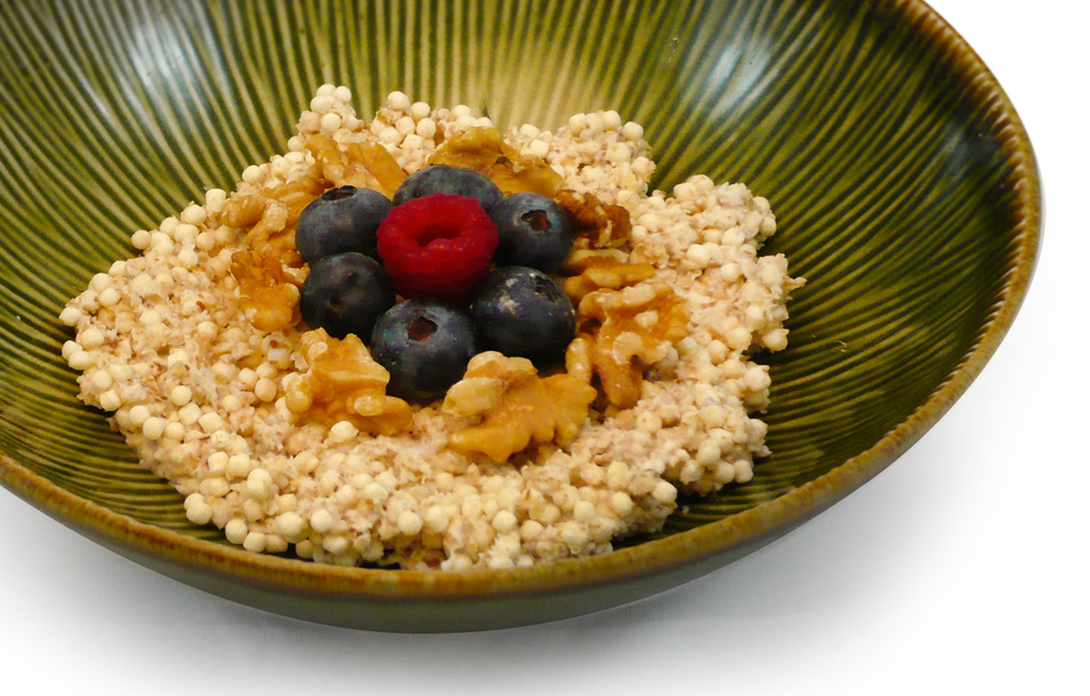
Oatmeal & Pops
Minutes to Prepare: 10 minutes Minutes to Cook: 8 minutes Number of Servings: 1 Ingredients: ¾ oz dry Gluten Free Rolled Oats ½ cup Water 1/8 teaspoon of Pink Salt or Celtic Sea Salt ½...

Yogurt & Pops Parfait
Minutes to Prepare: 2 Minutes to Cook: 0 Number of Servings: 1 Ingredients: 6 oz of Plain Organic Greek or Goat Yogurt ½ teaspoon Organic Vanilla Extract 2 dashes Organic Cinnamon Organic Stevia to desired...

Hot New Product: Gluten-Free Blood Sugar Stabilization Protein Bar
For years I had been really bothered that my clients would train so hard, and then go put crappy nutritional products in their bodies that were being marketed as beneficial. My hope that someday a...

Healthy Meatballs
3lbs of lean ground beef, turkey or turkey breast or ground pork 1 whole onion chopped 1 tsp of minced garlic 1 tbsp of oregano 1 tbsp of basil 3 egg whites 2 25oz jars...
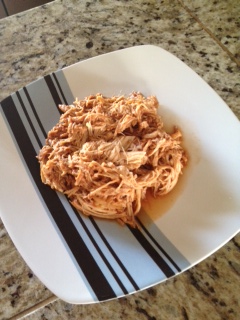
BBQ Crockpot Chicken Breast
3 lbs chicken breast or you could use Tri Tip Roast, London broil or other lean red meat, or pork tenderloin 2 cups sugar free or low sugar ketchup (heinz) 1 1/4 cups water 1/2...
Hex Bar Deadlifts
Adam Friedman, CSCS, CN, founder of Advanced Athletics, Inc. performs deadlifts using a hex bar (a.k.a. “Trap Bar”) in Venice, CA.
Hamstring Negatives
Adam Friedman, Founder of Advanced Athletics, demonstrates hamstring negatives, which is an excellent exercise to develop eccentric strength. In addition, it also greatly challenges the core.
Straight Bar Deadlifts
Adam Friedman, CSCS, CN, founder of Advanced Athletics, Inc. performs deadlifts using a straight bar in Venice, CA.
Box Jumps
Adam Friedman, CSCS, CN and founder of Advanced Athletics, Inc. performs box jumps.
Stability Ball Core Pop-ups
Adam Friedman, CSCS, CN and founder of Advanced Athletics, Inc. performs stability ball pop-ups to demonstrate core strength and stability.
Introducing the “Advanced Athletics Protein Bar” — Become an Affiliate to the Newest Addition to the Venice Nutrition Menu Selection.
I’m proud to introduce the Advanced Athletics Protein Bar as the first product of my sports nutrition line. As a strong believer and practitioner of blood sugar stabilization, and high quality food, my goal was...
Sports Performance
Improve Strength, Speed & Precision Experience World-Class Performance Training for Pro Athletes & Weekend Warriors What do professional athletes like Gabrielle Reece, Arnold Harrison, Clark Haggans, Kerri Kittles, Christi Thoman, Aaron Williams, Lisa Leslie, and...
Danny Granger
Indiana Pacers
Darren Collison
Dallas Mavericks
Jesse Gillespie – US Junior Olympic Water Polo & UC Santa Barbara Water Polo Athlete
Jessie Gillespie, who was on the USC national champion water polo team, talks about his experience working with Adam Friedman and Advanced Athletics.
Corrective Exercise
Manual Therapy is comprised of methods and techniques that support in establishing efficient, and pain free functional movement. The focus is on locating dysfunctions in the musculoskeletal system that most often are the core of...
Gabrielle Reece
Pro-Volleyball Player One of the things I admire about Adam is his sincere passion for his clients well being, and to help them achieve their goals whatever they may be (sports performance, weight loss, great...
Post-Rehabilitation
“With our program you can build confidence while focusing on what you can do!” Advanced Athletics complements your physical therapy as well as provides for your post-rehabilitation needs. Traditional physical therapy clinics are limited to...
Stephani Victor
U.S. Ski Team “Adam, training with you has developed me into a world class athlete (from nothing!) but more importantly a warrior spirit, able to face life’s challenges. I am eternally grateful for the last...
Mental Focus Training
Do you want ultimate focus for training and competition? Advanced Athletics maintains that the way you approach your performance enhancement training is relative to your likelihood to succeed. In the sports world there are many...
Lisa Leslie
Los Angeles Sparks – WNBA “Thanks for the first class service and helping me to achieve all my goals!” Plays basketball for the Los Angeles Sparks in the WNBA. Currently she is the WNBA all...
Sean Burroughs
Arizona Diamondbacks
Derek Glasser
Arizona State Basketball – NCAA
Kareem Jamar
Montana Grizzlies
Arnold Harrison
Pittsburgh Steelers – NFL “Adam has opened me up to a whole new world of physical health. I can never repay him for what he has done for my career!!! Thanks for helping my dreams...
Clark Haggans
Arizona Cardinals – NFL
“Adam, thanks for all you help and getting me right.”
Jesse Gillespie
UC Santa Barbara Water Polo
Austin Croshere
Golden State Warriors – NBA
“Thank you for helping me to achieve my potential!”
Kerry Kittles
New Jersey Nets – NBA
“Thank you for taking my career to another level. I love your approach to training and I’ve never been pushed as hard. Thanks.”
Announcing Fitness Jumpstart


Aaron Williams
Los Angeles Clippers – NBA
Exercise 101: Learning the basics of being F.I.T.
In order to make the improvements you want to see in your body, performance, and energy, it takes challenging yourself to work harder than you’ve been accustomed to. Keeping in mind that your body, as...
How to choose a workout (Part 3)
Fitness Goal & Commitment Level Flow Charts: (time is based on % of time during a 90 minute workout session) Chart Definitions: Goals: The list below represents common fitness goals. Some are closely related and will...
How to choose a workout (Part 2)
Part II: Know your goals I. General Health A. Represents prevention of some common, or hereditary health risk factors such as: Dying prematurely Dying from heart disease Developing diabetes Developing high blood pressure Developing colon cancer...
How to choose a workout (Part 1)
Part I. First take a look at what you have been doing the past three months and slowly integrate the following principles in discovering what is the next step in your fitness lifestyle. Frequency: This is the...
Envisioning your Health & Fitness
What is your vision for health and fitness? Is it sharp and in focus? Do you have one at all? It is this single vision that will empower you to achieve it and make an...
Making it All Work
Do you ever feel like you are tipping the scale in more ways than one? Overwhelmed? Too much work and social obligation, and then before you know it, you’re heading in a downwards spiral of...
Consistent Health & Fitness
By Adam Friedman, CSCS, CN, CMT Founder of Advanced Athletics Whatever your fitness goals, be confident that you can accomplish them over time with consistency and a solid game plan. “Taking it one day...
Taking Care of Your Hard Working Muscles
Living an active lifestyle is what our bodies crave, as we are designed to move freely and dynamically. Along with exercise, it is important to have a balance of nutrition, supplementation, and sleep. These simple...
Christi Thomas
Los Angeles Sparks – WNBA My experience with Advanced Athletes has been a very positive one. I have learned how to be aware of my body so that I can prevent injury and see improvement. ...
Alexandra Stevenson
Tennis Pro – WTA
Francisco Bueno
Heavy Weight World Champion MMA Fighter “Thanks Adam for being the best trainer ever, and being a great friend!! I can wrestle, box, and train jiu-jitsu perfectly, but without the training we do, it’s like...
Get Motivated!
The key to achieving your fitness goals is to maintain consistent nutrition and training habits. But it’s easy to let your routine slip, fall into a “slump”, or lose motivation. A fitness action plan will...
Six Tips: How Do I Eat at Restaurants & Not Get Fat?
“How do I eat out at restaurants correctly?” This is one of the most common questions that people have when they find out I’m a nutritionist. Here are my 6 quick tips below, for all...
Ten Tips: How To Burn Belly Fat
“How do I get rid of belly fat?” If I had a dime for every time someone asked me this, I’d be the richest trainer and nutritionist in Venice. And the truth about burning belly...
Bust Through Plateaus With Circuit Training – Part 2
Want to know how to quickly break through fitness plateaus and see major progress from your workouts? Check out Part 1 of our Circuit Training series, then use the information below to construct your own...
Bust Through Plateaus With Circuit Training – Part 1
You’ve been working a smart strength training routine, challenging your body with a variety of cardio exercises, and yet you’ve hit a dreaded plateau anyway. Why does this happen, even when you follow fitness best...
Ask a Trainer: How to Boost Metabolism as you Age
Linda asks, “How do I boost metabolism as I age?” Aging does naturally slow the body’s metabolic function if you don’t make conscious efforts to boost your metabolism through proper nutrition and sufficient physical activity....
How to Banish Sugar Cravings
The first job of any nutritionist is to identify the reasons for a craving or unhealthy eating habit. In the case of sugar binging, it could be: Not eating properly, which results in low blood...
Water Polo Champ Jesse Gillespie
Hear why Jesse loves personal training with Advanced Athletics to get in peak physical condition for his sport: Thanks Jesse! If you want to excel at whatever you love to do, contact us using the...
5 Fitness Myths That Are Holding You Back
When it comes to health and fitness, a lot of what’s considered “common knowledge” is actually untrue. Are you wasting time and energy on fitness myths? Find out below: 1. You have to drink 8...
Feel-Good Stretching
Would you stretch more often if it didn’t result in pain and discomfort? When I see clients for personal training in Santa Monica, many of them (especially men!) report that they avoid stretching because it...
Test Your Cardio IQ
When doing personal training in Santa Monica, I see many people doing tons of cardio without really understanding the function and potential of cardiovascular exercise. I often hear, “I do cardio so I can eat...
Advanced Athletics in Us Weekly!
The results are in for Us Weekly and Gold Gym’s 2nd Annual Hollywood’s Hottest Bodies Awards, and women voted Kate Middleton as having the most desirable abs. So Us Weekly asked me to tell their...
What’s Manual Therapy? A Beginner’s FAQ
Here at Advanced Athletics, many of our personal training clients also receive regular Manual Therapy. Lots of people who haven’t had this type of therapeutic work ask me about it’s practice and benefits. So today...
Avoid Overreaching & Get Better Results
Since my office is located at bodybuilding mecca Golds Gym Venice, I often observe some of the gym’s most die-hard fitness fanatics suffering from a common syndrome: overreaching. Overreaching doesn’t just make you feel chronically...
3 Nutrition Essentials for Building Lean Muscle
Gaining muscle is something that I’ve had to work hard at my entire life. My genetics simply don’t predispose me toward having tons of muscle mass. So I understand how hard it can be for...
Pro Footballer Loves Advanced Athletics
Pittsburgh Steelers linebacker and member of the Advanced Athletics family Arnold Harrison comes to sunny California to train with me during off-season. “I come here every summer for a piece of mind,” he says. I’m...
Sean Burroughs Testimonial
Sean Burroughs from the Arizona Diamondbacks gives a testimonial for Advanced Athletics located right next to Gold’s Gym in Venice, California.
Mix it up and get more ENERGY!
As a nutritionist in Venice, I see many clients who do cardiovascular exercise so they can eat and drink whatever they want and continue to look good. But what if you learned you could be...
Isometric Stretch for lower back in 30-60 seconds!
Does your lower back hurt you at different times of the day? As a personal trainer in Venice, I constantly meet people of all ages who are suffering from lower back pain. If this describes you,...
Understanding VO2
There are lots of ways that I can measure a new client’s fitness level. The method that I’ve found is the most accurate and scientifically advanced is VO2 cardiovascular assessment. But not many people understand...
Refer A Friend & Get Fit For Less!
It takes a village to build a business, and here at Advanced Athletics we’ve been lucky to have a loyal network of clients and friends who recommend us to their friends who want to get...
A Simple Santa Monica Stairs Workout
If you’re looking to take your conditioning to the next level, doing a Santa Monica stairs workout is an excellent way to challenge yourself. At 170 stairs per flight, it’s the kind of workout that...
Cardio That Works
There’s a lot of talk in the personal training Santa Monica community about weight training versus cardio. The truth is that both forms of exercise are both are important components for achieving peak performance and...
Nutrition Consulting
Advanced Athletics wanted to provide its members with the best in the nutrition and fitness industry, which is why we partnered with The Venice Nutrition System. You will learn how to achieve permanent results by...
Personal Training
Santa Monica – Venice – In-Home Advanced Athletics’ innovative, results-driven personal training programs are based on founder Adam Friedman’s knowledge and experience, gained over more than a decade in the field of strength and conditioning....
Change Your Life With Body Confidence
Body confidence will change your life. But I’m not talking about regular old body confidence. I’m talking about Body Confidence, the new bestselling book by our good friend and mentor Mark MacDonald of Venice Nutrition....
Highly Effective Methods of Stretching
Hi, Adam here, when was the last time that you felt so light on your feet and free enough in your body to run up a flight of stairs without hesitation? If it’s been a...
Guidelines for Better Stretching
Hi, it’s Adam…would you stretch more often if it weren’t so painful? For many of us, the major deterrent to making stretching a habit has been the immediate pain or high level of discomfort felt...
Stretching 101
Hi, Adam here, if you Include just 15-20 minutes of stretching each day you can create a dramatic improvement in how you look, feel, and perform everyday. However, making the time to stretch has generally...
Isometric Stretch – Ilio-psoas
Kinesiologist, Personal Trainer, and Nutritionist Adam Friedman, CSCS, CN, CMT, and founder of Advanced Athletics show you how to perform Read More
Isometric Stretch – Deep Glute
Kinesiologist, Personal Trainer, and Nutritionist Adam Friedman, CSCS, CN, CMT, and founder of Advanced Athletics show you how to perform Read More
Dynamic Stretching – Hip Flexors
Kinesiologist, Personal Trainer, and Nutritionist Adam Friedman, CSCS, CN, CMT, and founder of Advanced Athletics show you how to perform Read More
Dynamic Stretching – Adductor and Hips
Kinesiologist, Personal Trainer, and Nutritionist Adam Friedman, CSCS, CN, CMT, and founder of Advanced Athletics will show you how to Read More
Dynamic Stretch – Walking Knee Grab
Kinesiologist, Personal Trainer, and Nutritionist Adam Friedman, CSCS, CN, CMT, and founder of Advanced Athletics shows you how to perform Read More
Active Isolated Stretching – Quadriceps
Kinesiologist, Personal Trainer, and Nutritionist Adam Friedman, CSCS, CN, CMT, and founder of Advanced Athletics show you how to perform Read More
Active Isolated Stretching – Soleus (lower calf muscle)
Kinesiologist, Personal Trainer, and Nutritionist Adam Friedman, CSCS, CN, CMT, and Founder of Advanced Athletics show you how to perform Read More
Active Isolated Stretching – Gastrocnemius
Kinesiologist, Personal Trainer, and Nutritionist Adam Friedman, CSCS, CN, CMT, and Founder of Advanced Athletics shows you how to perform Read More
Active Isolated Stretching – Straight Leg Hamstring
Kinesiologist, Personal Trainer, and Nutritionist Adam Friedman, CSCS, CN, CMT, and Founder of Advanced Athletics will show you how to Read More
Active Isolated Stretching – Bent Knee Hamstring
Kinesiologist, Personal Trainer, and Nutritionist Adam Friedman, CSCS, CN, and founder of Advanced Athletics, will show you how to perform Read More
Happy New Year!! 5-Step Fitness Action Plan for 2011
Happy New Year!! Adam here, have you ever thought that you could be more fit now if only you had been following a structured plan to reach your goal? Are you tired of squandering opportunity...
Fitness Jump Start (Webisode #30) “After I Reach My Goal, How Do I Keep My Motivation?”
Hi, Adam here. In this video I’m going to show you how to stay motivated, even after you accomplish your fitness goal. Once you watch this video you’ll see that reestablishing a powerful goal, and...
Fitness Jump Start (Webisode #30) “After I Reach My Goal, How Do I Keep My Motivation?”
Kinesiologist, Personal Trainer, and Nutritionist Adam Friedman, CSCS, CN, and founder of Advanced Athletics, gives, as a part of a Read More
Fitness Jump Start (Webisode #29) “What Makes a Good Protein Powder?”
Hi, Adam here. In this video I’m going to show you how to make the best choice when purchasing a protein powder as a supplement . Once you watch this video you’ll see that the...
Fitness Jump Start (Webisode #29) “What Makes a Good Protein Powder?”
Kinesiologist, Personal Trainer, and Nutritionist Adam Friedman, CSCS, CN, and founder of Advanced Athletics, gives, as a part of a Read More
Fitness Jump Start (Webisode #28) “How Do I Get Rid of Belly Fat?
Hi, Adam here. In this video I’m going to show you 10 simple tips to lose belly fat . Once you watch this video you’ll see that fat loss is a holistic process, and we...
Fitness Jump Start (Webisode #28) “How Do I Get Rid of Belly Fat?”
Kinesiologist, Personal Trainer, and Nutritionist Adam Friedman, CSCS, CN, and founder of Advanced Athletics, gives, as a part of a Read More
Fitness Jump Start (Webisode #27) “Where Can I Stop for a Quick Meal or Snack?”
Hi, Adam here. In this video I’m going to show you some helpful tips to find and put together, quick, healthy, and balanced meals or snacks when on the road. Once you watch this video...
Fitness Jump Start (Webisode #27) “Where Can I Stop for a Quick Meal or Snack?”
Kinesiologist, Personal Trainer, and Nutritionist Adam Friedman, CSCS, CN, and founder of Advanced Athletics, gives, as a part of a Read More
Fitness Jump Start (Webisode #26) “How Do I Eat Better After the Age of 40?”
Hi, Adam here. In this video I’m going to show you some helpful tips to eat better after the age of 40. Once you watch this video you’ll see that building a solid health structure...
Fitness Jump Start (Webisode #26) “How Do I Eat Better After the Age of 40?”
Kinesiologist, Personal Trainer, and Nutritionist Adam Friedman, CSCS, CN, and founder of Advanced Athletics, gives, as a part of a Read More
Fitness Jump Start (Webisode #25) “When is a Safe Time for Me to Incorporate Plyometrics Into My Routine?”
Hi, Adam here. In this video I’m going to show you some helpful tips to better understand plyometrics, and to be sure your body is ready to start to incorporate them into your workout regimen....
Fitness Jump Start (Webisode #25) “When is a Safe Time for Me to Incorprate Plyometrics?”
Kinesiologist, Personal Trainer, and Nutritionist Adam Friedman, CSCS, CN, and founder of Advanced Athletics, gives, as a part of a Read More
Fitness Jump Start (Webisode #24) “How Do I Lose Those Last 10 lbs. and Keep the Muscle?”
Hi, Adam here. In this video I’m going to show you some helpful tips to fine tune your regimen to lose those last few pounds. Once you watch this video you’ll see that putting together...
Fitness Jump Start (Webisode #24) “How Do I Lose Those Last 10 lbs and Keep the Muscle?”
Kinesiologist, Personal Trainer, and Nutritionist Adam Friedman, CSCS, CN, and founder of Advanced Athletics, gives, as a part of a Read More
Fitness Jump Start (Webisode #23) “How Do I Eat Out At Restaurants Correctly?”
Hi, Adam here. In this video I’m going to show you some helpful tips to make the best decisions when at restaurants so that you can stay healthy and fit. Once you watch this video...
Day 23 Fitness Jump Start (Webisode #23) “How Do I Eat Out At Restaurants Correctly?”
Kinesiologist, Personal Trainer, and Nutritionist Adam Friedman, CSCS, CN, and founder of Advanced Athletics, gives, as a part of a Read More
Fitness Jump Start (Webisode #22) “Why Do I Get Bloated After Eating?”
Hi, Adam here. In this video I’m going to show you some helpful tips reduce general bloating. Once you watch this video you’ll see that there can be a variety of reasons for bloating and...
Fitness Jump Start (Webisode #22) “Why Do I Get Bloated After Eating?”
Kinesiologist, Personal Trainer, and Nutritionist Adam Friedman, CSCS, CN, and founder of Advanced Athletics, gives, as a part of a 30-Day Fitness Jump Start series, some helpful tips to reduce general bloating or gas as...
Fitness Jump Start (Webisode #21) “What Do I Do When I Hit a Plateau, and I Want to Get Ripped?”
Hi, Adam here. In this video I’m going to show you some helpful tips to overcome a fitness plateau, and get a lean body. Once you watch this video you’ll see that cleaning up your...
Fitness Jump Start (Webisode #21) “What Do I Do When I HIt a Plateau?
Kinesiologist, Personal Trainer, and Nutritionist Adam Friedman, CSCS, CN, and founder of Advanced Athletics, gives, as a part of a 30-Day Fitness Jump Start series, some helpful tips to move above your plateau to get...
Fitness Jump Start (Webisode #20) “What Can I Do to Stay Away From Gluten?”
Hi, Adam here. In this video I’m going to show you some helpful tips eliminate or reduce the amount of gluten in your diet. Once you watch this video you’ll see that understanding what foods,...
Fitness Jump Start (Webisode #20) “What Can I Do to Avoid Eating Gluten?”
Kinesiologist, Personal Trainer, and Nutritionist Adam Friedman, CSCS, CN, and founder of Advanced Athletics, gives, as a part of a 30-Day Fitness Jump Start series, some helpful tips to choose gluten-free food items to support...
Fitness Jump Start (Webisode #19) “What Are Some Ways to Get Consistency Back With Lifting Weights?”
Hi, Adam here. In this video I’m going to show you some helpful tips to make lifting weights a consistent part of your exercise regimen. Once you watch this video you’ll see that creating greater...
Fitness Jump Start (Webisode #19) “How Do I Get My Consistency Back With Lifting Weights?”
Kinesiologist, Personal Trainer, and Nutritionist Adam Friedman, CSCS, CN, and founder of Advanced Athletics, gives, as a part of a 30-Day Fitness Jump Start series, some helpful tips to keep to your commitment of lifting...
Fitness Jump Start (Webisode #18) “What Are the Best Grains, Proteins, and Fats to Fuel the Body?”
Hi, Adam here. In this video I’m going to show you some helpful tips to choose the best foods to fuel the body. Once you watch this video you’ll see that incorporating a variety of...
Fitness Jump Start (Webisode #18) “What Are the Best Grains, Proteins, and Fats to Fuel the Body?”
Kinesiologist, Personal Trainer, and Nutritionist Adam Friedman, CSCS, CN, and founder of Advanced Athletics, gives, as a part of a 30-Day Fitness Jump Start series, some helpful tips to incorporate higher quality foods into your...
Fitness Jump Start (Webisode #17) “Is It Ok to Work My Abs Everyday?”
Hi, Adam here. In this video I’m going to show you some helpful tips to get the most from your abdominal training. Once you watch this video you’ll see that incorporating a variety of multi-planar...
Fitness Jump Start (Webisode #17) “Is it Ok to Train My Abs Everyday?”
Kinesiologist, Personal Trainer, and Nutritionist Adam Friedman, CSCS, CN, and founder of Advanced Athletics, gives, as a part of a 30-Day Fitness Jump Start series, some helpful tips to improve your abdominal training regimen.
Fitness Jump Start (Webisode #16) “How Do I Boost My Metabolism As I Age?”
Hi, Adam here. In this video I’m going to show you some helpful tips to implement, which will promote a faster metabolism. Once you watch this video you’ll see that balanced nutrition, and the right...
Fitness Jump Start (Webisode #16) “How Do I Boost My Metabolism as I Age?”
Kinesiologist, Personal Trainer, and Nutritionist Adam Friedman, CSCS, CN, and founder of Advanced Athletics, gives, as a part of a 30-Day Fitness Jump Start series, some helpful tips to speed up your metabolism in a...
Fitness Jump Start (Webisode #15) “How Do I Avoid Eating the Bread at Restaurants?”
Hi, Adam here. In this video I’m going to show you some helpful tips to curb your hunger, and avoid eating the bread at restaurants. Once you watch this video you’ll see that eating a...
Fitness Jump Start (Webisode #15) “How to Avoid Eating the Bread at Restaurants”
Kinesiologist, Personal Trainer, and Nutritionist Adam Friedman, CSCS, CN, and founder of Advanced Athletics, gives, as a part of a Read More
Fitness Jump Start (Webisode #14) “I Have A Chocolate Addiction, What Do I DO?”
Hi, Adam here. In this video I’m going to show you some helpful tips to overcome a chocolate addiction. Once you watch this video you’ll see that reducing consumption slowly along with building a solid...
Fitness Jump Start (Webisode #14) “I Have a Chocolate Addiction, What do I do?”
Kinesiologist, Personal Trainer, and Nutritionist Adam Friedman, CSCS, CN, and founder of Advanced Athletics, gives, as a part of a 30-Day Fitness Jump Start series, some helpful tips in overcoming an addiction to chocolate.
Fitness Jump Start (Webisode #13) “What’s the Best Way to Take Care of Knee and Ankle Pain?”
Hi, Adam here. In this video I’m going to show you some helpful tips to address and manage knee and ankle pain. Once you watch this video you’ll see that taking immediate action to get...
Fitness Jump Start (Webisode #13) “What’s the best way to take care of knee and ankle pain?”
Kinesiologist, Personal Trainer, and Nutritionist Adam Friedman, CSCS, CN, and founder of Advanced Athletics, gives, as a part of a 30-Day Fitness Jump Start series, some helpful tips in addressing and managing knee and ankle...
Fitness Jump Start (Webisode #12) “What Are the Pros and Cons to a Fasting Diet?”
Hi, Adam here. In this video I’m going to show you some helpful tips to better understand potential benefits as well as negative effects of fasting. Once you watch this video you’ll see that taking...
Fitness Jump Start (Webisode #12) “What Are the Pros and Cons to a Fasting Diet?”
Kinesiologist, Personal Trainer, and Nutritionist Adam Friedman, CSCS, CN, and founder of Advanced Athletics, gives, as a part of a 30-Day Fitness Jump Start series, some helpful tips in understanding the pros and cons of...
Fitness Jump Start (Webisode #11) “How Do I Make Changes in My Body When I Have Physical Restrictions and Injuries?”
Hi, Adam here. In this video I’m going to show you some helpful tips on the best way to approach making changes in your body while you have physical restrictions and injuries. Once you watch...
Fitness Jump Start (Webisode #11) “How to Make Changes in the Body While Being Injured”
Kinesiologist, Personal Trainer, and Nutritionist Adam Friedman, CSCS, CN, and founder of Advanced Athletics, gives, as a part of a 30-Day Fitness Jump Start series, some helpful tips in making changes in your body when...
Fitness Jump Start (Webisode #10) “How Do I Get Out of My Comfort Zone, and Get Committed to Doing Preventative Exercises?”
Hey, Adam here. In this video I’m going to show you some helpful tips break out of your comfort zone, and implement preventative exercises into your workout regimen. Once you watch this video you’ll see...
Fitness Jump Start (Webisode #10) “Making The Commitment to Prevention”
Kinesiologist, Personal Trainer, and Nutritionist Adam Friedman, CSCS, CN, and founder of Advanced Athletics, gives, as a part of a 30-Day Fitness Jump Start series, some helpful tips in making the commitment to doing preventative...
Fitness Jump Start (Webisode #9) “How Do I Stop Those Intense Sugar Cravings?”
Hey, Adam here. In this video I’m going to show you some helpful tips to reduce sugar cravings. Once you watch this video you’ll see that that having proper nutrition, adequate sleep, and a daily...
Fitness Jump Start (Webisode #9) “How Do I Stop Intense Sugar Cravings?”
Kinesiologist, Personal Trainer, and Nutritionist Adam Friedman, CSCS, CN, and founder of Advanced Athletics, gives, as a part of a 30-Day Fitness Jump Start series, some helpful tips in preventing sugar cravings.
Fitness Jump Start (Webisode #8) “How Can I Make A Serious Body Transformation?”
“Hey, Adam here. In this video I’m going to show you some helpful tips to incorporate into your fitness outlook to support you in achieving your physical potential . Once you watch this video you’ll...
Fitness Jump Start (Webisode #8) “How Do I Make a Serious Body Transformation?”
Kinesiologist, Personal Trainer, and Nutritionist Adam Friedman, CSCS, CN, and founder of Advanced Athletics, gives, as a part of a 30-Day Fitness Jump Start series, some helpful tips in achieving the physical results you desire.
Fitness Jump Start (Webisode #7) “How Can I Reduce the Risk or Severity of Injuries, Disease, and Other Things That Affect the Quality of Life As I Age?”
“Hey, Adam here. In this video I’m going to show you some helpful suggestions on how to achieve a better quality of life as you age by reducing the risk or severity of injuries, disease,...
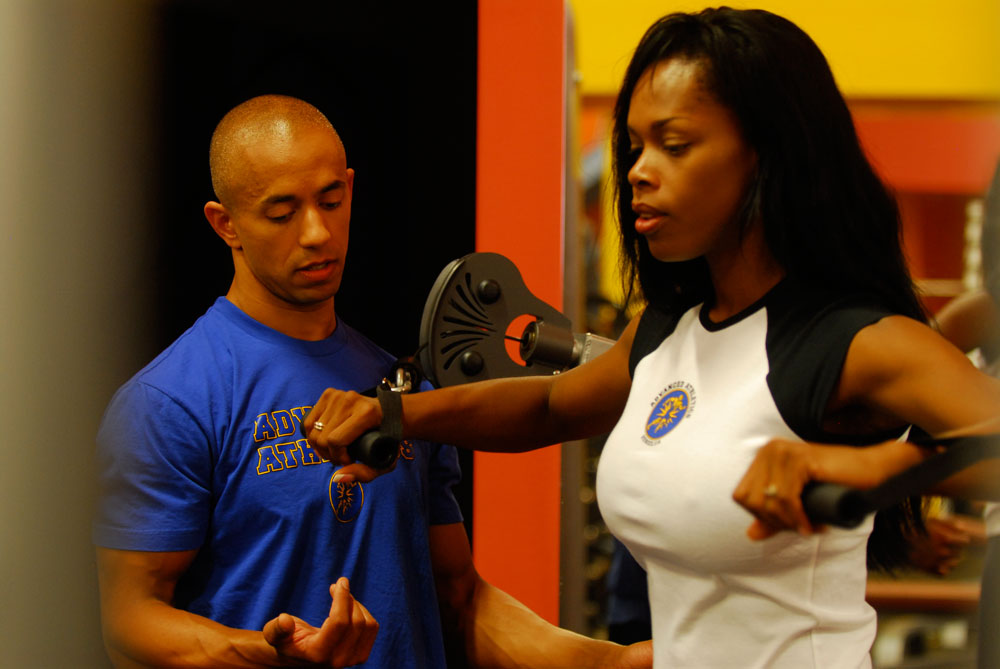
Fitness Jump Start (Webisode #7) Reducing Risk Factors that Can Come With Aging
Kinesiologist, Personal Trainer, and Nutritionist Adam Friedman, CSCS, CN, and founder of Advanced Athletics, gives, as a part of a 30-Day Fitness Jump Start series, some helpful suggestions to reduce the likelihood or severity of...
Fitness Jump Start (Webisode #6) “How Can I Get A Full Body Workout Outdoors?”
“Hey, Adam here. In this video I’m going to show you some helpful suggestions on how to achieve a full body workout in the great outdoors. Once you watch this video you’ll see all of...
Fitness Jump Start (Webisode #6) “How Can I Get A Total Body Workout Outdoors?”
Kinesiologist, Personal Trainer, and Nutritionist Adam Friedman, CSCS, CN, and founder of Advanced Athletics, gives, as a part of a 30-Day Fitness Jump Start series, some helpful suggestions putting together a full body workout outside.
Fitness Jump Start (Webisode #5) “What Foods Will Help Me to Get the Best from a Workout?
“Hey, Adam here. In this video I’m going to show you some highly beneficial foods to help you get the best from your workouts. Once you watch this video you’ll get why the eating high...
Fitness Jump Start (Webisode #5) “What Foods Will Help Me to Get the Best from My Workout?”
Kinesiologist, Personal Trainer, and Nutritionist Adam Friedman, CSCS, CN, and founder of Advanced Athletics, gives, as a part of a 30-Day Fitness Jump Start series, some helpful suggestions for high quality foods to get the...
Fitness Jump Start (Webisode #4) “How Can I Rebuild My Momentum After Coming Back From Injury?”
“Hey, Adam here. In this video I’m going to show you some important steps to take in returning to form after experiencing an injury. Once you watch this video you’ll get why rebuilding momentum is...
Fitness Jump Start (Webisode #4) “Building Back Momentum After Coming Back from Injury”
Kinesiologist, Personal Trainer, and Nutritionist Adam Friedman, CSCS, CN, and founder of Advanced Athletics, gives, as a part of a 30-Day Fitness Jump Start series, some helpful tips to regain your momentum with your fitness...
Fitness Jump Start (Webisode #3) “How Can I Manage a Busy Schedule and Still Take Care of My Health?”
“Hey, Adam here. In this video I’m going to show you some valuable steps to implement that will support you in taking care of your health, even with a busy schedule. Once you watch this...
Day 3 – Fitnss Jump Start “How to Manage a Busy Schedule and Still Take Care of Your Health”
Kinesiologist, Personal Trainer, and Nutritionist Adam Friedman, CSCS, CN, and founder of Advanced Athletics, gives, as a part of a 30-Day Fitness Jump Start series, some helpful tips to incorporate to better take care of...
Jump Start Your Fitness (Webisode #2) “What is the Best Way to Increase My Energy Levels?”
“Hey, Adam here. In this video I’m going to show you some valuable steps to increase your energy level. Once you watch this video you’ll get why maintaining a foundation of health is the best...
Day 2 – Fitness Jump Start “Increase Your Energy Level”
Kinesiologist, Personal Trainer, and Nutritionist Adam Friedman, CSCS, CN, and founder of Advanced Athletics, gives, as a part of a 30-Day Fitness Jump Start series, some helpful tips that will make a big difference in...
Jump Start Your Fitness (Webisode #1) “How Can I Slow Down the Aging Process”
“Hey, Adam here. In this video I’m going to show you some important steps in slowing down the aging process. Once you watch this video you’ll get why being proactive through prevention is the best...
Day 1 – Fitness Jump Start – “Slowing the Aging Process”
Kinesiologist, Personal Trainer, and Nutritionist Adam Friedman, CSCS, CN, and founder of Advanced Athletics, gives, as a part of a 30-Day Fitness Jump Start series, some helpful tips that will make a big difference in...
Fitness Jump Start Press Release
Trainer and Nutrition Coach, Adam Friedman, CSCS, CNC, announces the release of webisodes consisting of 30 fitness and nutrition tips in 30 days, beginning September 15, 2010 on www.www.advancedblog.dev/blog
Jump Start Announcement
Trainer and Nutrition Coach, Adam Friedman, CSCS, CNC, announces the release of webisodes consisting of 30 fitness and nutrition tips in 30 days, beginning September 15, 2010 on www.www.advancedblog.dev/blog
Improve Performance and Longevity with Commitment to Your Core
Hi, it’s Adam…one of the most important aspects to any training program is the development of core strength. It is the difference maker between having good results and great results. Whether you are just getting...
Infamous “Santa Monica Stairs” – Conditioning Program
Hi, Adam here and I want to share a sample workout for one of my favorite outdoor activities, the Santa Monica Stairs. If you’re looking to take your conditioning to the next level, doing the...
Coming Back from a Running Injury to Rebuild Momentum
Hi, Adam here and welcome to my online Fitness Jump Start where I will address a question or concern each day from a variety of categories related to health, fitness, and nutrition. Here we go…...
Manage Your Health & Fitness with a Busy Work & Family Schedule in Santa Monica – through Priority Scheduling
Hi, Adam here and welcome to my online Fitness Jump Start where I will address a question or concern each day from a variety of categories related to health, fitness, and nutrition. Here we go…...
Increase Energy Levels through Nutrition & Hydration
Hi, Adam here and welcome to my online Fitness Jump Start where I will address a question or concern each day from a variety of categories related to health, fitness, and nutrition. Here we go…...
Injury Prevention & Aging In Personal Training & Nutrition
Hi, Adam here and welcome to my online Fitness Jump Start where I will address a question or concern each day from a variety of categories related to health, fitness, and nutrition. Here we go…...
Routine 2
Fitness Mag 2
Theresa’s Broccoli – Italian Style
Personal Trainers and Nutritionists Theresa Sauter and Adam Friedman of Advanced Athletics show you how to make a quick and easy broccoli dish – Italian style.
Theresa’s Tuna Tartar
Personal Trainers, and Nutritionists Theresa Sauter, and Adam Friedman of Advanced Athletics, show you how to make a quick and healthy Tuna Tartar.
Welcome to Advanced Athletics
Are you looking to get in great shape…have more energy throughout the day, operate at your highest level, look great, and feel great? The secret is finding the sweet spot, and in this case, it’s...
Advanced Athletics
A montage of how Advanced Athletics’ program, and Adam Friedman, the founder, can take anyone to a higher level of fitness.
Finally! A Protein Bar that Tastes Great, and Stabilizes Your Blood Sugar.
Fitness & Nutrition Experts Adam Friedman and Rebecca Rumsey of Advanced Athletics explain why the protein bars on currently on the market may slow you down, and how they have developed a new bar that...
How to Choose a Better Protein Bar – Part 3
Fitness & Nutrition Experts Adam Friedman and Rebecca Rumsey of Advanced Athletics discuss the challenge of finding a quality bar on the market, and a solution to the demand for a better bar.
Choosing the Right Protein Bar – Part 2
Fitness & Nutrition Experts Rebecca Rumsey & Adam Friedman of Advanced Athletics give some helpful tips on how to choose a protein bar to meet your needs.
Choosing the Right Protein Bar – Part 1
Fitness & Nutrition Experts Adam Friedman & Rebecca Rumsey of Advanced Athletics discuss the value that protein bars have in maintaining stable blood sugar in today’s fast pace lifestyles.
Athletic Power & Explosiveness.wmv
Adam Friedman, CSCS, CN, CMT, and founder of Advanced Athletics is representing the Gold’s Gym Fitness Institute in this video to explain the principles developing athletics power and explosiveness, and give a few demonstrations of...
Strength Training.wmv
Adam Friedman, CSCS, CN, CMT, and founder of Advanced Athletics is representing the Gold’s Gym Fitness Institute in this video to explain the principles of strength training, and gives a few demonstrations which will help...
Cardiovascular Training
Adam Friedman, CSCS, CN, CMT, and founder of Advanced Athletics is representing the Gold’s Gym Fitness Institute in this video to discuss the best way to do cardiovascular training, which will improve your metabolism, stamina,...
Core Strength
Adam Friedman, CSCS, CN, CMT, and founder of Advanced Athletics is representing the Gold’s Gym Fitness Institute in this video to discuss the great value to developing core strength, and shows a few examples which...
Flexibility thru Stretching
Adam Friedman, CSCS, CN, CMT, and founder of Advanced Athletics is representing the Gold’s Gym Fitness Institute in this video to discuss the great value of flexibility thru stretching. He demonstrates a few important stretches...
Fundamental Movement
Adam Friedman, CSCS, CN, CMT, and founder of Advanced Athletics is representing the Gold’s Gym Fitness Institute in this video to discuss fundamental movement. The squat and the lunge are demonstrated as examples because they...
Fitness Goal Setting
Adam Friedman, CSCS, CN, CMT, and founder of Advanced Athletics is representing the Gold’s Gym Fitness Institute in this segment to discuss the great value to goal setting for achieving success, and give very simple...
Advanced Athletics’ Client Testimonial – Arnold Harrison
Arnold Harrison gives a testimonial for his off-season preparation with Advanced Athletics.
2010 – Personal Fitness Challenge
Each New Year is a super opportunity to challenge yourself to go beyond what has been comfortable, breakthrough your current level of fitness, and raise your game in life. It is a chance to broaden...
“Core Commitment” by Adam Friedman, CSCS, CNC
Whether you are just getting started on an exercise program, or a seasoned veteran of a fitness regime, centering your routine on your core is imperitive to improved performance and longevity. In general terms, the...
Circuit Training 1
Adam Friedman, CSCS, founder of www.advancedblog.dev, demonstrates how to perform a Circuit Workout.
Advanced Athletics Coaching Center Grand Opening
Saturday, January 17th, 2009
9 am to 1 pm
Location: Gold’s Gym Venice
360 Hampton Drive, Venice, CA
Invitation to receive a Free 30-minute Nutrition Assessment from a Certified Nutrition Coach.
A Balanced life
Achieving balance is a primary goal for me in my life. I believe that finding and maintaining balance is a struggle of human nature. It is, of course, easier to follow the path of least...
Lunch Time Workout
About This WorkoutMany of our members are looking for a simple routine that they can do that will combine both strength training and cardio. This workout does both, and still targets all the major muscle...
Foam Roll Back
Adam Friedman, CSCS, founder of www.advancedblog.dev, demonstrates how to foam roll for self myofascial release.
Foam Roll Calf & Achilles
Adam Friedman, CSCS, founder of www.advancedblog.dev, demonstrates how to foam roll for self myofascial release.
Foam Roll Hamstrings
Adam Friedman, CSCS, founder of www.advancedblog.dev, demonstrates how to foam roll for self myofascial release.
Foam Roll Iliotibial Band
Adam Friedman, CSCS, founder of www.advancedblog.dev, demonstrates how to foam roll for self myofascial release.
Foam Roll Latissimus Dorsi
Adam Friedman, CSCS, founder of www.advancedblog.dev, demonstrates how to foam roll for self myofascial release.
Foam Roll Piriformis
Adam Friedman, CSCS, founder of www.advancedblog.dev, demonstrates how to foam roll for self myofascial release.
Foam Roll Quadriceps
Adam Friedman, CSCS, founder of www.advancedblog.dev demonstrates how to foam roll for self myofascial release.
Foam Roll Tensor Fasciae Latae
Adam Friedman, CSCS, founder of Advanced Athletics, Inc. foam rolling for myofascial release.
Correct Seated Posture
Adam Friedman, CSCS, founder of Advanced Athletics, Inc. teaches correct seated posture.
Set Yourself Up to Win!
Are you prepared each day to stay on track with your goals? Set yourself up to win! It takes forward thinking to create a plan of action that will allow you to balance a busy...
Are you willing to do whatever it takes to have the results that you’ve always wanted?
It may require changing your past beliefs – which can be like changing the beat that you march to. It is said that every challenge is an opportunity for personal growth. If taking on the...
Crafting your tools of Health & Fitness
Are you making the most of AdvancedAthleticsNutrition.com? How quickly and sturdily can you build a house if you don’t use the blueprints and the best tools to do the job? Have you ever bought something...
“Attention to Your Intention!” – a key component to creating the results that you want for being healthy, stronger, and overall fit.
Do you believe that you can be as healthy as you want to be? Do you feel that you have the power and determination of your own convictions that you can create the health and...
Press
Announcing Fitness Jumpstart Fitness Jump Start Press Release Downloadable Press Kit Advanced Athletics Mission Statement Advanced Athletics Nutrition Client Endorsements Adam’s Biography Team Members FAQ Complete Press Kit (all of the above) Los Angeles Times...
Entertainment
Advanced Athletics has extensive experience working with Hollywood’s elite, and prefers to only provide the names upon special request.
Chris Clark
“True Inspiration” – Paraplegic Hero “As an L1 Complete Paraplegic, I have spent almost twelve years now trying to find someone who is competent to understand: the injury itself, the problems that go along with...
Welcome
In life, there is no better feeling to me than to be in service and make a difference in the lives of others. This website is my opportunity to reach out to the many athletes...
About the Founder
For Adam, strength and conditioning, and proper nutrition are a necessary choice if we want to live a high quality life for as long as we can. Adam’s passion for strength and conditioning began when...
Get Started
Programs are available to anyone that has the desire, the dedication, the time, the means, and the willingness to follow through with our system. Because the process in the beginning involves a period...
About Advanced Athletics
Advanced Athletics, Inc. (AAI) specializes in strength & conditioning, and nutrition for physical performance and prevention. We are available to consult and train individuals or groups on how to be at their best through living...